Department of Orthopaedic Surgery, Duke University, Durham, NC 27710, USA.
Department of Orthopaedic Surgery, Duke University, Durham, NC 27710, USA; Department of Biomedical Engineering, Duke University, Durham, NC 27710, USA; Department of Materials Science and Engineering, Duke University, Durham, NC 27710, USA.
Biomaterials. 2019 Apr;198:107-121. doi: 10.1016/j.biomaterials.2018.06.005. Epub 2018 Jun 6.
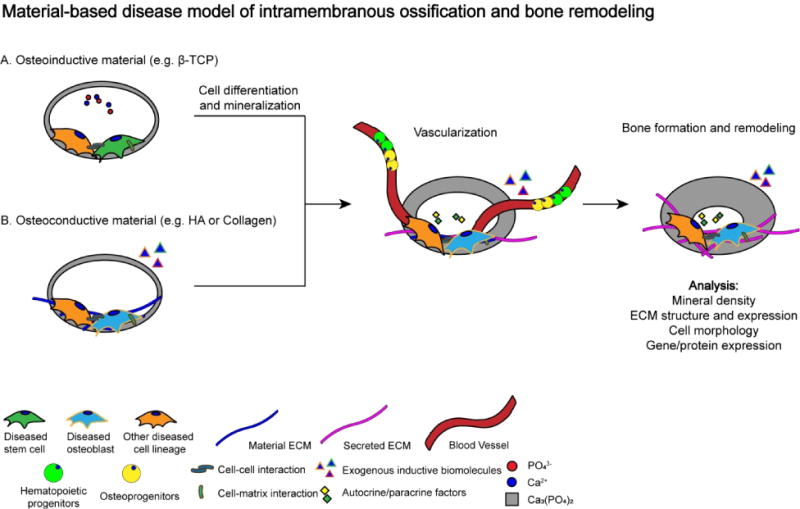
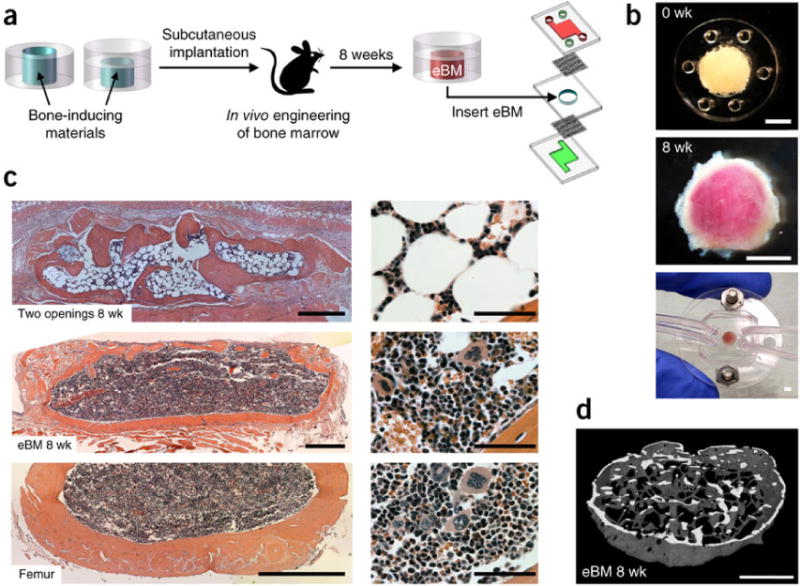
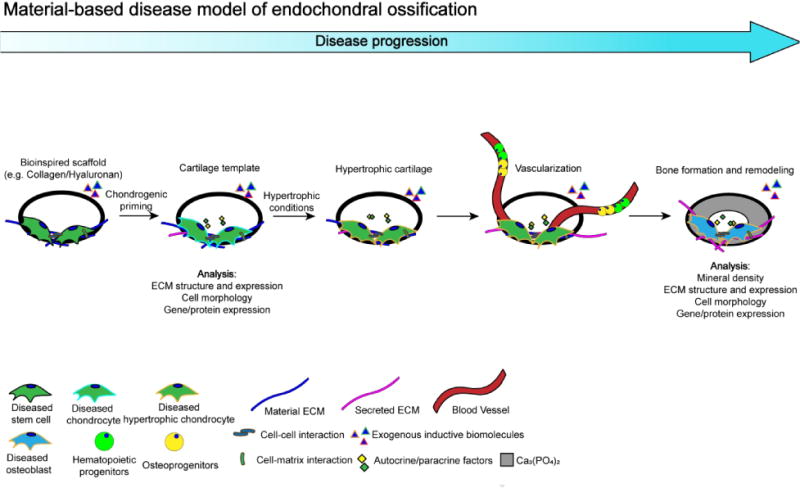
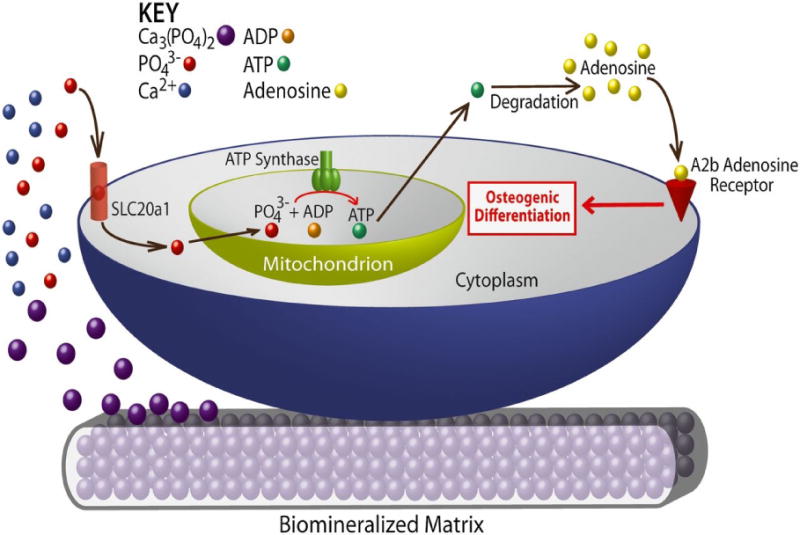
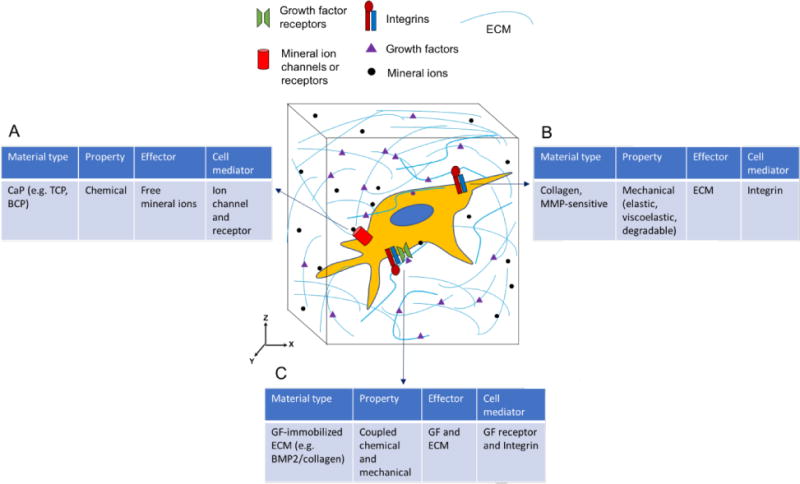
Recent advances in materials development and tissue engineering has resulted in a substantial number of bioinspired materials that recapitulate cardinal features of bone extracellular matrix (ECM) such as dynamic inorganic and organic environment(s), hierarchical organization, and topographical features. Bone mimicking materials, as defined by its self-explanatory term, are developed based on the current understandings of the natural bone ECM during development, remodeling, and fracture repair. Compared to conventional plastic cultures, biomaterials that resemble some aspects of the native environment could elicit a more natural molecular and cellular response relevant to the bone tissue. Although current bioinspired materials are mainly developed to assist tissue repair or engineer bone tissues, such materials could nevertheless be applied to model various skeletal diseases in vitro. This review summarizes the use of bioinspired materials for bone tissue engineering, and their potential to model diseases of bone development and remodeling ex vivo. We largely focus on biomaterials, designed to re-create different aspects of the chemical and physical cues of native bone ECM. Employing these bone-inspired materials and tissue engineered bone surrogates to study bone diseases has tremendous potential and will provide a closer portrayal of disease progression and maintenance, both at the cellular and tissue level. We also briefly touch upon the application of patient-derived stem cells and introduce emerging technologies such as organ-on-chip in disease modeling. Faithful recapitulation of disease pathologies will not only offer novel insights into diseases, but also lead to enabling technologies for drug discovery and new approaches for cell-based therapies.
近年来,材料开发和组织工程学的进展带来了大量仿生材料,这些材料再现了骨细胞外基质 (ECM) 的主要特征,如动态无机和有机环境、层次结构和形貌特征。仿生材料是根据其自身的定义开发的,其基础是目前对自然骨 ECM 在发育、重塑和骨折修复过程中的理解。与传统的塑料培养相比,仿生材料在一定程度上模仿了天然环境的某些方面,可以引发更自然的分子和细胞反应,与骨组织相关。虽然目前的仿生材料主要是为了辅助组织修复或构建骨组织而开发的,但这些材料仍然可以应用于体外模拟各种骨骼疾病。本综述总结了仿生材料在骨组织工程中的应用,以及它们在体外模拟骨发育和重塑疾病的潜力。我们主要关注的是设计用来再现天然骨 ECM 的化学和物理线索的不同方面的生物材料。利用这些仿生材料和组织工程化的骨替代物来研究骨疾病具有巨大的潜力,并将在细胞和组织水平上更接近地描述疾病的进展和维持。我们还简要介绍了患者来源的干细胞的应用,并介绍了器官芯片等新兴技术在疾病建模中的应用。对疾病病理的忠实再现不仅将为疾病提供新的见解,还将为药物发现和基于细胞的治疗方法提供新的技术。