College of Life and Environmental Sciences, Minzu University of China, Beijing, 100081, China.
Saving Knowledge, Casilla, 13092, La Paz, Bolivia.
J Ethnobiol Ethnomed. 2018 Jun 15;14(1):42. doi: 10.1186/s13002-018-0239-2.
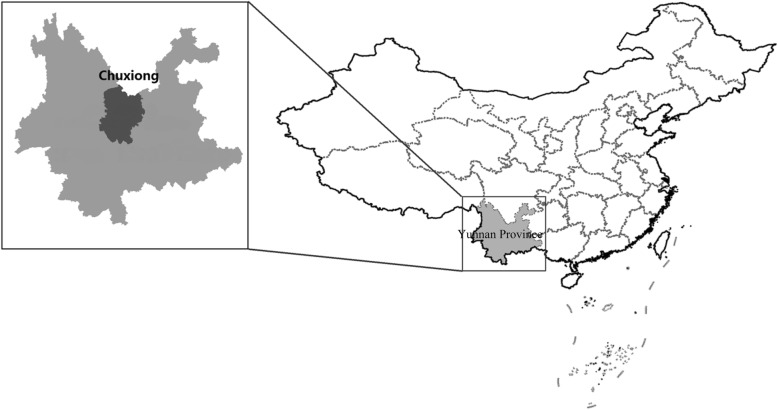
Chuxiong, known as "the City of Fungi," is rich in fungal resources and traditional knowledge related to fungal biodiversity. The local environment is an excellent habitat for a wide variety of edible fungi. In addition, the region is home to many ethnic minorities and especially the Yi ethnic group who has a long history for traditionally using fungi as food or medicine. The aims of this review are to provide up-to-date information on the knowledge about, and traditional management of, fungi in this area and give advice on future utilization and conservation.
Field surveys and in-depth semi-structured interviews were used to gather data. Ethnomycological data was collected from 67 informants in the summer of 2015.
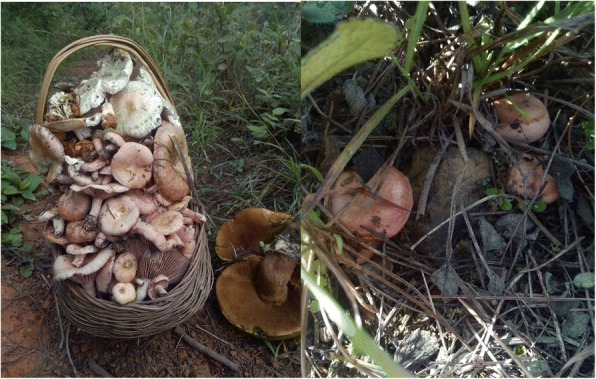
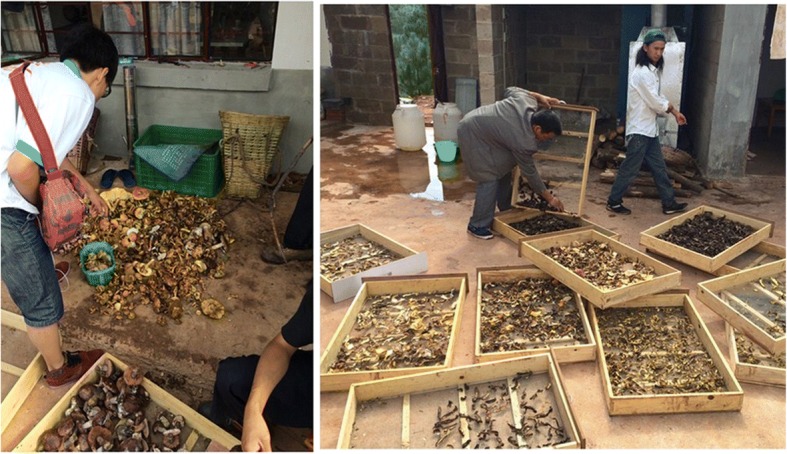
Twenty-two edible fungal species were recorded both as food or non-timber forest products (NTFPs), used to increase income, and the importance of this resource for the Yi ethnic group was evaluated.
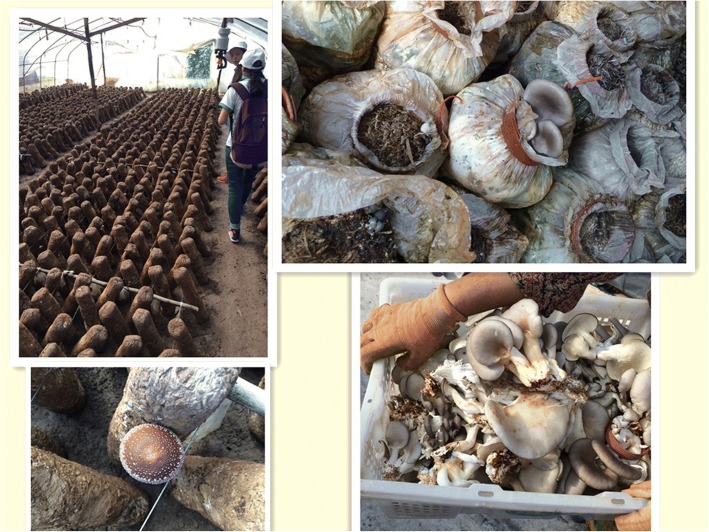
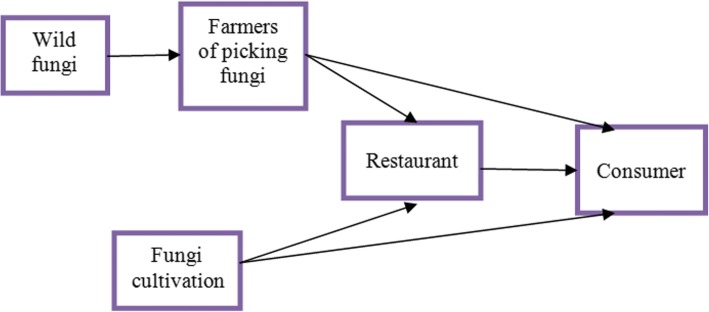
Abundant and diverse wild genetic resources and a large production chain of edible fungi were recorded in Chuxiong. However, because of over-harvesting, the wild edible fungi are facing increasing threats. Suggestions are proposed to allow sustainable use of fungi resources, including (1) promotion of diversification of transportation, (2) development of fungi cultivation to improve quality and supply and reduce harvest pressure, (3) improvement of public awareness for environmental protection and sustainable development, and (4) promotion of eco-tourism and development of fungi catering in rural agro- and slow-food tourism.
楚雄素有“真菌之都”的美誉,拥有丰富的真菌资源和与真菌生物多样性相关的传统知识。当地的环境是各种食用真菌的绝佳栖息地。此外,该地区还居住着许多少数民族,尤其是彝族,他们有着悠久的食用真菌的传统,将其作为食物或药物。本综述的目的是提供有关该地区真菌的知识和传统管理的最新信息,并就未来的利用和保护提出建议。
采用实地调查和深入的半结构式访谈收集数据。2015 年夏季,从 67 位知情者那里收集了民族真菌学数据。
记录了 22 种食用真菌,它们既是食物,也是非木材林产品(NTFPs),用于增加收入,并评估了这种资源对彝族的重要性。
楚雄记录了丰富多样的野生遗传资源和庞大的食用真菌生产链。然而,由于过度采集,野生食用真菌正面临越来越多的威胁。为了实现真菌资源的可持续利用,提出了以下建议:(1)推广多样化的运输方式;(2)发展真菌栽培,以提高质量和供应,减轻收获压力;(3)提高公众的环保和可持续发展意识;(4)推广生态旅游,发展农村农业和慢食旅游中的真菌餐饮。