College of Forestry, Northwest A&F University, 712100 Yangling, People's Republic of China.
J Ethnobiol Ethnomed. 2013 Apr 15;9:26. doi: 10.1186/1746-4269-9-26.
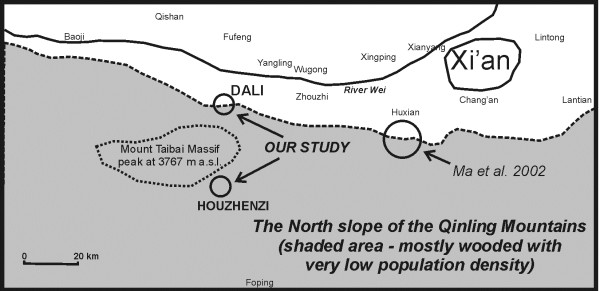
The aim of the study was to investigate knowledge and use of wild food plants in two mountain valleys separated by Mount Taibai--the highest peak of northern China and one of its biodiversity hotspots, each adjacent to species-rich temperate forest vegetation.
Seventy two free lists were collected among the inhabitants of two mountain valleys (36 in each). All the studied households are within walking distance of primary forest vegetation, however the valleys differed in access to urban centers: Houzhenzi is very isolated, and the Dali valley has easier access to the cities of central Shaanxi.
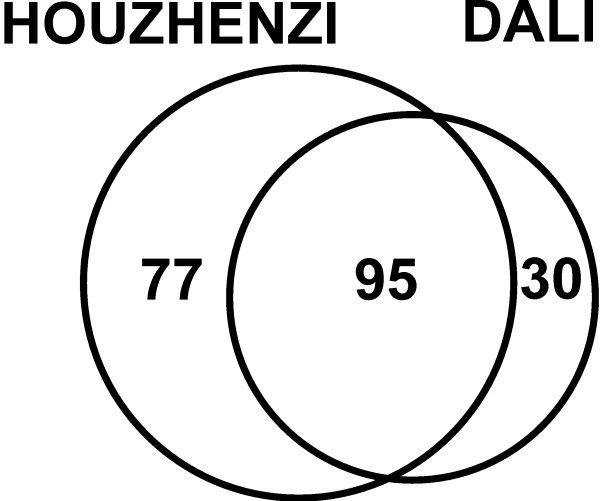
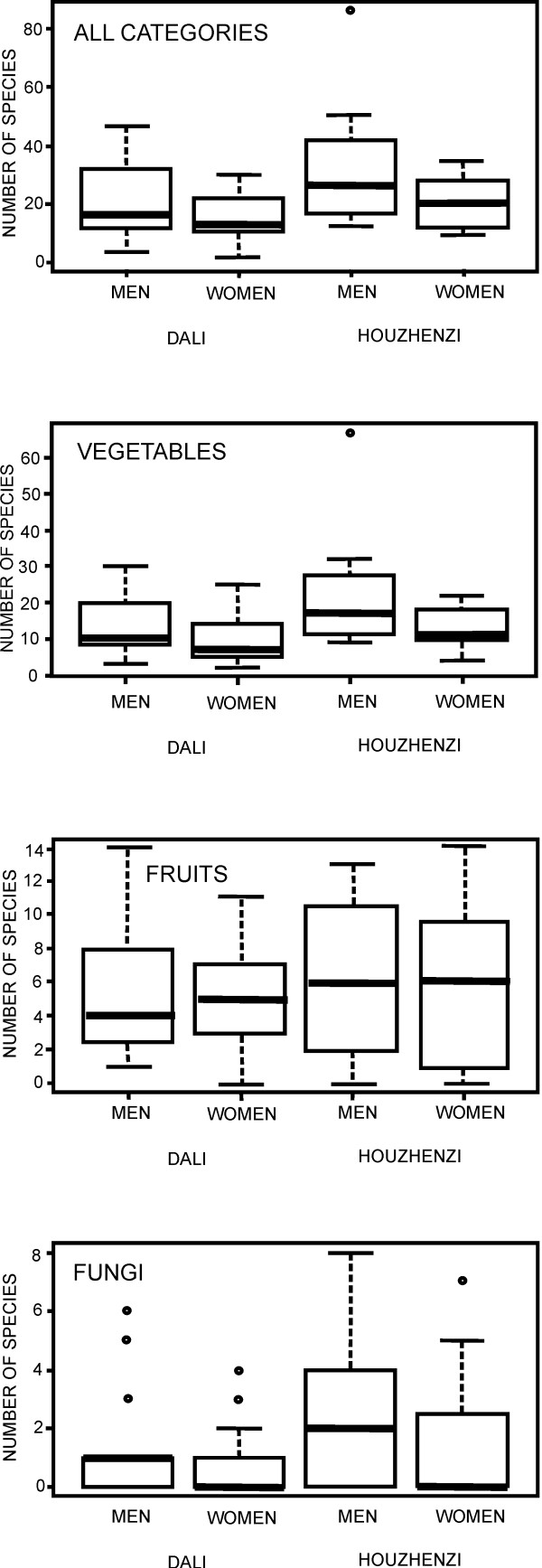
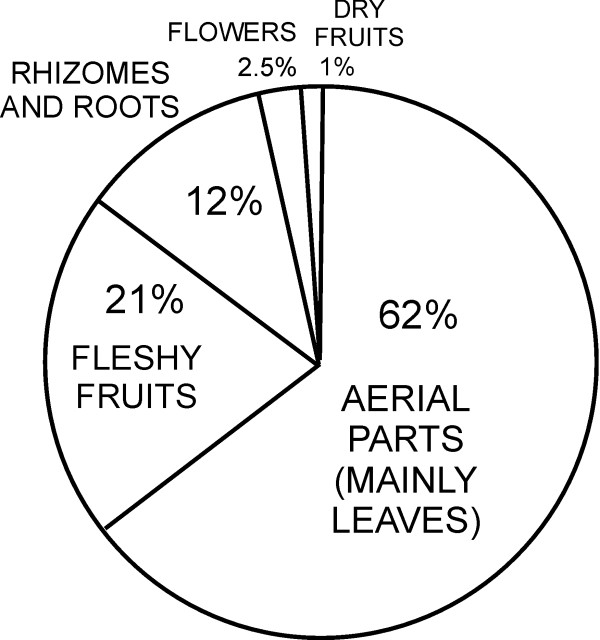
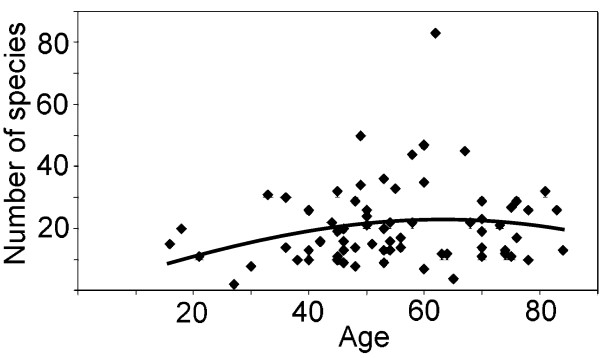
Altogether, 185 wild food plant species and 17 fungi folk taxa were mentioned. The mean number of freelisted wild foods was very high in Houzhenzi (mean 25) and slightly lower in Dali (mean 18). An average respondent listed many species of wild vegetables, a few wild fruits and very few fungi. Age and male gender had a positive but very low effect on the number of taxa listed.Twelve taxa of wild vegetables (Allium spp., Amaranthus spp., Caryopteris divaricata, Helwingia japonica, Matteucia struthiopteris, Pteridium aquilinum, Toona sinensis, Cardamine macrophylla, Celastrus orbiculatus, Chenopodium album, Pimpinella sp., Staphylea bumalda &S. holocarpa), two species of edible fruits (Akebia trifoliata, Schisandra sphenanthera) and none of the mushrooms were freelisted by at least half of the respondents in one or two of the valleys.
The high number of wild vegetables listed is due to the high cultural position of this type of food in China compared to other parts of the world, as well as the high biodiversity of the village surroundings. A very high proportion of woodland species (42%, double the number of the ruderal species used) among the listed taxa is contrary to the general stereotype that wild vegetables in Asia are mainly ruderal species. The very low interest in wild mushroom collecting is noteworthy and is difficult to explain. It may arise from the easy access to the cultivated Auricularia and Lentinula mushrooms and very steep terrain, making foraging for fungi difficult.
本研究的目的是调查在中国北方最高峰太白山脉两侧的两个山谷中,居民对野生食用植物的认知和利用情况。这两个山谷都毗邻物种丰富的温带森林植被,其中一个山谷(厚珍子)与城市中心隔绝,而另一个山谷(大理)则更便于到达中心城市。
在这两个山谷中(每个山谷 36 户)共收集了 72 份自由列表。所有研究的家庭都在原生森林植被的步行范围内,但山谷与城市中心的可达性不同:厚珍子非常偏远,而大理则更容易到达陕西中部的城市。
总共提到了 185 种野生食用植物物种和 17 种真菌民间分类群。厚珍子的自由列表中平均野生食物种类非常多(平均 25 种),而大理的则略低(平均 18 种)。平均每个受访者列出了许多种野生蔬菜、少数几种野生水果和很少几种真菌。年龄和男性性别对列出的分类群数量有积极影响,但影响很小。12 种野生蔬菜(Allium spp.、Amaranthus spp.、Caryopteris divaricata、Helwingia japonica、Matteucia struthiopteris、Pteridium aquilinum、Toona sinensis、Cardamine macrophylla、Celastrus orbiculatus、Chenopodium album、Pimpinella sp.、Staphylea bumalda & S. holocarpa)、两种可食用水果(Akebia trifoliata、Schisandra sphenanthera)和蘑菇都没有被至少一半的受访者在一个或两个山谷中自由列出。
列出的野生蔬菜数量较多,是由于与世界其他地区相比,中国文化对这种食物的重视程度较高,以及村庄周围的生物多样性较高。在列出的分类群中,林地物种(42%,是杂草物种的两倍)的比例非常高,这与亚洲野生蔬菜主要是杂草物种的普遍观点相反。对野生蘑菇采集的兴趣非常低,这很难解释。这可能是由于容易获得栽培的黑木耳和香菇,以及陡峭的地形使得采集蘑菇变得困难。