Rothamsted Research, Harpenden, United Kingdom.
Centro Regional de Investigaciones Multidisciplinarias, UNAM, Cuernavaca, Mexico.
PLoS One. 2018 Jun 18;13(6):e0199099. doi: 10.1371/journal.pone.0199099. eCollection 2018.
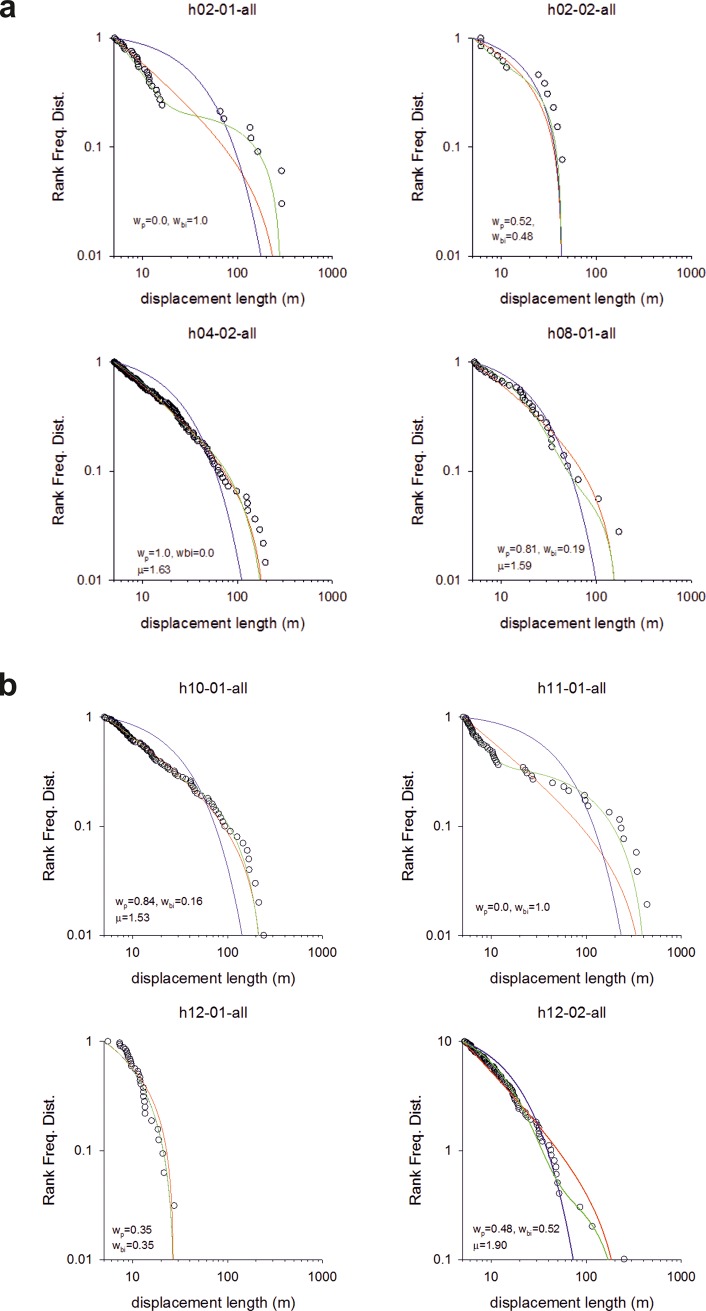
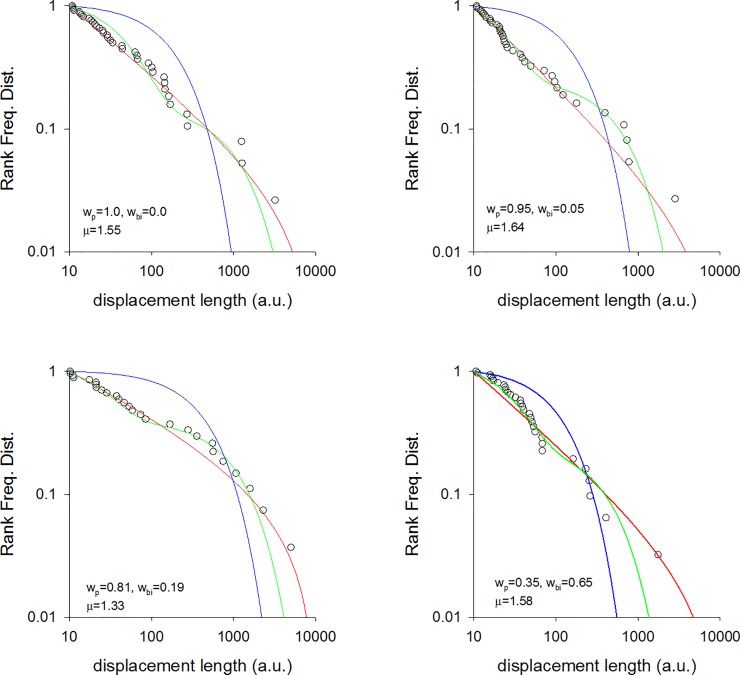
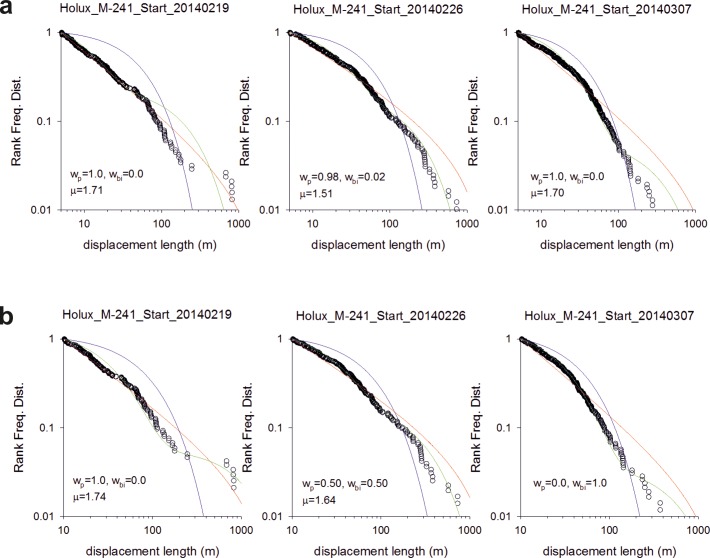
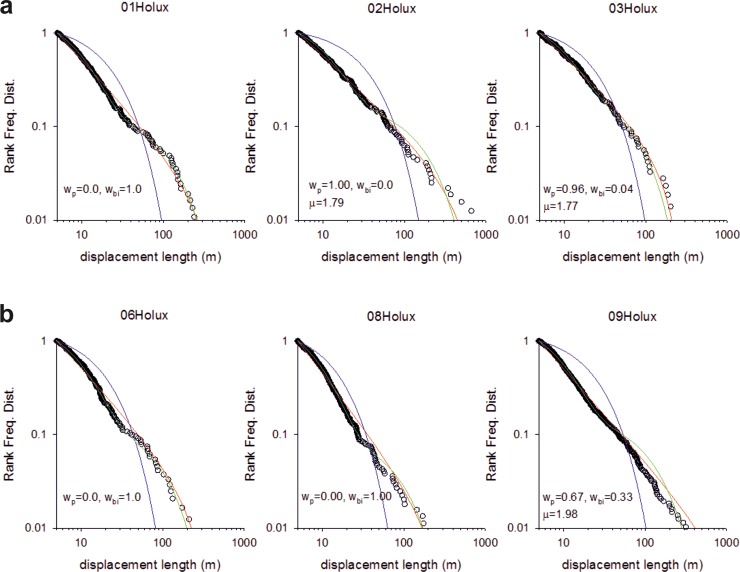
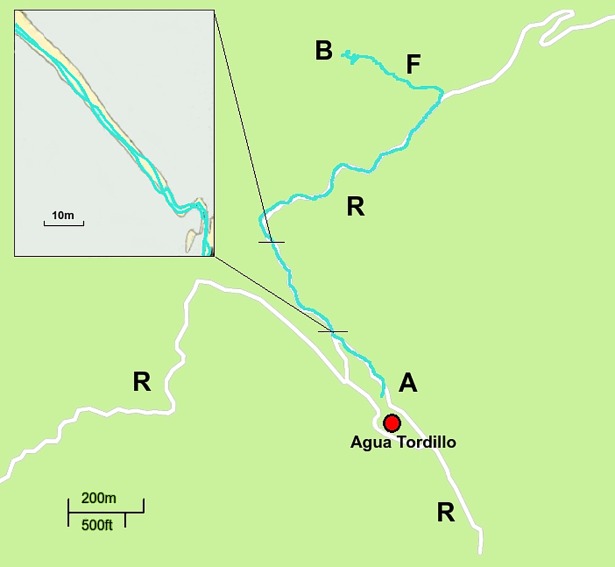
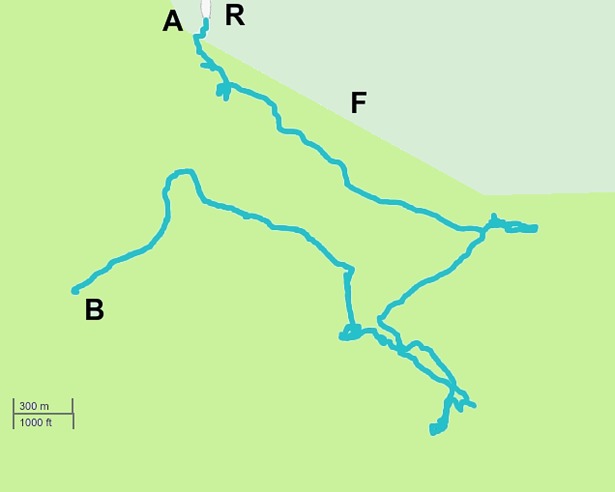
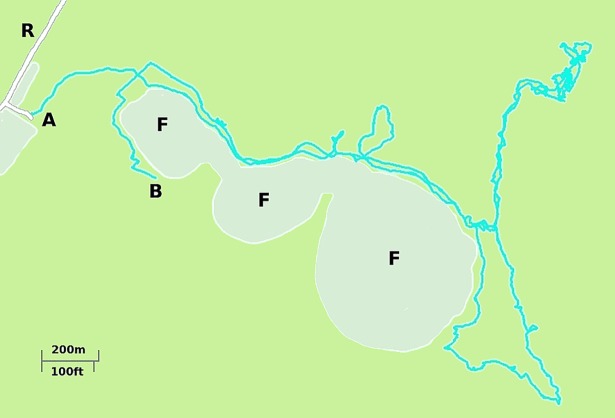
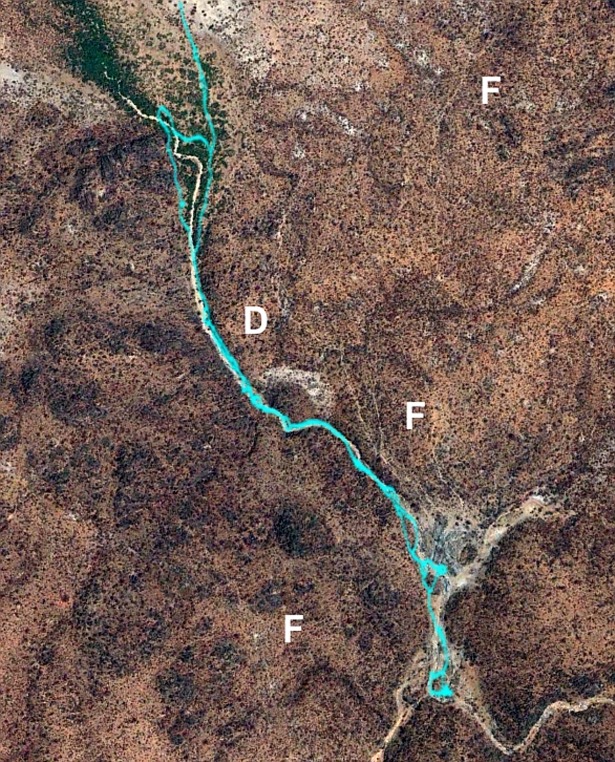
Movement patterns resembling Lévy walks, often attributed to the execution of an advantageous probabilistic searching strategy, are found in a wide variety of organisms, from cells to human hunter-gatherers. It has been suggested that such movement patterns may be fundamental to how humans interact and experience the world and that they may have arisen early in our genus with the evolution of a hunting and gathering lifestyle. Here we show that Lévy walks are evident in the Me'Phaa of Mexico, in Brazilian Cariri farmers and in Amazonian farmers when gathering firewood, wild fruit and nuts. Around 50% of the search patterns resemble Lévy walks and these are characterized by Lévy exponents close to 1.7. The other search patterns more closely resemble bi-phasic walks. We suggest potential generative mechanisms for the occurrence of these ubiquitous Lévy walks which can be used to guide future studies on human mobility. We show that frequent excursions and meanderings from pre-existing trails can account for our observations.
运动模式类似于 Lévy 漫步,通常归因于执行有利的概率搜索策略,在从细胞到人类狩猎采集者的各种生物体中都有发现。有人认为,这种运动模式可能是人类如何与世界互动和体验的基础,并且它们可能在我们的狩猎和采集生活方式进化早期就出现了。在这里,我们表明 Lévy 漫步在墨西哥的 Me'Phaa、巴西的 Cariri 农民和亚马逊农民在收集柴火、野生水果和坚果时是明显的。大约 50%的搜索模式类似于 Lévy 漫步,这些模式的 Lévy 指数接近 1.7。其他搜索模式更类似于双相漫步。我们为这些普遍存在的 Lévy 漫步的发生提出了潜在的生成机制,这些机制可以用来指导未来关于人类流动性的研究。我们表明,从预先存在的小径上频繁的离轨和蜿蜒可以解释我们的观察结果。