Guangzhou Institute of Pediatrics, Guangzhou Women and Children's Medical Center, Guangzhou Medical University, Guangzhou, China.
Walter and Eliza Hall Institute of Medical Research, Parkville, VIC, Australia.
Front Immunol. 2018 Apr 25;9:879. doi: 10.3389/fimmu.2018.00879. eCollection 2018.
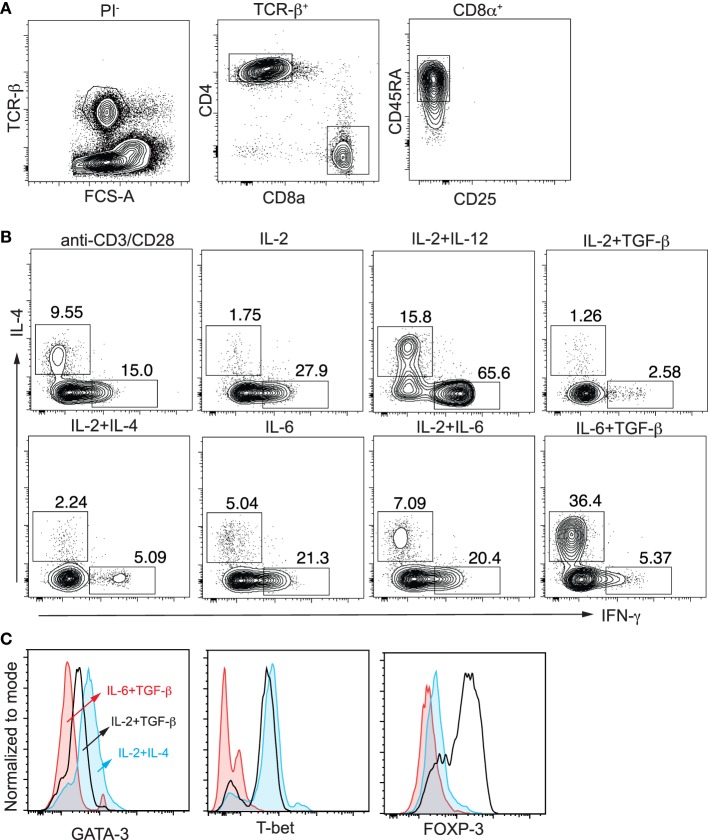
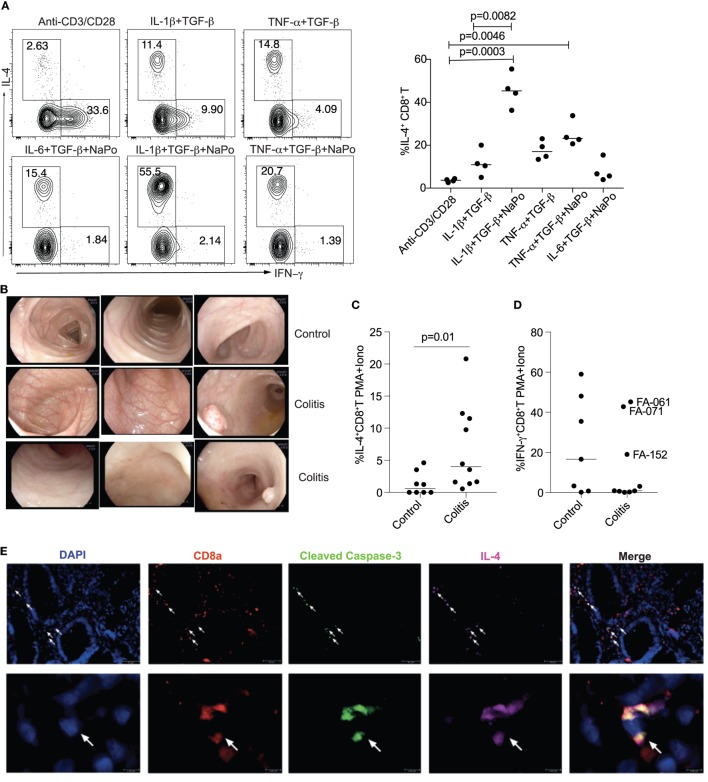
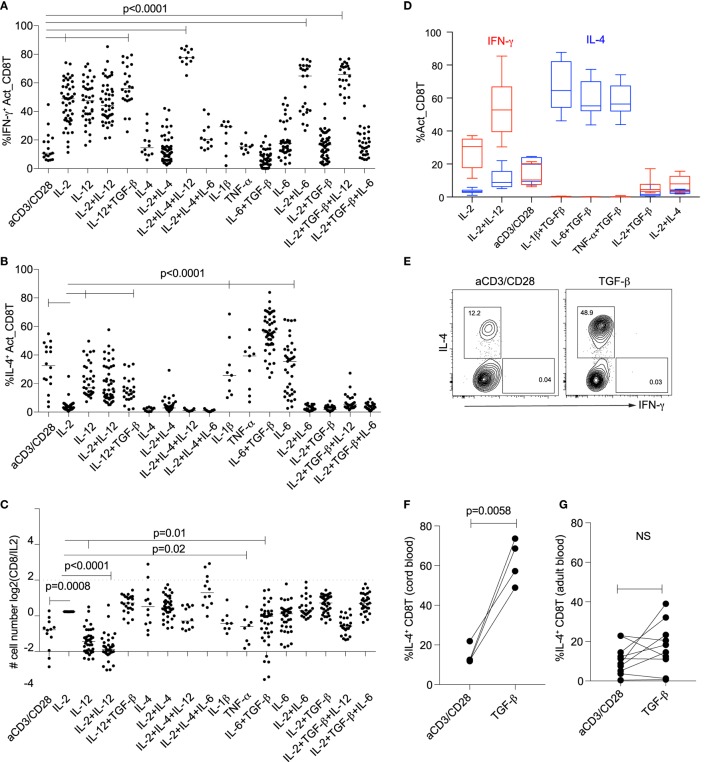
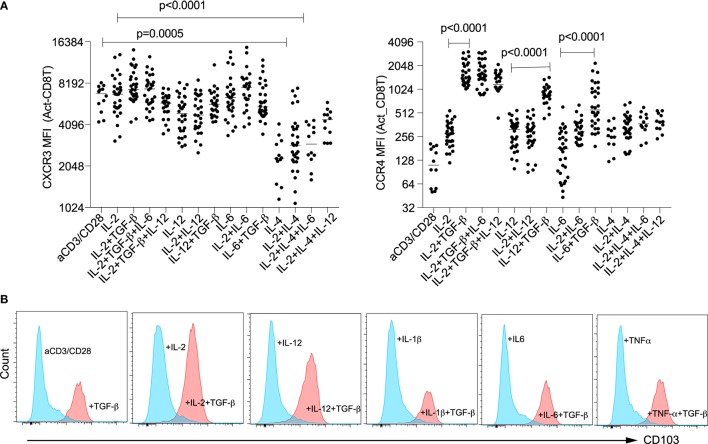
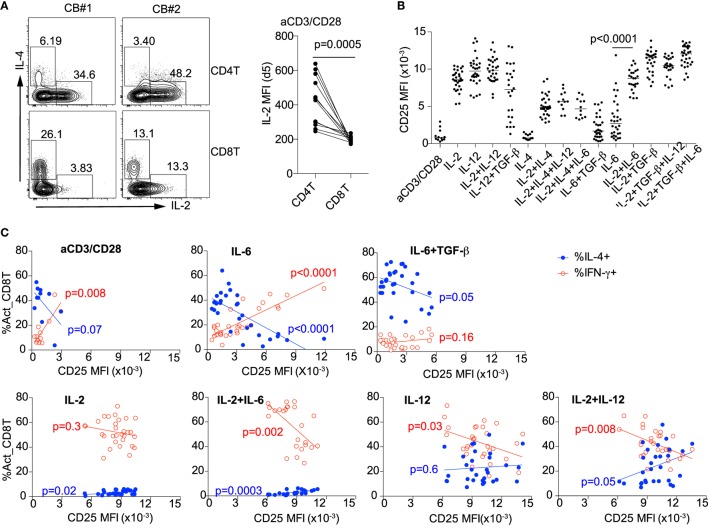
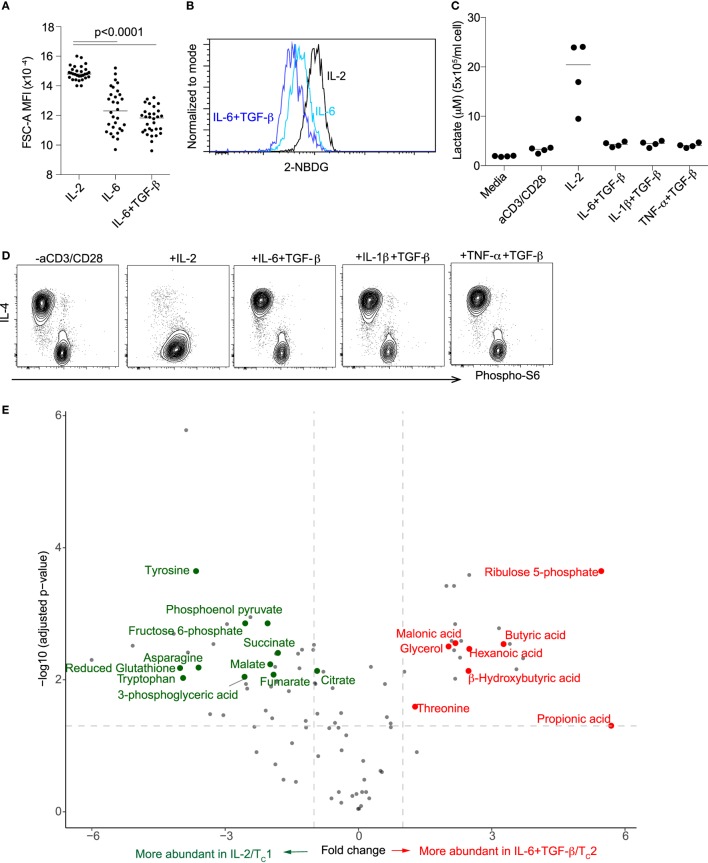
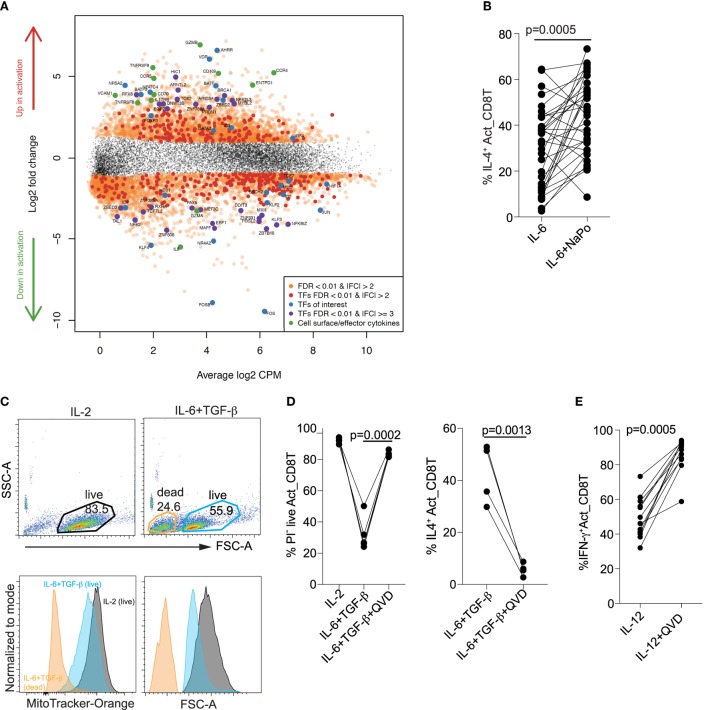
How T cells differentiate in the neonate may critically determine the ability of the infant to cope with infections, respond to vaccines and avert allergies. Previously, we found that naïve cord blood CD4 T cells differentiated toward an IL-4-expressing phenotype when activated in the presence of TGF-β and monocyte-derived inflammatory cytokines, the latter are more highly secreted by infants who developed food allergy. Here, we show that in the absence of IL-2 or IL-12, naïve cord blood CD8 T cells have a natural propensity to differentiate into IL-4-producing non-classic T2 cells when they are activated alone, or in the presence of TGF-β and/or inflammatory cytokines. Mechanistically, non-classic T2 development is associated with decreased expression of IL-2 receptor alpha (CD25) and glycolysis, and increased fatty acid metabolism and caspase-dependent cell death. Consequently, the short chain fatty acid, sodium propionate (NaPo), enhanced IL-4 expression, but exogenous IL-2 or pan-caspase inhibition prevented IL-4 expression. In children with endoscopically and histologically confirmed non-inflammatory bowel disease and non-infectious pediatric idiopathic colitis, the presence of TGF-β, NaPo, and IL-1β or TNF-α promoted T2 differentiation . , colonic mucosa of children with colitis had significantly increased expression of IL-4 in CD8 T cells compared with controls. In addition, activated caspase-3 and IL-4 were co-expressed in CD8 T cells in the colonic mucosa of children with colitis. Thus, in the context of colonic inflammation and limited IL-2 signaling, CD8 T cells differentiate into non-classic T2 that may contribute to the pathology of inflammatory/allergic diseases in children.
新生儿体内 T 细胞的分化方式可能会极大地影响婴儿应对感染、对疫苗产生反应和避免过敏的能力。此前,我们发现,当幼稚的脐血 CD4 T 细胞在 TGF-β和单核细胞衍生的炎症细胞因子存在的情况下被激活时,会向表达 IL-4 的表型分化,而后者在发生食物过敏的婴儿中分泌得更高。在这里,我们表明,在没有 IL-2 或 IL-12 的情况下,幼稚的脐血 CD8 T 细胞在单独激活或在 TGF-β和/或炎症细胞因子存在的情况下,具有自然倾向于分化为产生 IL-4 的非经典 T2 细胞。从机制上讲,非经典 T2 细胞的发育与 IL-2 受体 alpha(CD25)和糖酵解表达降低以及脂肪酸代谢和 caspase 依赖性细胞死亡增加有关。因此,短链脂肪酸丙酸钠(NaPo)增强了 IL-4 的表达,但外源性 IL-2 或 pan-caspase 抑制阻止了 IL-4 的表达。在经内镜和组织学证实为非炎症性肠病和非感染性儿科特发性结肠炎的儿童中,TGF-β、NaPo 和 IL-1β 或 TNF-α 的存在促进了 T2 分化。与对照组相比,患有结肠炎的儿童结肠黏膜中 CD8 T 细胞中 IL-4 的表达显著增加。此外,在患有结肠炎的儿童的结肠黏膜中,活化的 caspase-3 和 IL-4 共同表达于 CD8 T 细胞中。因此,在结肠炎症和有限的 IL-2 信号传导的情况下,CD8 T 细胞分化为非经典 T2,这可能导致儿童炎症/过敏疾病的发病机制。