Institute for Immunological Research, University of Cartagena, Cartagena 130014, Colombia.
Institute of Tumor Immunology, Clinic for Hematology, Oncology and Immunology, Center for Tumor Biology and Immunology, Philipps University Marburg, 35043 Marburg, Germany.
Nutrients. 2021 Feb 25;13(3):724. doi: 10.3390/nu13030724.
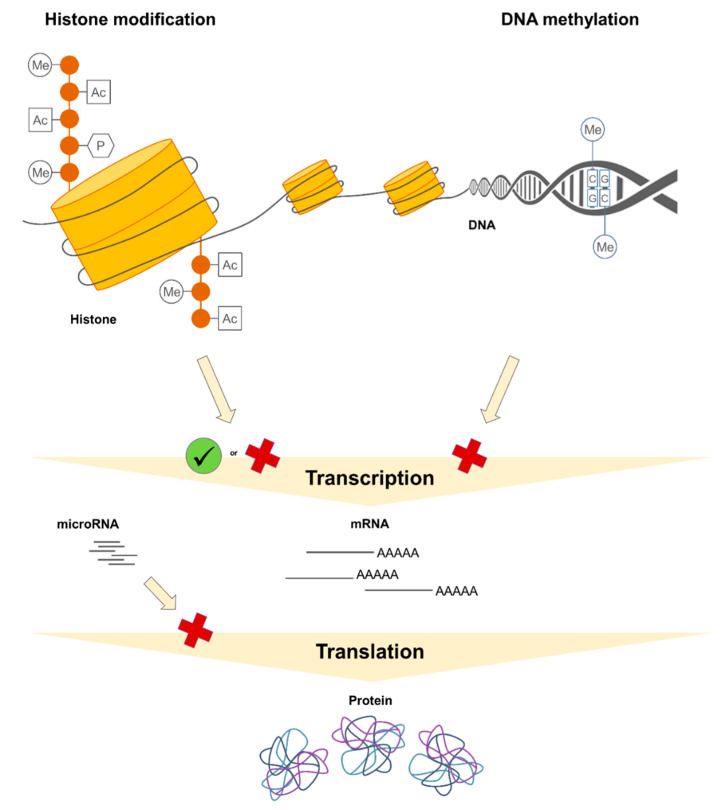
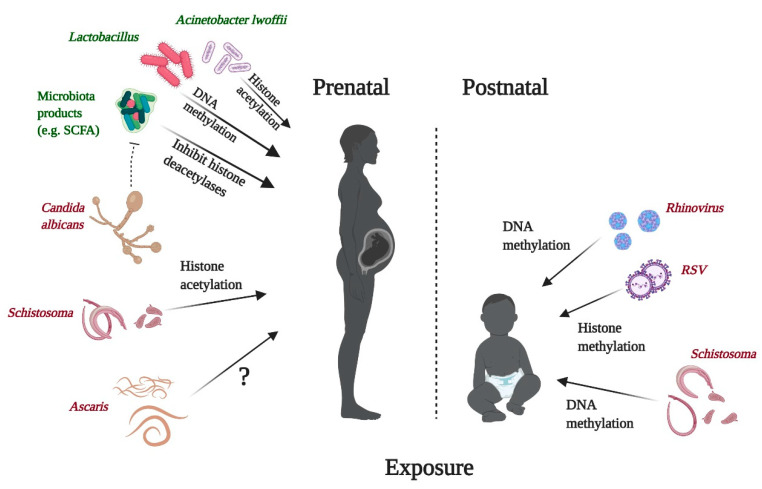
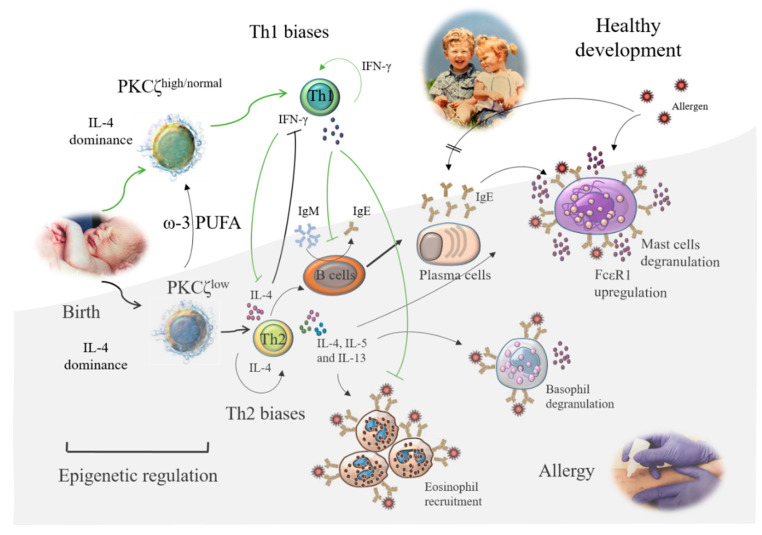
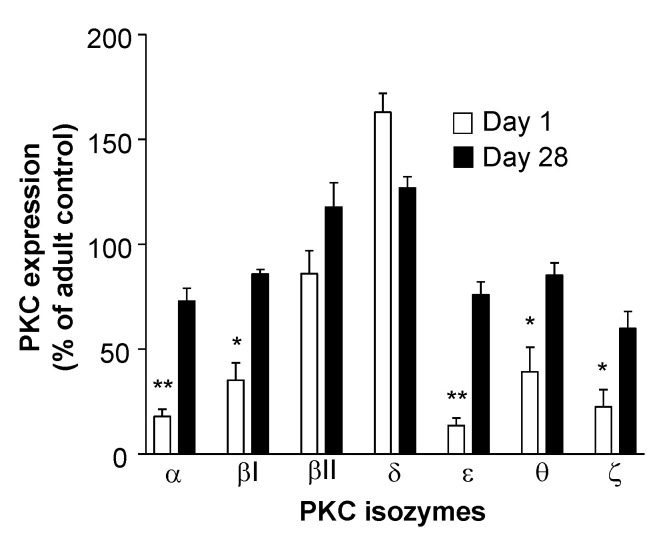
Epidemiological studies have shown a dramatic increase in the incidence and the prevalence of allergic diseases over the last several decades. Environmental triggers including risk factors (e.g., pollution), the loss of rural living conditions (e.g., farming conditions), and nutritional status (e.g., maternal, breastfeeding) are considered major contributors to this increase. The influences of these environmental factors are thought to be mediated by epigenetic mechanisms which are heritable, reversible, and biologically relevant biochemical modifications of the chromatin carrying the genetic information without changing the nucleotide sequence of the genome. An important feature characterizing epigenetically-mediated processes is the existence of a time frame where the induced effects are the strongest and therefore most crucial. This period between conception, pregnancy, and the first years of life (e.g., first 1000 days) is considered the optimal time for environmental factors, such as nutrition, to exert their beneficial epigenetic effects. In the current review, we discussed the impact of the exposure to bacteria, viruses, parasites, fungal components, microbiome metabolites, and specific nutritional components (e.g., polyunsaturated fatty acids (PUFA), vitamins, plant- and animal-derived microRNAs, breast milk) on the epigenetic patterns related to allergic manifestations. We gave insight into the epigenetic signature of bioactive milk components and the effects of specific nutrition on neonatal T cell development. Several lines of evidence suggest that atypical metabolic reprogramming induced by extrinsic factors such as allergens, viruses, pollutants, diet, or microbiome might drive cellular metabolic dysfunctions and defective immune responses in allergic disease. Therefore, we described the current knowledge on the relationship between immunometabolism and allergy mediated by epigenetic mechanisms. The knowledge as presented will give insight into epigenetic changes and the potential of maternal and post-natal nutrition on the development of allergic disease.
流行病学研究表明,在过去几十年中,过敏疾病的发病率和患病率显著增加。环境触发因素包括风险因素(例如污染)、农村生活条件的丧失(例如农业条件)和营养状况(例如母婴、母乳喂养)被认为是导致这种增加的主要因素。这些环境因素的影响被认为是通过表观遗传机制介导的,这些机制是可遗传的、可逆的和具有生物学相关性的,它们对携带遗传信息的染色质进行生化修饰,而不改变基因组的核苷酸序列。表观遗传介导过程的一个重要特征是存在一个时间框架,在这个时间框架内,诱导效应最强,因此也最重要。从受孕、怀孕到生命的头几年(例如最初的 1000 天)这段时间被认为是营养等环境因素发挥有益的表观遗传效应的最佳时间。在当前的综述中,我们讨论了暴露于细菌、病毒、寄生虫、真菌成分、微生物组代谢物和特定营养成分(例如多不饱和脂肪酸 (PUFA)、维生素、植物和动物源性 microRNAs、母乳)对与过敏表现相关的表观遗传模式的影响。我们深入了解了生物活性牛奶成分的表观遗传特征以及特定营养对新生儿 T 细胞发育的影响。有几条证据表明,过敏原、病毒、污染物、饮食或微生物组等外在因素引起的典型代谢重编程可能导致过敏疾病中的细胞代谢功能障碍和免疫反应缺陷。因此,我们描述了免疫代谢与表观遗传机制介导的过敏之间的关系的最新知识。所呈现的知识将深入了解表观遗传变化以及母婴和产后营养对过敏疾病发展的潜力。