Shrestha Bandana, Prasai Priya K, Kaskas Amir M, Khanna Ankur, Letchuman Vijay, Letchuman Sunjay, Alexander Jonathan Steven, Orr A Wayne, Woolard Matthew D, Pattillo Christopher B
Department of Molecular and Cellular Physiology, Louisiana State University Health Sciences Center, Shreveport, Louisiana.
Department of Pathology and Translational Pathobiology, Louisiana State University Health Sciences Center, Shreveport, Louisiana.
Microcirculation. 2018 Oct;25(7):e12486. doi: 10.1111/micc.12486. Epub 2018 Jul 23.
Oxidative stress is a central event linked with endothelial dysfunction and inflammation in several vascular pathologies, marked by over-production of ROS and concomitant decreases in antioxidants, for example GSH. Here, we distinguish endothelial oxidative stress regulation and associated functional disparities in the two main vascular conduits, (arteries and veins) following decreases in GSH.
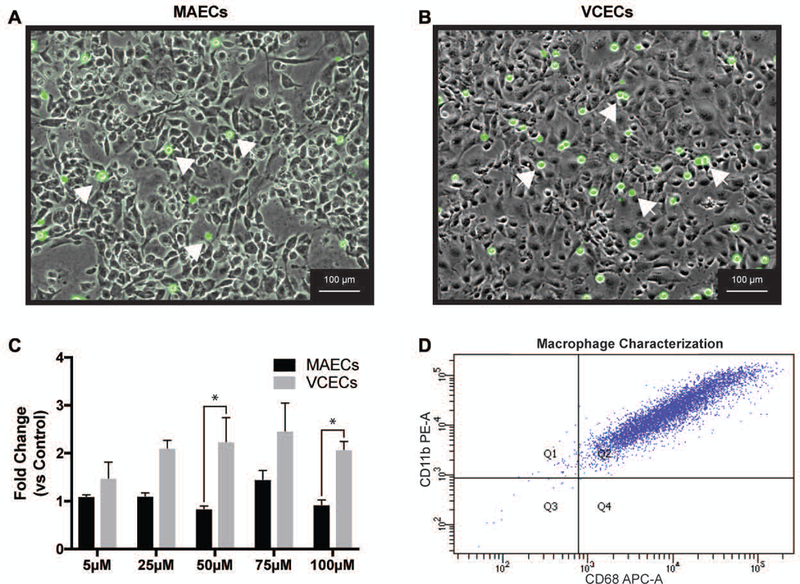
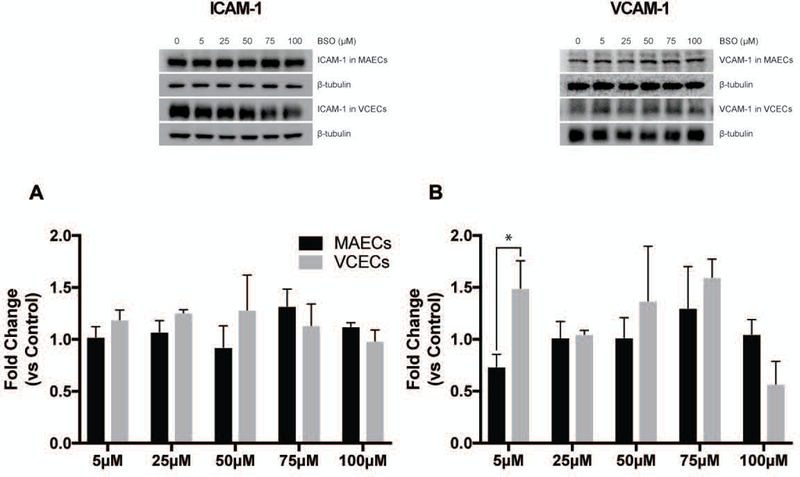
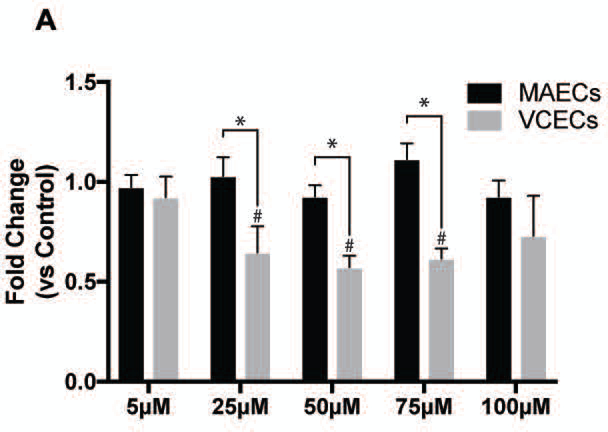
MAECs and VCECs were used as models of arterial and venular endothelium, respectively, and BSO (0-100 μmol/L) was used to indirectly increase cellular oxidative stress. Inflammatory responses were measured using immune cell attachment and immunoblotting for endothelial cell adhesion molecule (ICAM-1, VCAM-1) expression, altered cell proliferation, and wound healing.
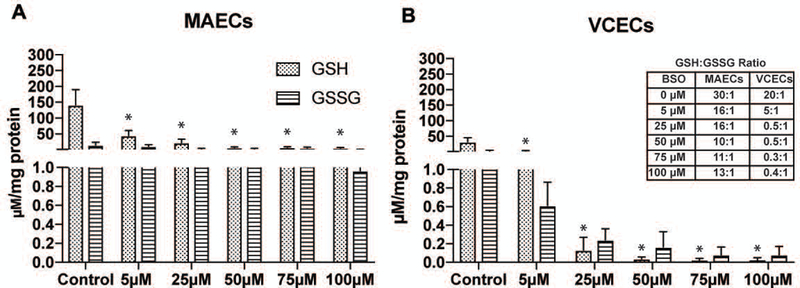
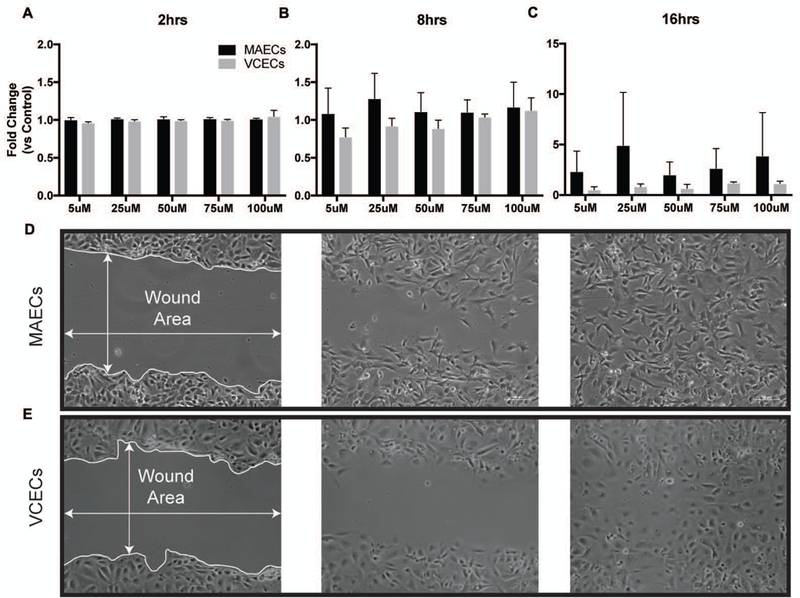
MAECs and VCECs exhibited differential responses to oxidative stress produced by GSH depletion with VCECs exhibiting greater sensitivity to oxidative stress. Compared to MAECs, VCECs showed a significantly increased inflammatory profile and a decreased proliferative phenotype in response to decreases in GSH levels.
Arterial and venous endothelial cells exhibit differential responses to oxidant stress, and decreases in GSH:GSSG are more exacerbated in venous endothelial cells. Specific pathogenesis in these vascular conduits, with respect to oxidant stress handling, warrants further study, especially considering surgical interventions such as Coronary artery bypass grafting that use both interchangeably.
氧化应激是多种血管病变中与内皮功能障碍和炎症相关的核心事件,其特征是活性氧(ROS)过度产生以及抗氧化剂(如谷胱甘肽(GSH))随之减少。在此,我们区分了在GSH减少后,两种主要血管管道(动脉和静脉)中的内皮氧化应激调节及相关功能差异。
分别使用人主动脉内皮细胞(MAECs)和人静脉内皮细胞(VCECs)作为动脉和静脉内皮的模型,并用丁硫氨酸亚砜胺(BSO,0 - 100 μmol/L)间接增加细胞氧化应激。通过免疫细胞黏附以及对内皮细胞黏附分子(ICAM - 1、VCAM - 1)表达进行免疫印迹、检测细胞增殖改变和伤口愈合情况来测量炎症反应。
MAECs和VCECs对GSH耗竭产生的氧化应激表现出不同反应,VCECs对氧化应激更为敏感。与MAECs相比,VCECs在GSH水平降低时显示出炎症反应显著增加,增殖表型减少。
动脉和静脉内皮细胞对氧化应激表现出不同反应,且GSH:GSSG的降低在静脉内皮细胞中更为严重。在这些血管管道中,关于氧化应激处理的具体发病机制值得进一步研究,特别是考虑到冠状动脉搭桥术等手术干预会同时使用这两种血管。