Mouhamed Yara, Vishnyakov Andrey, Qorri Bessi, Sambi Manpreet, Frank Sm Signy, Nowierski Catherine, Lamba Anmol, Bhatti Umrao, Szewczuk Myron R
Graduate Diploma & Professional Master in Medical Sciences, School of Medicine, Queen's University, Kingston, ON, Canada.
Department of Biomedical and Molecular Sciences, Queen's University, Kingston, ON, Canada.
Drug Healthc Patient Saf. 2018 Jun 11;10:45-66. doi: 10.2147/DHPS.S158592. eCollection 2018.
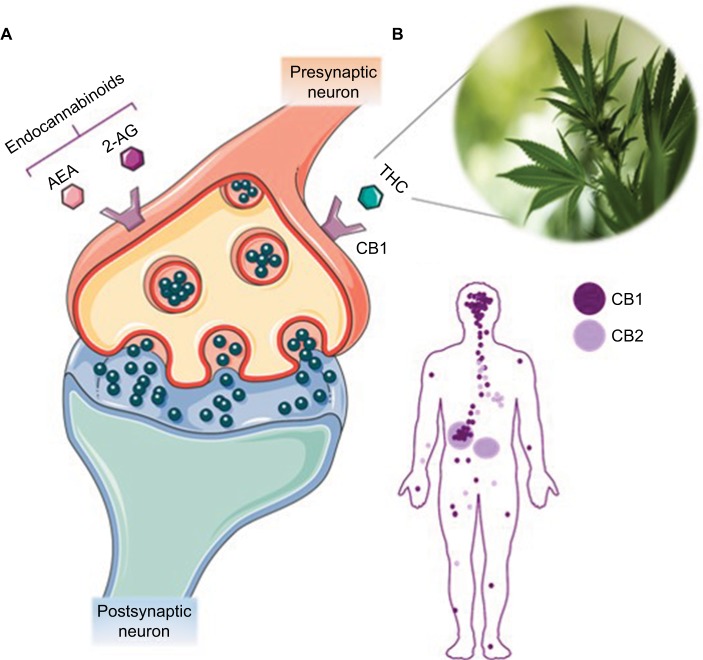
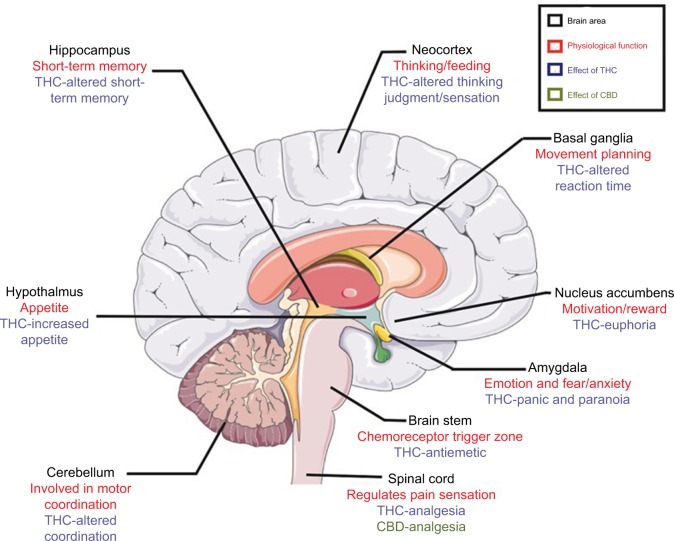
With the proposed Canadian July 2018 legalization of marijuana through the Cannabis Act, a thorough critical analysis of the current trials on the efficacy of medicinal marijuana (MM) as a treatment option is necessary. This review is particularly important for primary care physicians whose patients may be interested in using MM as an alternative therapy. In response to increased interest in MM, Health Canada released a document in 2013 for general practitioners (GPs) as an educational tool on the efficacy of MM in treating some chronic and acute conditions. Although additional studies have filled in some of the gaps since the release of the Health Canada document, conflicting and inconclusive results continue to pose a challenge for physicians. This review aims to supplement the Health Canada document by providing physicians with a critical yet concise update on the recent advancements made regarding the efficacy of MM as a potential therapeutic option. An update to the literature of 2013 is important given the upcoming changes in legislation on the use of marijuana. Also, we briefly highlight the current recommendations provided by Canadian medical colleges on the parameters that need to be considered prior to authorizing MM use, routes of administration as well as a general overview of the endocannabinoid system as it pertains to cannabis. Lastly, we outline the appropriate medical conditions for which the authorization of MM may present as a practical alternative option in improving patient outcomes as well as individual considerations of which GPs should be mindful. The purpose of this paper is to offer physicians an educational tool that provides a necessary, evidence-based analysis of the therapeutic potential of MM and to ensure physicians are making decisions on the therapeutic use of MM in good faith.
随着加拿大拟于2018年7月通过《大麻法案》将大麻合法化,有必要对目前关于药用大麻(MM)作为一种治疗选择的疗效试验进行全面的批判性分析。对于那些患者可能有兴趣将MM用作替代疗法的初级保健医生来说,这一综述尤为重要。鉴于对MM的兴趣增加,加拿大卫生部于2013年发布了一份文件,作为面向全科医生(GPs)的关于MM治疗某些慢性和急性病症疗效的教育工具。尽管自加拿大卫生部文件发布以来,更多研究填补了一些空白,但相互矛盾和尚无定论的结果仍给医生带来挑战。本综述旨在通过向医生提供关于MM作为一种潜在治疗选择疗效的近期进展的批判性但简洁的更新内容,来补充加拿大卫生部的文件。鉴于即将到来的大麻使用立法变化,对2013年文献进行更新很重要。此外,我们简要强调了加拿大医学院目前就授权使用MM之前需要考虑的参数、给药途径以及与大麻相关的内源性大麻素系统的总体概述所提供的建议。最后,我们概述了MM授权可能作为改善患者预后的实际替代选择的适当医疗状况,以及全科医生应注意的个人考虑因素。本文的目的是为医生提供一种教育工具,对MM的治疗潜力进行必要的、基于证据的分析,并确保医生在善意地就MM的治疗用途做出决策。