Department of Clinical Chemistry and Laboratory Medicine, Graduate School of Medical Sciences, Kyushu University, 3-1-1 Maidashi, Higashi-ku, Fukuoka, Japan.
J Biochem. 2018 Sep 1;164(3):183-193. doi: 10.1093/jb/mvy058.
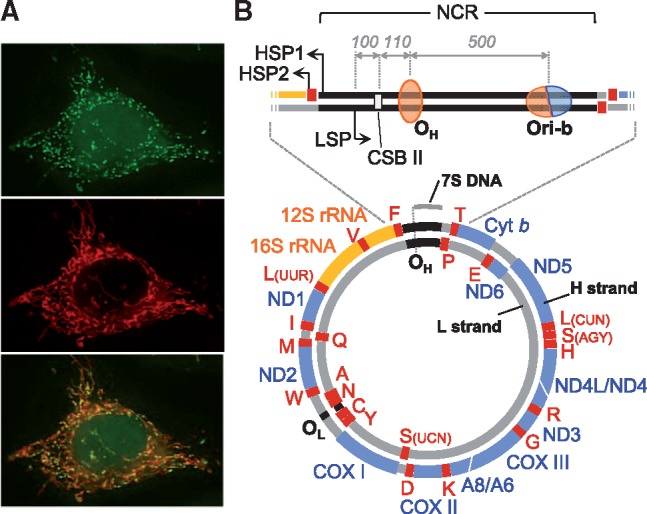
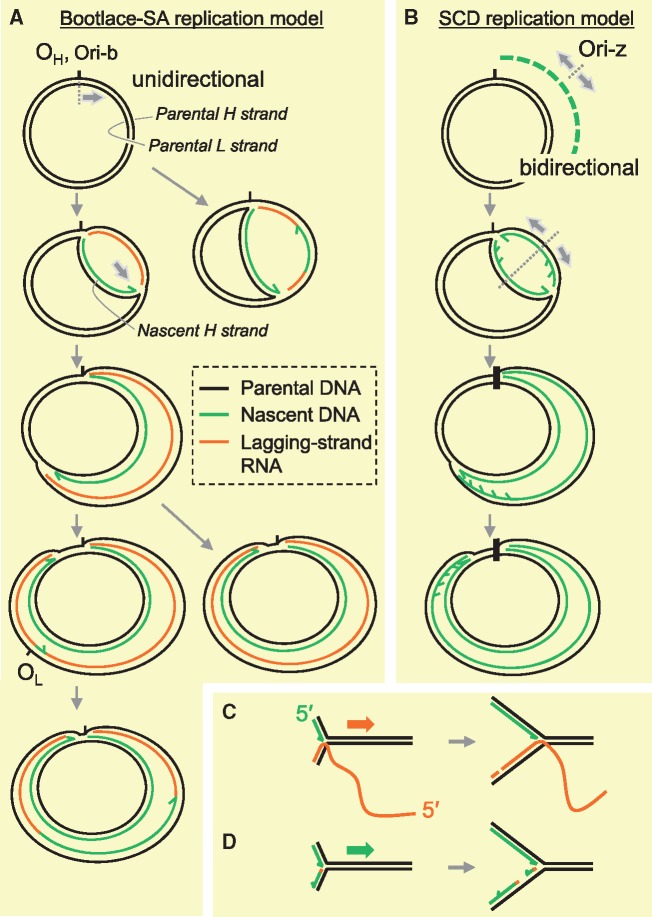
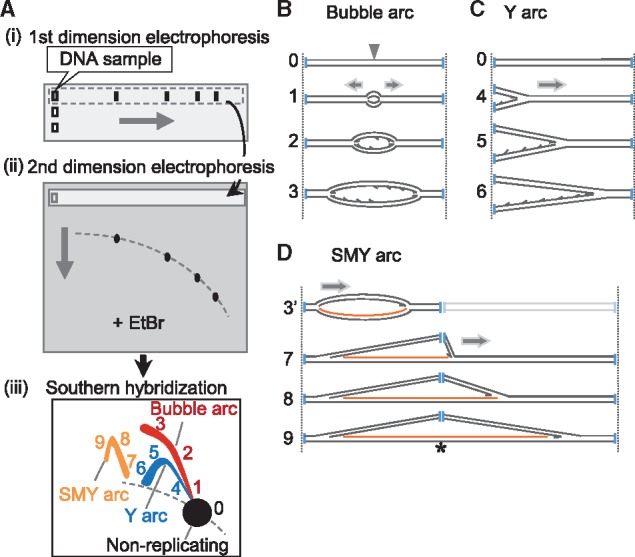
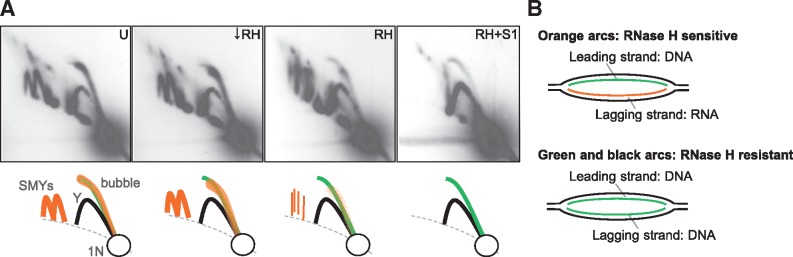
While the majority of DNA is enclosed within the nucleus, the mitochondria also contain their own, separate DNA, the mitochondrial DNA (mtDNA). Mutations in mtDNA are associated with various human diseases, demonstrating the importance of mtDNA. Intensive studies over the last 18 years have demonstrated the presence of two distinct classes of mtDNA replication intermediates in mammals. One involves leading-strand DNA synthesis in the absence of synchronous lagging-strand DNA synthesis. Currently there are competing models in which the lagging-strand template is either systematically hybridized to processed mitochondrial transcripts, or coated with protein, until the lagging-strand DNA synthesis takes place. The other class of mtDNA replication intermediates has many properties of conventional, coupled leading- and lagging-strand DNA synthesis. Additionally, the highly unusual arrangement of DNA in human heart mitochondria suggests a third mechanism of replication. These findings indicate that the mtDNA replication systems of humans and other mammals are far more complex than previously thought, and thereby will require further research to understand the full picture of mtDNA replication.
虽然大部分 DNA 被包裹在细胞核内,但线粒体也含有自己独立的 DNA,即线粒体 DNA(mtDNA)。mtDNA 突变与各种人类疾病有关,这证明了 mtDNA 的重要性。在过去的 18 年中,深入的研究已经证明哺乳动物中存在两种不同类型的 mtDNA 复制中间体。一种涉及没有同步滞后链 DNA 合成的领头链 DNA 合成。目前有两种相互竞争的模型,一种是滞后链模板与加工的线粒体转录本系统杂交,或者被蛋白质包裹,直到滞后链 DNA 合成发生。另一种 mtDNA 复制中间体具有许多传统的、与领头链和滞后链 DNA 合成偶联的特性。此外,人类心脏线粒体中高度异常的 DNA 排列表明存在第三种复制机制。这些发现表明,人类和其他哺乳动物的 mtDNA 复制系统远比以前想象的复杂,因此需要进一步的研究来了解 mtDNA 复制的全貌。