Adelaide Medical School, University of Adelaide, Adelaide, Australia.
Centre for Nutrition and GI Diseases, Adelaide Medical School, University of Adelaide and South Australian Health and Medical Research Institute, Adelaide, Australia.
PLoS One. 2018 Jun 22;13(6):e0199394. doi: 10.1371/journal.pone.0199394. eCollection 2018.
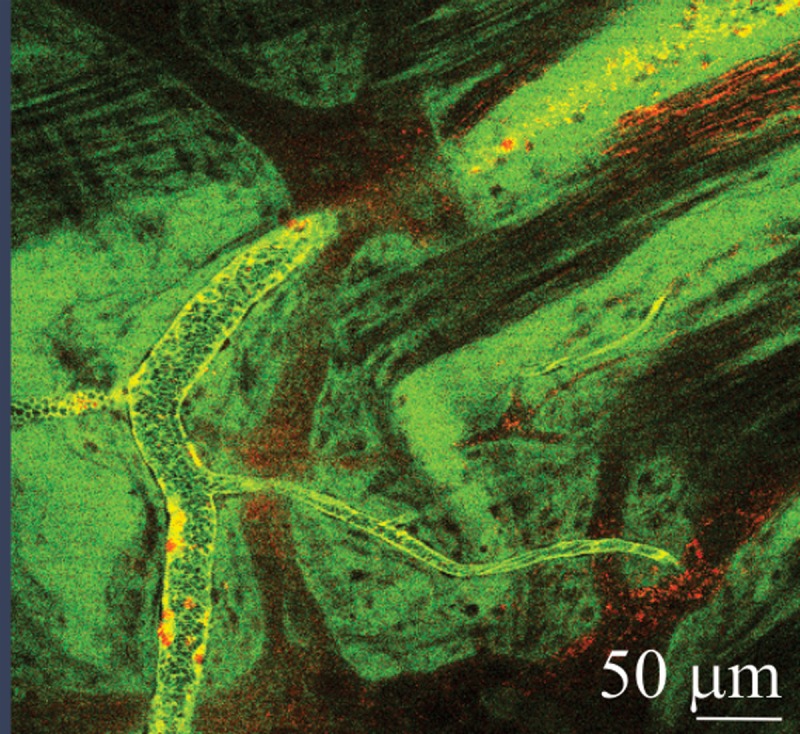
Inflammatory Bowel Disease (IBD) is characterized by overt inflammation of the intestine and is typically accompanied by symptoms of bloody diarrhea, abdominal pain and cramping. The Colonic Migrating Motor Complex (CMMC) directs the movement of colonic luminal contents over long distances. The tri-nitrobenzene sulphonic acid (TNBS) model of colitis causes inflammatory damage to enteric nerves, however it remains to be determined whether these changes translate to functional outcomes in CMMC activity. We aimed to visualize innate immune cell infiltration into the colon using two-photon laser scanning intra-vital microscopy, and to determine whether CMMC activity is altered in the tri-nitro benzene sulphonic (TNBS) model of colitis.
Epithelial barrier permeability was compared between TNBS treated and healthy control mice in-vitro and in-vivo. Innate immune activation was determined by ELISA, flow cytometry and by 2-photon intravital microscopy. The effects of TNBS treatment and IL-1β on CMMC function were determined using a specialized organ bath.
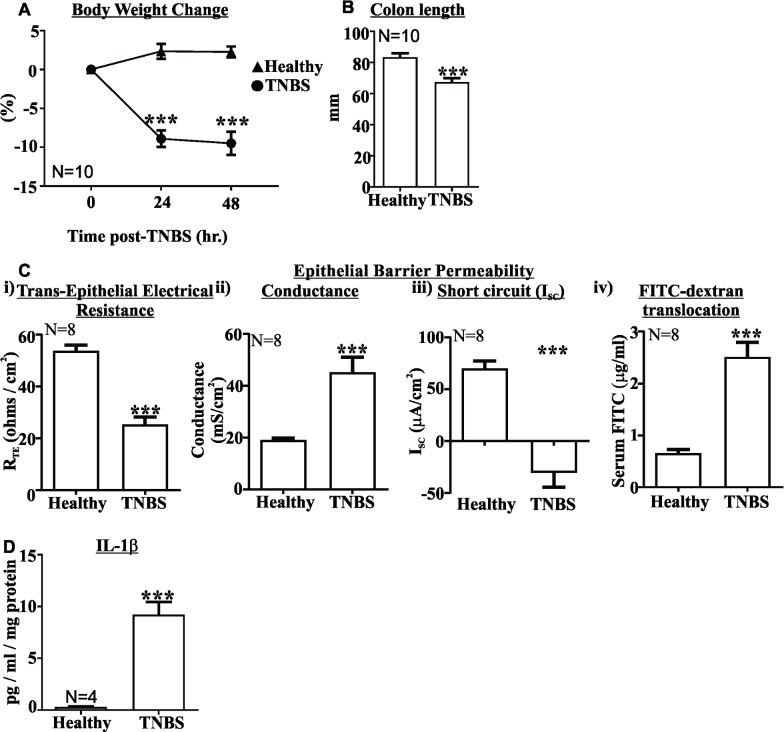
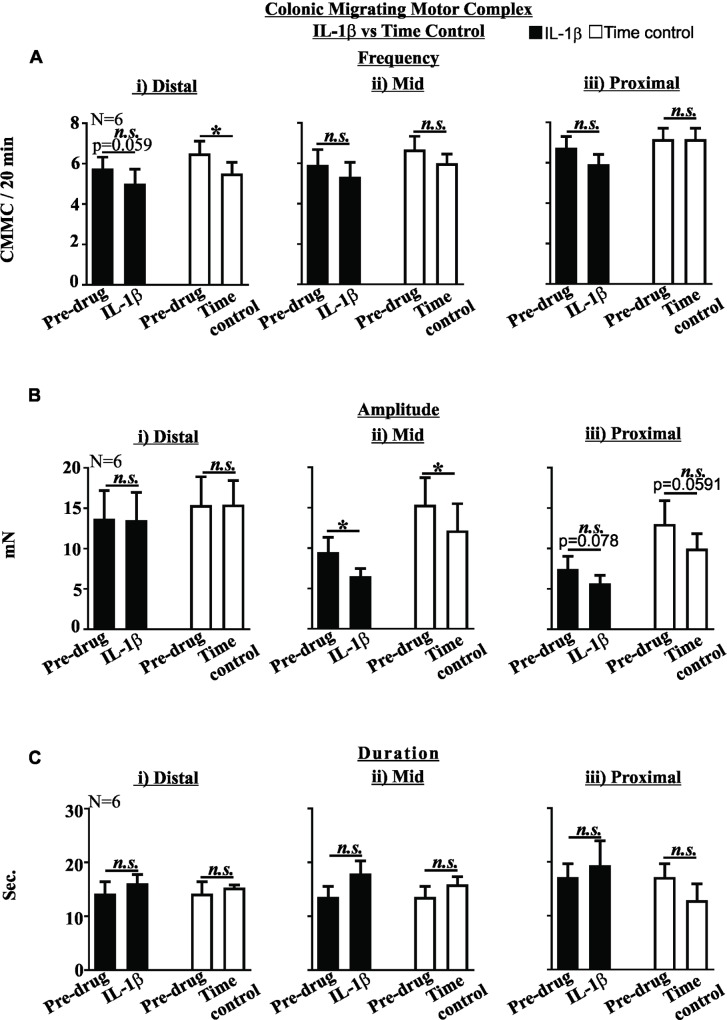
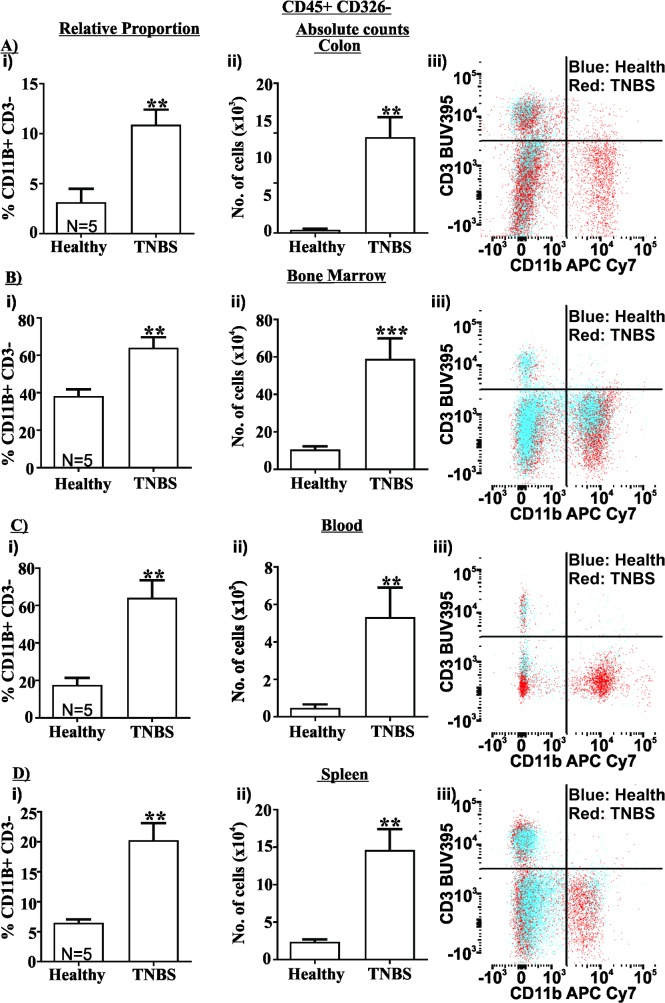
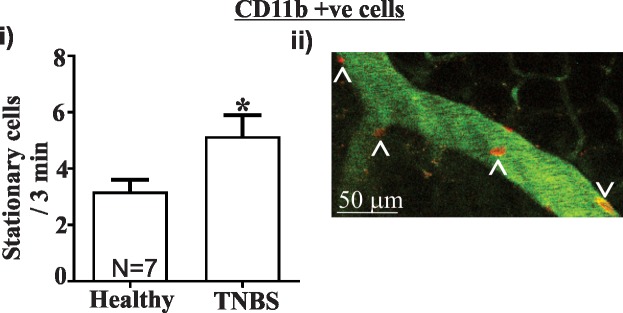
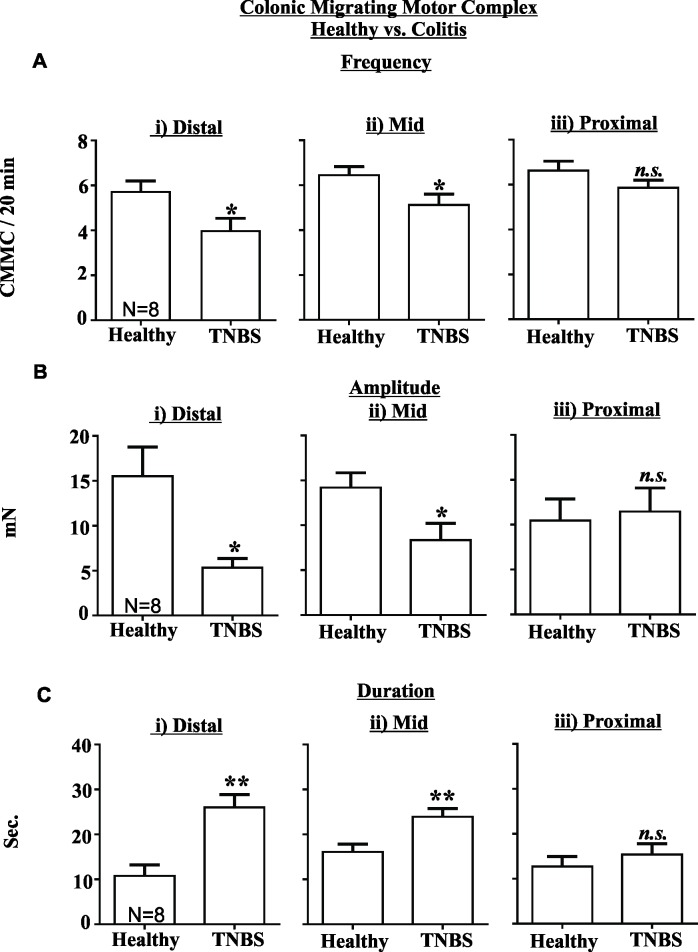
TNBS colitis increased epithelial barrier permeability in-vitro and in-vivo. Colonic IL-1β concentrations, colonic and systemic CD11b+ cell infiltration, and the number of migrating CD11b+ cells on colonic blood vessels were all increased in TNBS treated mice relative to controls. CMMC frequency and amplitude were inhibited in the distal and mid colon of TNBS treated mice. CMMC activity was not altered by superfusion with IL-1β.
TNBS colitis damages the epithelial barrier and increases innate immune cell activation in the colon and systemically. Innate cell migration into the colon is readily identifiable by two-photon intra-vital microscopy. CMMC are inhibited by inflammation, but this is not due to direct effects of IL-1β.
炎症性肠病(IBD)的特征是肠道明显炎症,通常伴有血性腹泻、腹痛和痉挛等症状。结肠移行性运动复合波(CMMC)指导结肠腔内容物的远距离移动。三硝基苯磺酸(TNBS)结肠炎模型会导致肠神经的炎症损伤,但仍需确定这些变化是否会转化为 CMMC 活动的功能结果。我们旨在使用双光子激光扫描活体显微镜观察固有免疫细胞浸润结肠,并确定 CMMC 活性是否在三硝基苯磺酸(TNBS)结肠炎模型中发生改变。
在体外和体内比较 TNBS 处理和健康对照小鼠的上皮屏障通透性。通过 ELISA、流式细胞术和双光子活体显微镜确定固有免疫激活。使用专门的器官浴确定 TNBS 处理和 IL-1β 对 CMMC 功能的影响。
TNBS 结肠炎增加了体外和体内的上皮屏障通透性。与对照组相比,TNBS 处理的小鼠结肠中 IL-1β 浓度、结肠和全身 CD11b+细胞浸润以及结肠血管上迁移的 CD11b+细胞数量均增加。TNBS 处理的小鼠远端和中段结肠的 CMMC 频率和幅度受到抑制。CMMC 活动不受 IL-1β 灌流的影响。
TNBS 结肠炎损害上皮屏障并增加结肠和系统固有免疫细胞的激活。固有细胞向结肠的迁移很容易通过双光子活体显微镜识别。炎症抑制 CMMC,但这不是由于 IL-1β 的直接作用。