Oral Sciences, Faculty of Dentistry, National University of Singapore, Singapore, Singapore.
Institute of Molecular and Cell Biology, Agency for Science, Technology and Research, Singapore, Singapore.
Front Cell Infect Microbiol. 2018 Jun 8;8:164. doi: 10.3389/fcimb.2018.00164. eCollection 2018.
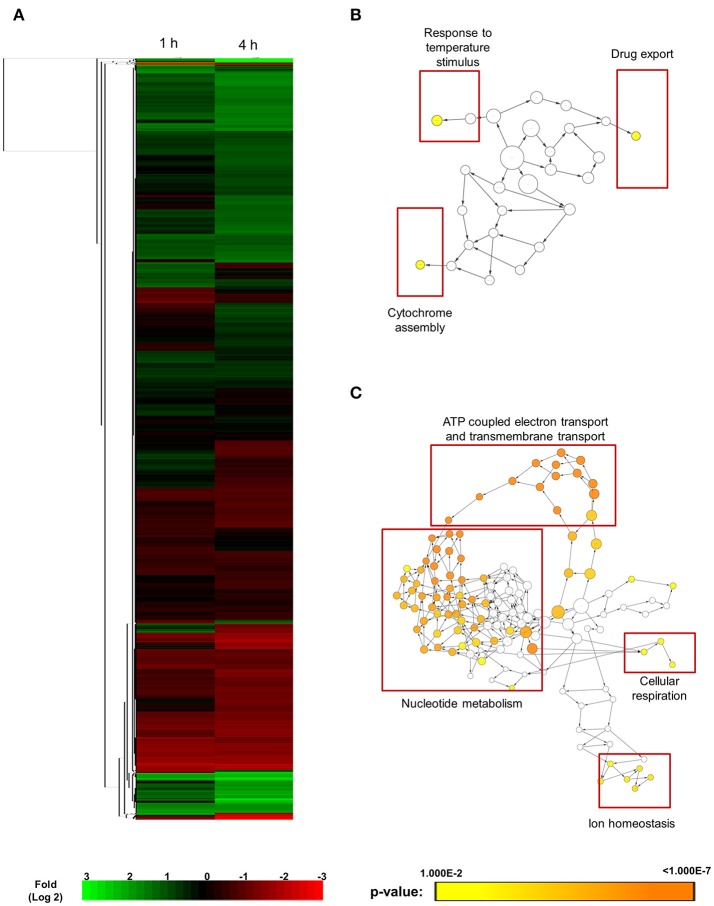
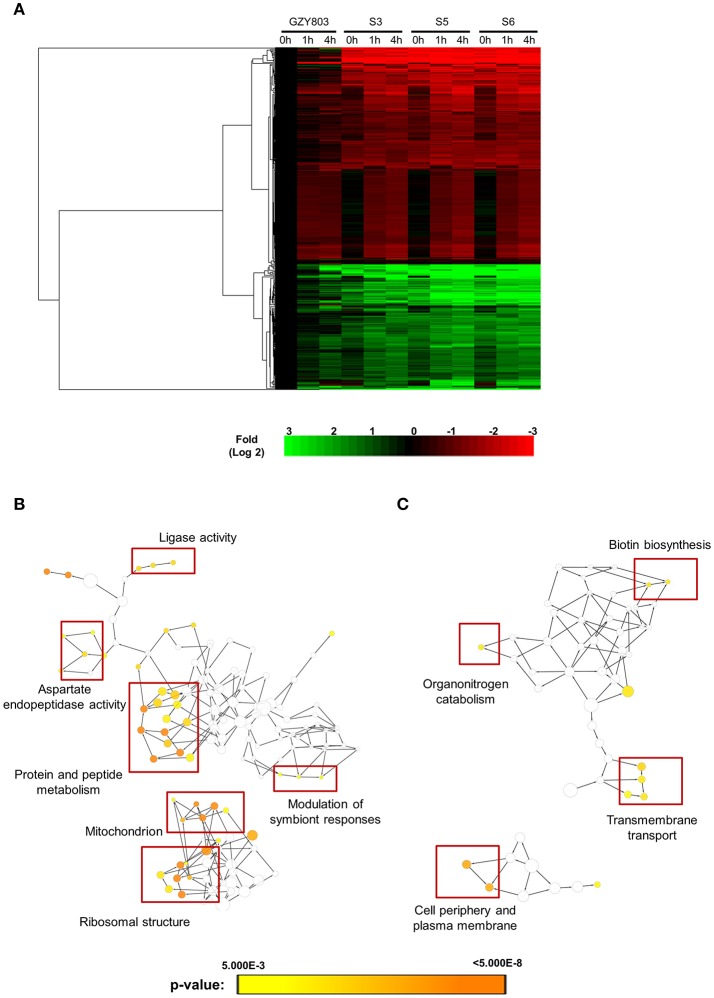
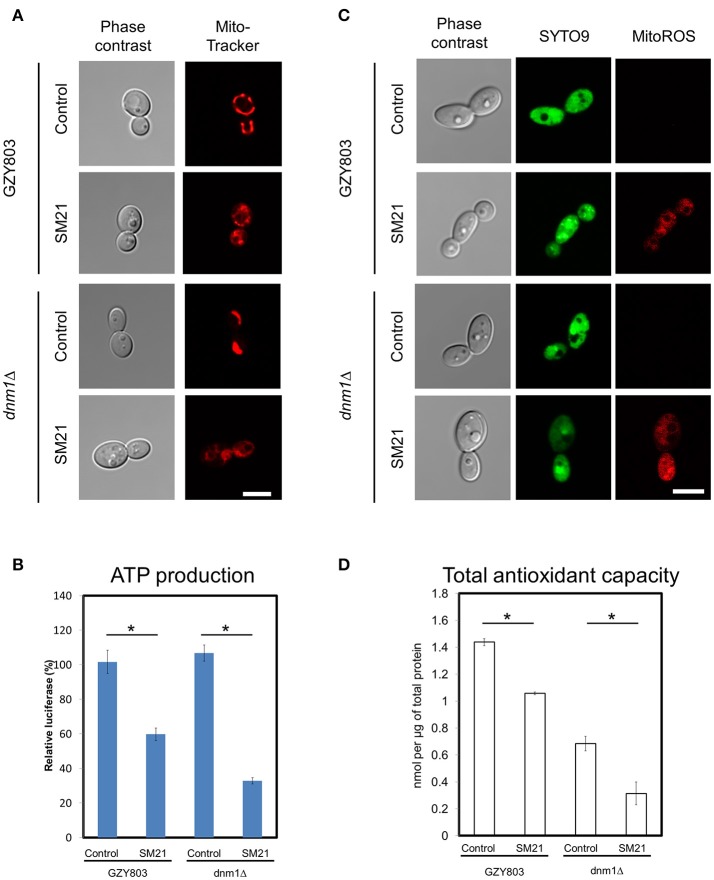
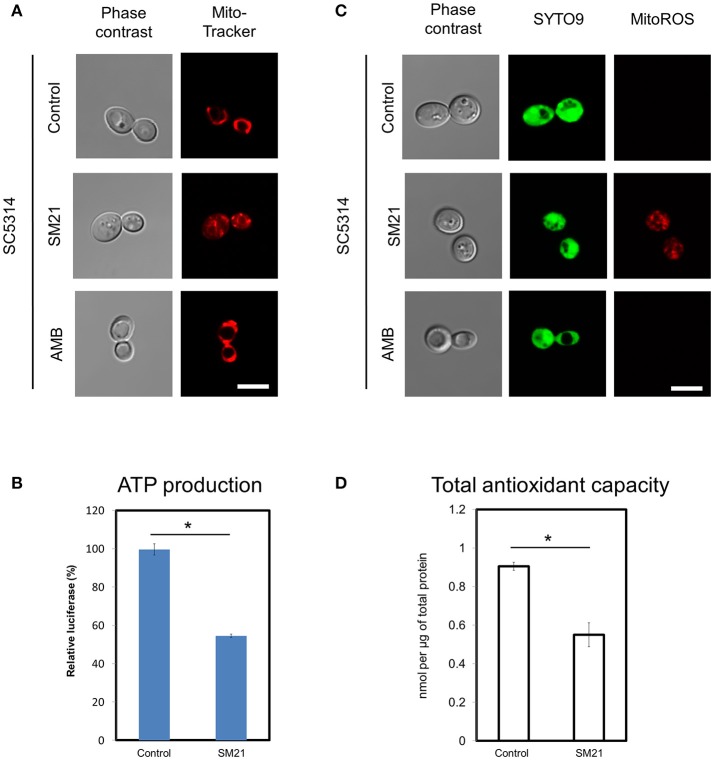
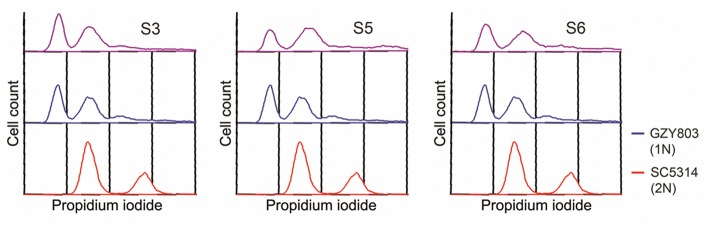
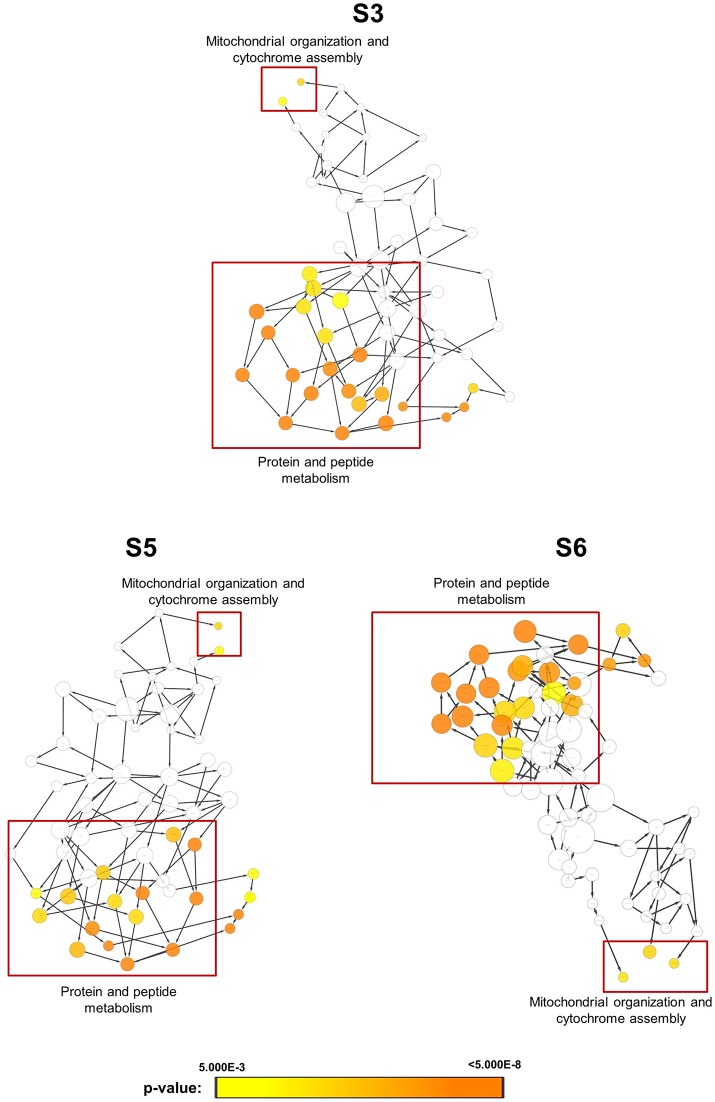
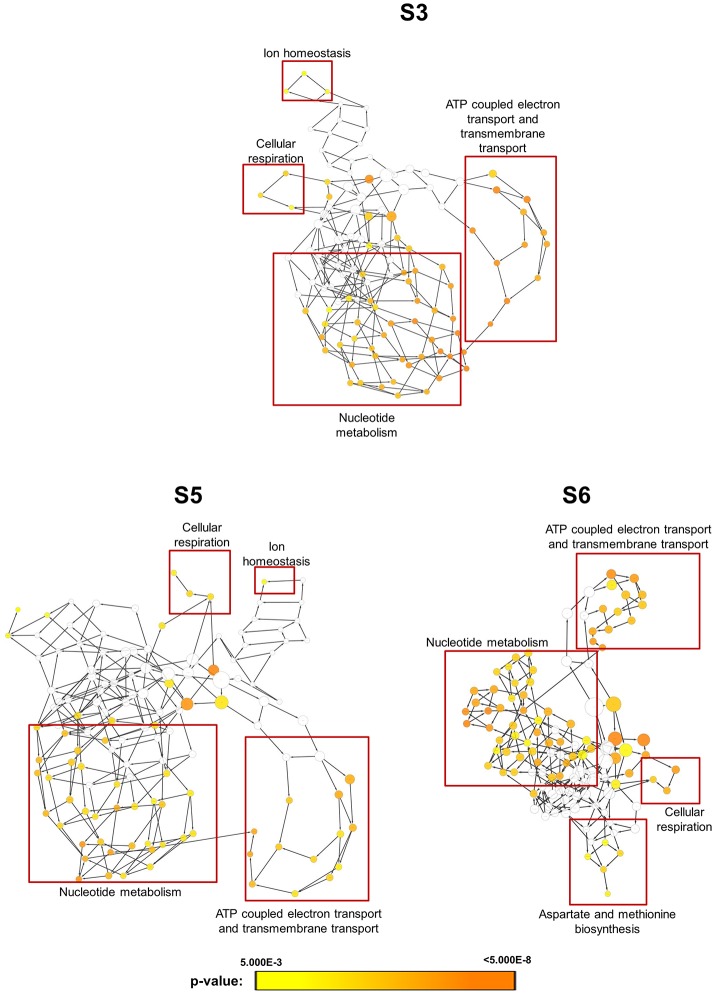
Antifungal agents for the treatment of infections are limited. We recently discovered a novel antifungal small molecule, SM21, with promising activity. Herein, we employed the newly developed haploid toolbox to uncover the mechanism of action of SM21. Comprehensive RNA-Seq analyses of the haploid susceptible GZY803 strain revealed significant gene expression changes related to mitochondria when exposed to SM21. Mitochondrial structure visualization and measurement of ATP generation, reactive oxygen species (ROS) levels, and the antioxidant potential of SM21-treated and untreated GZY803, mitochondrial structure defective haploid mutant (Δ), and wild-type diploid SC5314 strains confirmed defects in mitochondria. Exploiting the advantage of haploids as a single ploidy model, we further exposed GZY803 to repetitive treatments of SM21 in order to generate resistant mutants. Three colonies designated S3, S5 and S6, which displayed resistance to SM21, were isolated. All resistant strains exhibited enhanced transcriptomic responses for peptide and protein metabolism and secreted aspartate proteases (SAPs) activity under SM21 treatment compared to the parent strain GZY803. Consistently, supplementing the resistant strains, GZY803, and SC5314 with peptone, a form of digested peptides, decreased susceptibility to SM21. The present study demonstrates the usefulness of haploid model in antifungal drug discovery. The findings will be invaluable to develop SM21 as a novel antifungal agent, which will benefit millions of patients suffering from infections.
抗真菌药物治疗 感染的选择有限。我们最近发现了一种新型抗真菌小分子 SM21,具有有前途的 活性。在此,我们利用新开发的 单倍体工具包来揭示 SM21 的作用机制。对敏感的 GZY803 单倍体菌株进行的综合 RNA-Seq 分析表明,当暴露于 SM21 时,与线粒体相关的基因表达发生了显著变化。线粒体结构可视化和 ATP 生成、活性氧 (ROS) 水平以及 SM21 处理和未处理的 GZY803、线粒体结构缺陷的单倍体突变体 (Δ) 和野生型二倍体 SC5314 菌株的抗氧化潜力的测量证实了线粒体的缺陷。利用 单倍体作为单倍体模型的优势,我们进一步使 GZY803 重复暴露于 SM21 中以产生耐药突变体。分离出三个命名为 S3、S5 和 S6 的菌落,它们对 SM21 表现出耐药性。与亲本菌株 GZY803 相比,所有耐药菌株在 SM21 处理下表现出增强的肽和蛋白质代谢的转录组反应以及分泌天冬氨酸蛋白酶 (SAP) 活性。一致地,用蛋白胨(一种消化肽的形式)补充耐药菌株 GZY803 和 SC5314 降低了对 SM21 的敏感性。本研究证明了单倍体 模型在抗真菌药物发现中的有用性。这些发现对于将 SM21 开发为一种新型抗真菌药物将是非常宝贵的,这将使数百万患有 感染的患者受益。