Udawatte Nadeeka S, Kang Sung Wook, Wang Yue, Arumugam Thiruma V, Seneviratne Chaminda J
National Dental Centre Singapore, Oral Health ACP, Duke-NUS Medical School, Singapore, Singapore.
Department of Physiology, Yong Loo Lin School of Medicine, National University of Singapore, Singapore, Singapore.
Front Pharmacol. 2020 Apr 24;11:511. doi: 10.3389/fphar.2020.00511. eCollection 2020.
is the major fungal species associated with superficial mucosal infections such as oral candidiasis as well as systemic mycoses with high morbidity and mortality. On top of the rising drug resistance, currently available antifungal agents have significant adverse effects. Nephrotoxicity is the major treatment complication associated with antifungal agents.Recently, we discovered a novel antifungal small molecule SM21 with promising antifungal activity. The present study aimed to comparatively evaluate the and nephrotoxicity of SM21 comparing with Amphotericin B and voriconazole.
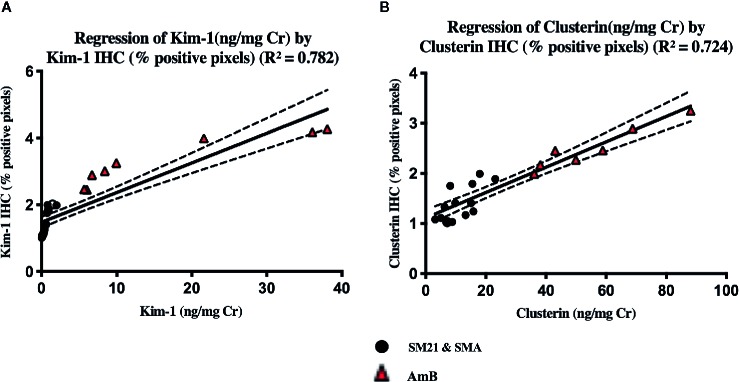
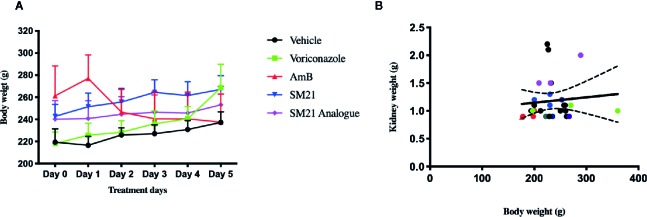
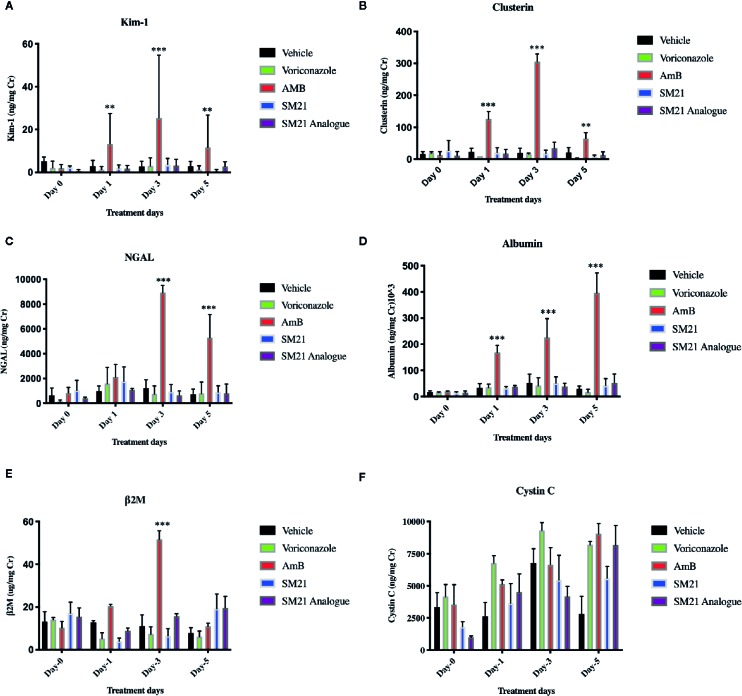
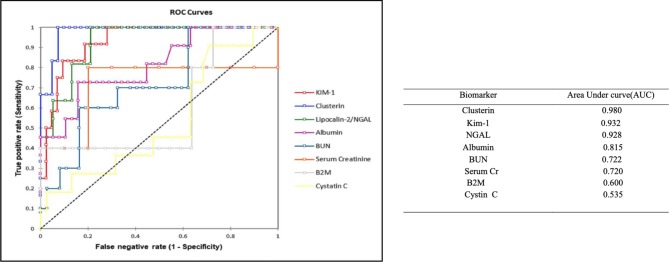
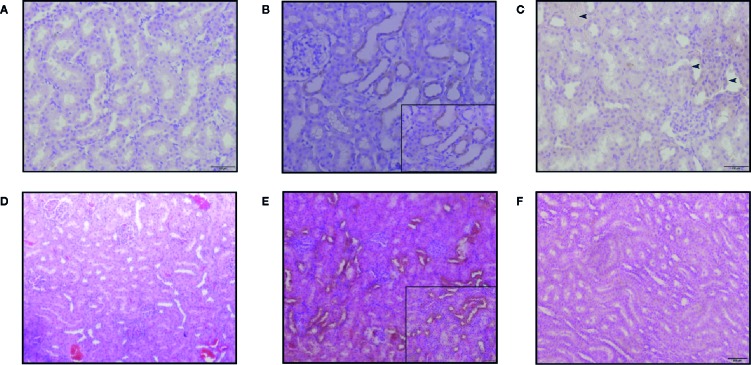
Nephrotoxicity of SM21 and its analogue were comparatively evaluated with Amphotericin B (AmB) and voriconazole. Immortalized human kidney proximal tubule epithelial cells (HK-2) were used for analysis of nephrotoxicity using cytotoxicity assays and qPCR gene expression analysis (Kim-1/). Sprague Dawley (SD) rat model was used to evaluate the nephrotoxicity using classical (SCr and BUN) and next-generation kidney injury urinary biomarkers (Kim-1, CLU, ALB, NGAL, β2M, and Cys C) alongside histopathological and immunohistochemical standards.
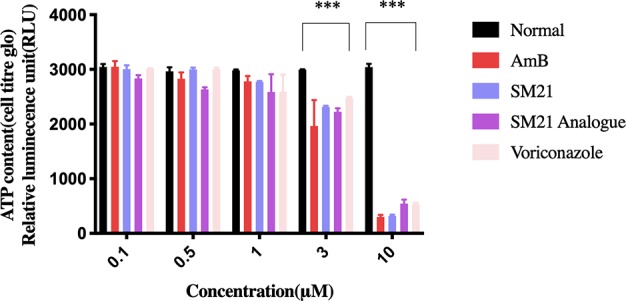
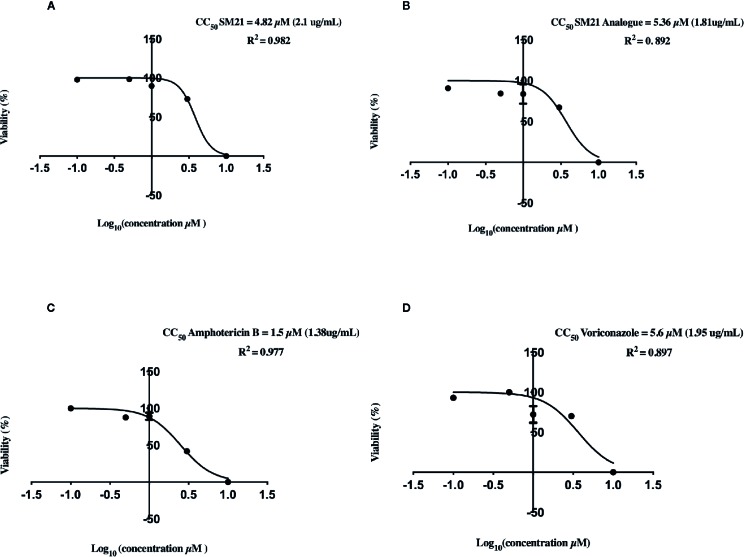
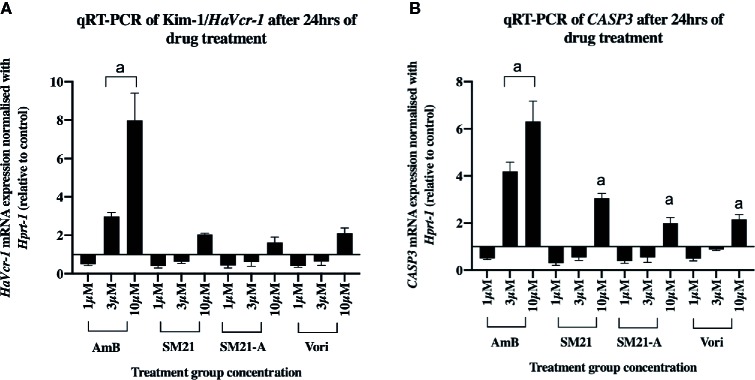
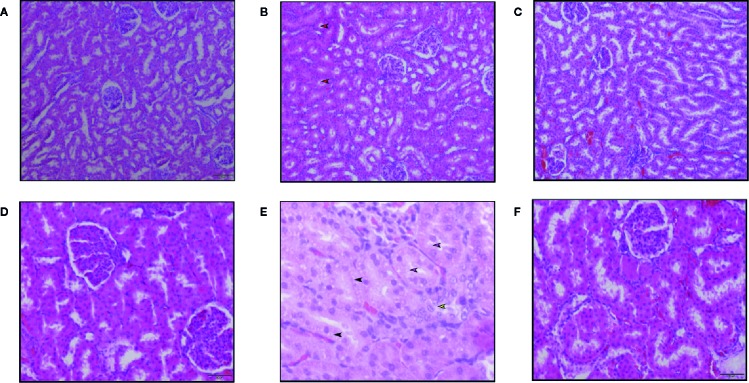
AmB treatment showed a stronger cytotoxic impact on HK-2 viability and gene expression of cell death markers (Kim-1/) compared with SM21 and SM21 analogue (P < 0.01). In vivo data further demonstrated that SM21 did not significantly increase classical as well as novel nephrotoxic biomarkers, and minimal renal tubular necrosis and abnormalities were observed (15 mg kg BW/day).
SM21 had a significantly better safety profile in terms of nephrotoxicity with no major tubular epithelial abnormalities observed in kidney cells and no augmentation of kidney injury biomarkers compared to AmB. Kim-1 and CLU were the most sensitive biomarkers for detection of AmB-induced kidney damage. Future clinical trials should consider inclusion of these novel biomarkers as early indicators of acute kidney injury in antifungal-induced nephrotoxicity.
是与浅表黏膜感染(如口腔念珠菌病)以及发病率和死亡率较高的系统性真菌病相关的主要真菌种类。除了耐药性不断上升外,目前可用的抗真菌药物有显著的不良反应。肾毒性是与抗真菌药物相关的主要治疗并发症。最近,我们发现了一种具有良好抗真菌活性的新型抗真菌小分子SM21。本研究旨在比较评估SM21与两性霉素B和伏立康唑相比的肾毒性。
用两性霉素B(AmB)和伏立康唑比较评估SM21及其类似物的肾毒性。使用永生化的人近端肾小管上皮细胞(HK-2),通过细胞毒性测定和qPCR基因表达分析(Kim-1/)进行肾毒性分析。使用Sprague Dawley(SD)大鼠模型,通过经典指标(血清肌酐和血尿素氮)和新一代肾损伤尿液生物标志物(Kim-1、CLU、ALB、NGAL、β2M和胱抑素C)以及组织病理学和免疫组化标准来评估肾毒性。
与SM21和SM21类似物相比,AmB治疗对HK-2活力和细胞死亡标志物(Kim-1/)的基因表达显示出更强的细胞毒性影响(P < 0.01)。体内数据进一步表明,SM21不会显著增加经典和新型肾毒性生物标志物,并且观察到最小程度的肾小管坏死和异常(15 mg kg体重/天)。
就肾毒性而言,SM21的安全性显著更好;与AmB相比,在肾细胞中未观察到主要的肾小管上皮异常,并且肾损伤生物标志物没有增加。Kim-1和CLU是检测AmB诱导的肾损伤最敏感的生物标志物。未来的临床试验应考虑纳入这些新型生物标志物,作为抗真菌药物诱导的肾毒性中急性肾损伤的早期指标。