Peace Research Institute Oslo (PRIO), PO Box 9229, Grønland, NO-0134, Oslo, Norway.
The Ragnar Frisch Centre for Economic Research, University of Oslo, Gaustadalléen 21, 0349, Oslo, Norway.
Demography. 2018 Aug;55(4):1295-1316. doi: 10.1007/s13524-018-0685-4.
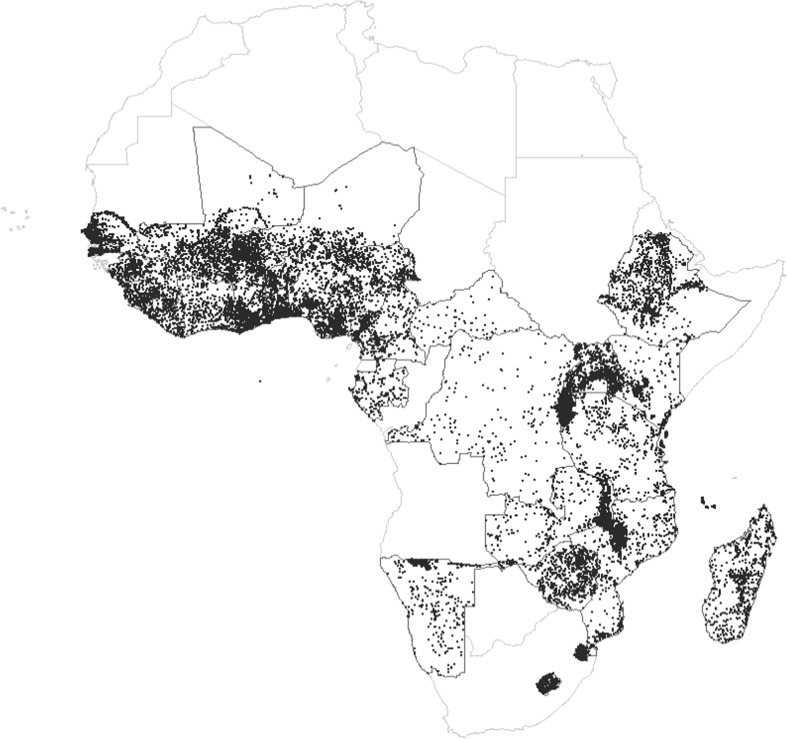
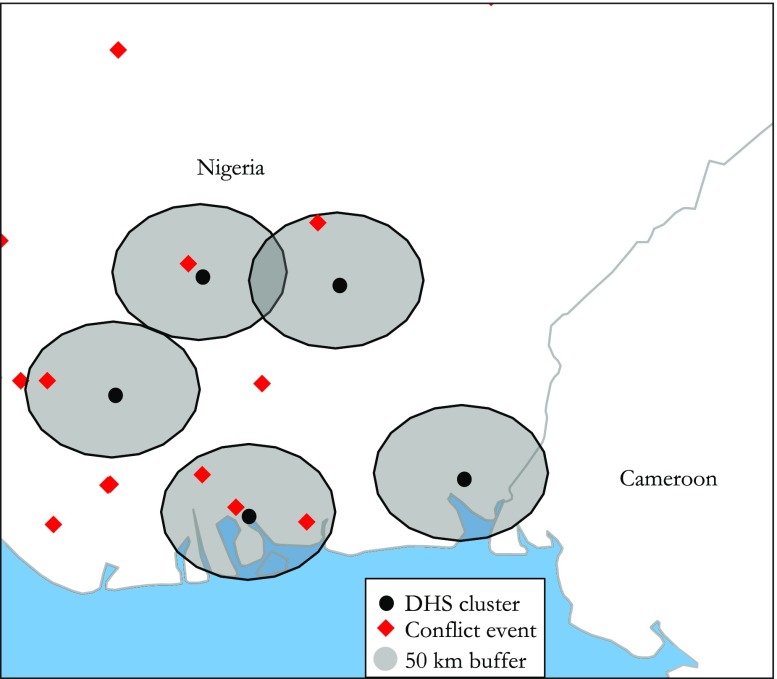
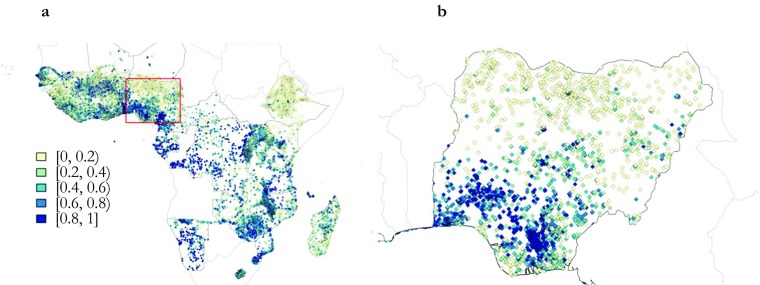
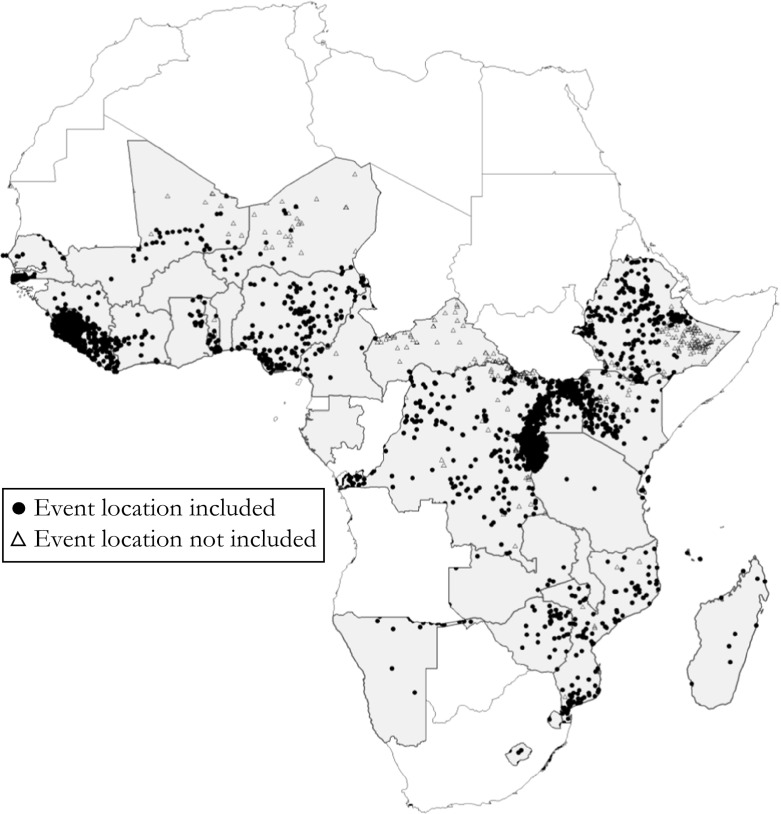
The conditions under which a mother gives birth greatly affect the health risk of both the mother and the child. This article addresses how local exposure to organized violence affects whether women give birth in a health facility. We combine geocoded data on violent events from the Uppsala Conflict Data Program with georeferenced survey data on the use of maternal health care services from the Demographic and Health Surveys. Our sample covers 569,201 births by 390,574 mothers in 31 countries in sub-Saharan Africa. We use a mother fixed-effects analysis to estimate the effect of recent organized violence events within a radius of 50 km of the home of each mother on the likelihood that her child is born in a health facility. The results indicate that geographical and temporal proximity to organized violence significantly reduces the likelihood of institutional births. Although the level of maternal health care overall is lower in rural areas, the negative effect of violence appears to be stronger in urban areas. The study further underscores the importance of household and individual resilience, indicating that the effect of organized violence on institutional child delivery is greater among poor and less-educated mothers.
母亲分娩的条件极大地影响了母亲和孩子的健康风险。本文探讨了当地有组织暴力事件的发生如何影响妇女在医疗机构分娩的情况。我们将乌普萨拉冲突数据项目中有关暴力事件的地理编码数据与人口与健康调查中有关孕产妇保健服务使用情况的地理参照调查数据结合起来。我们的样本涵盖了撒哈拉以南非洲 31 个国家的 390574 名母亲所生的 569201 名儿童。我们使用母亲固定效应分析来估计母亲家半径 50 公里范围内最近发生的有组织暴力事件对其子女在医疗机构出生的可能性的影响。结果表明,接近有组织暴力的地理位置和时间显著降低了机构分娩的可能性。尽管农村地区的整体妇幼保健水平较低,但暴力的负面影响在城市地区似乎更强。该研究进一步强调了家庭和个人适应能力的重要性,表明有组织暴力对机构分娩的影响在贫困和教育程度较低的母亲中更大。