Eunice Kennedy Shriver National Institute of Child Health and Human Development, National Institutes of Health, Bethesda, United States.
National Center for Complementary and Integrative Health, National Institutes of Health, Bethesda, United States.
Elife. 2018 Jul 3;7:e33910. doi: 10.7554/eLife.33910.
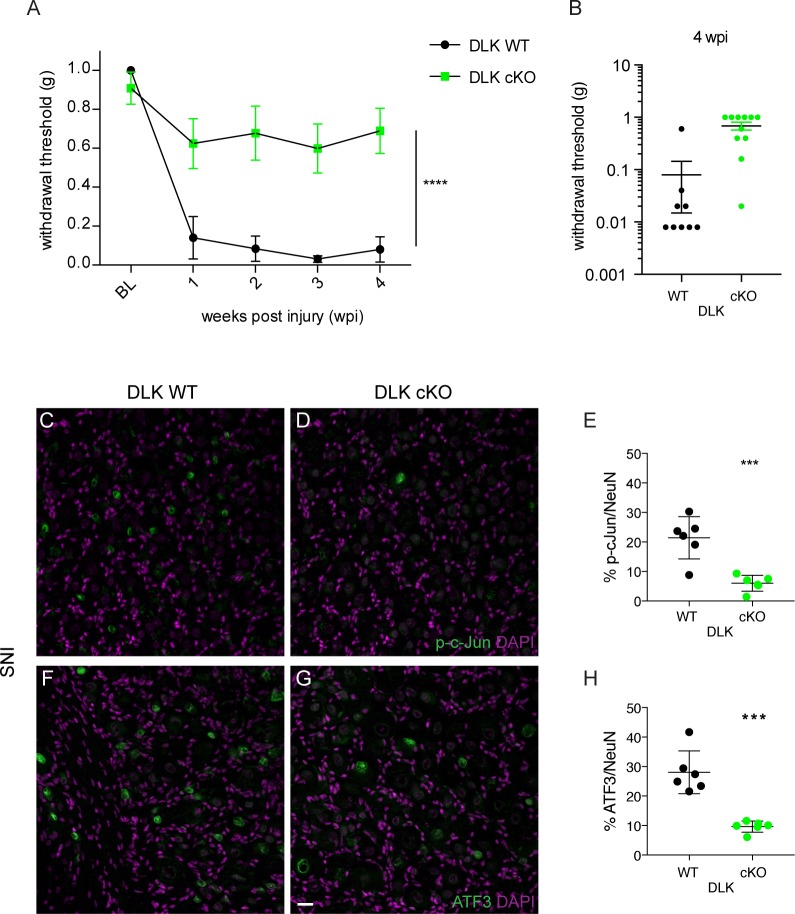
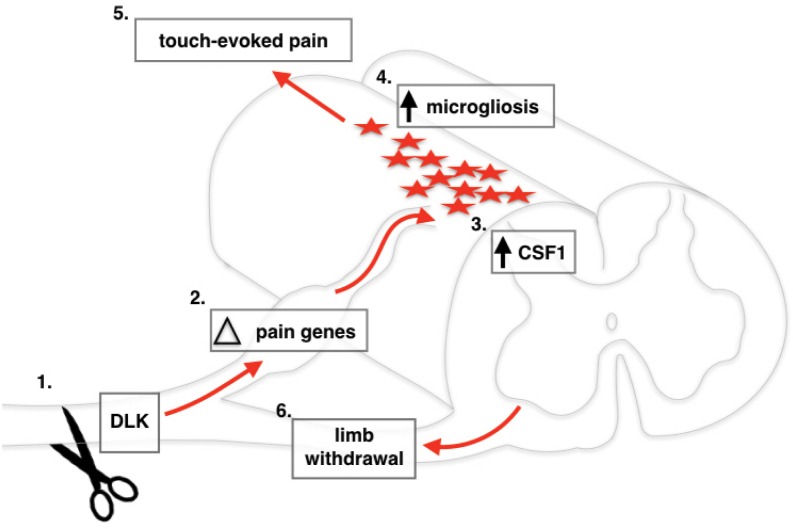
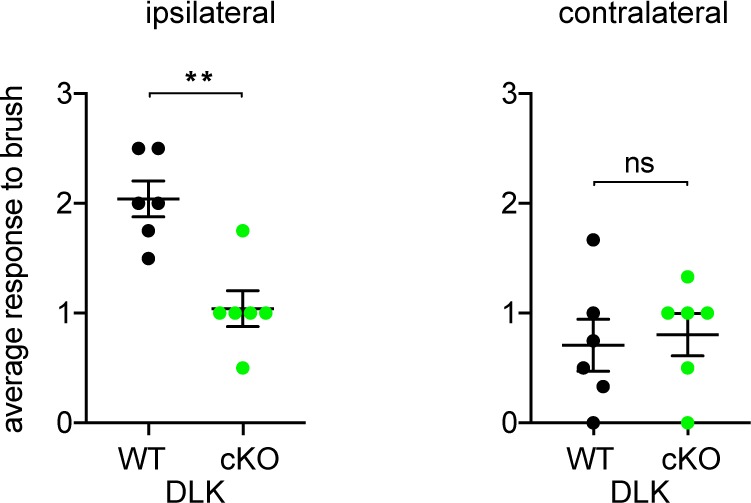
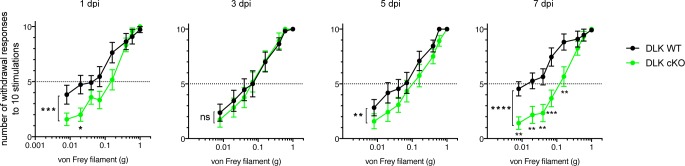
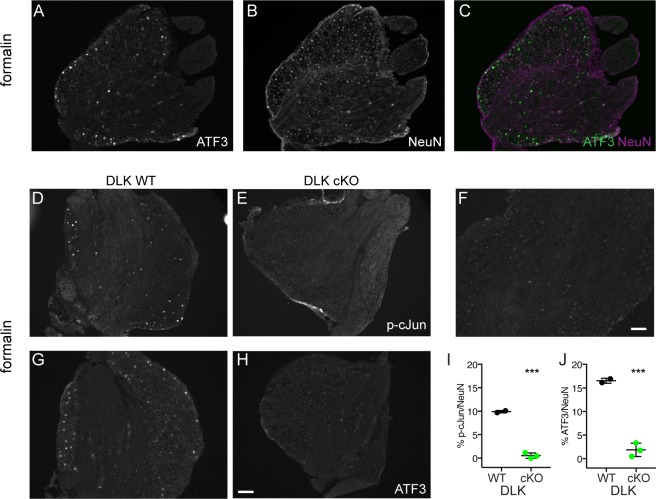
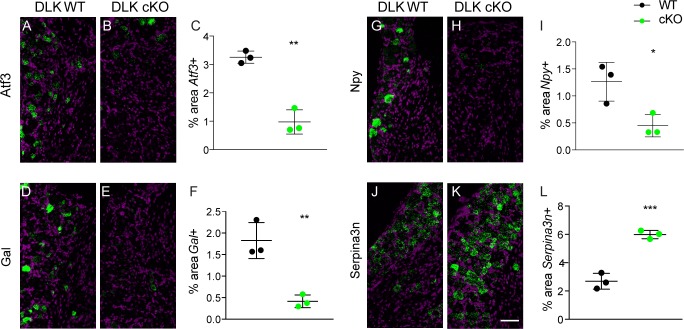
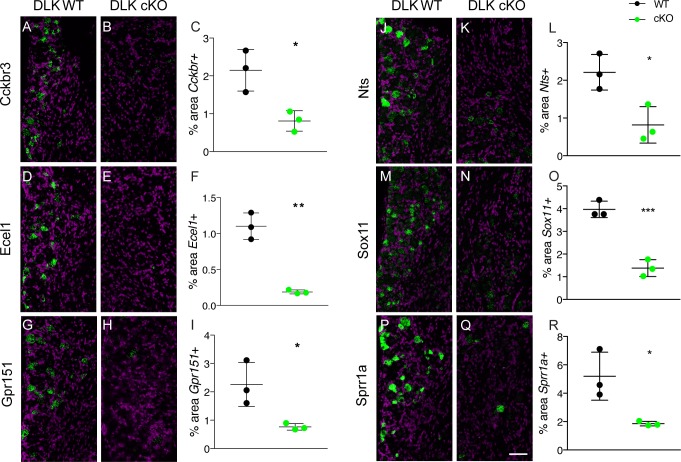
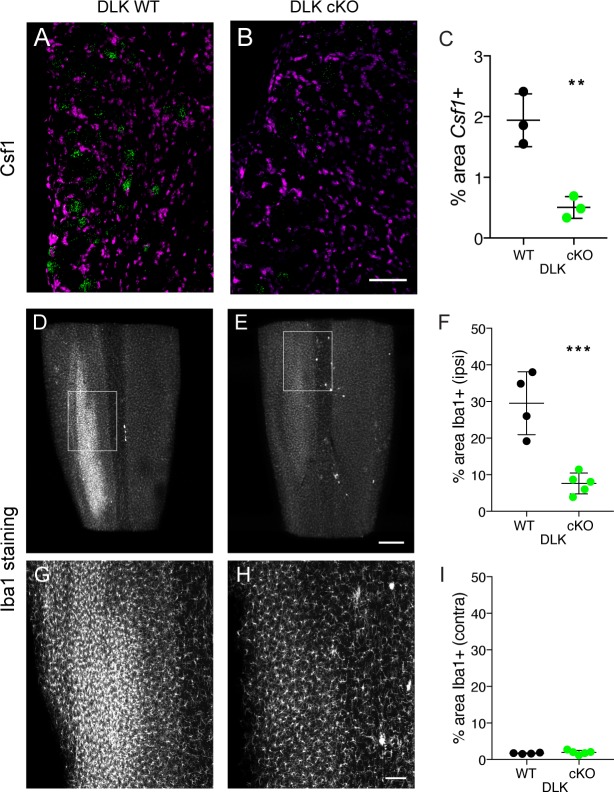
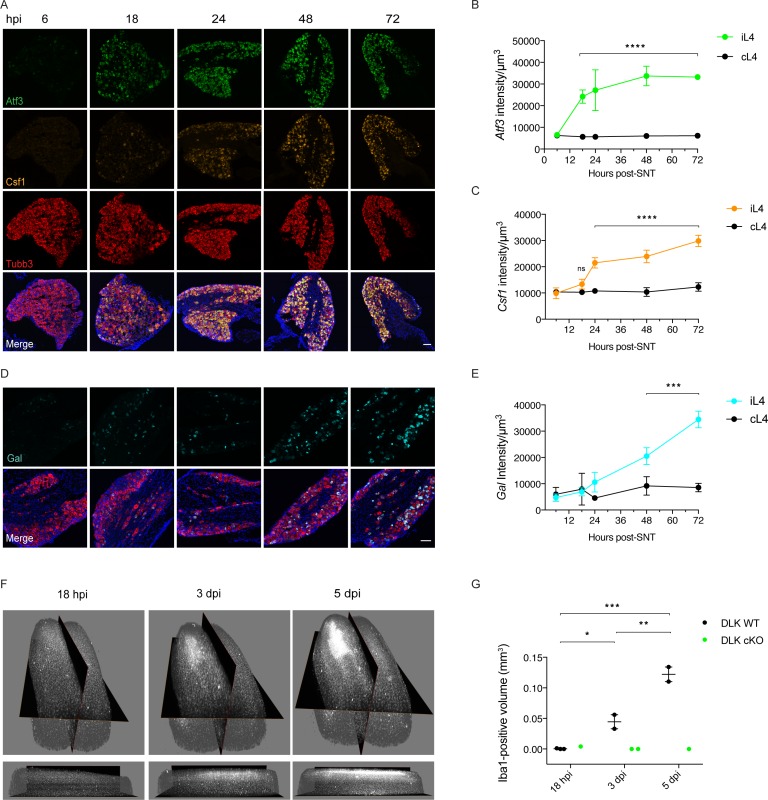
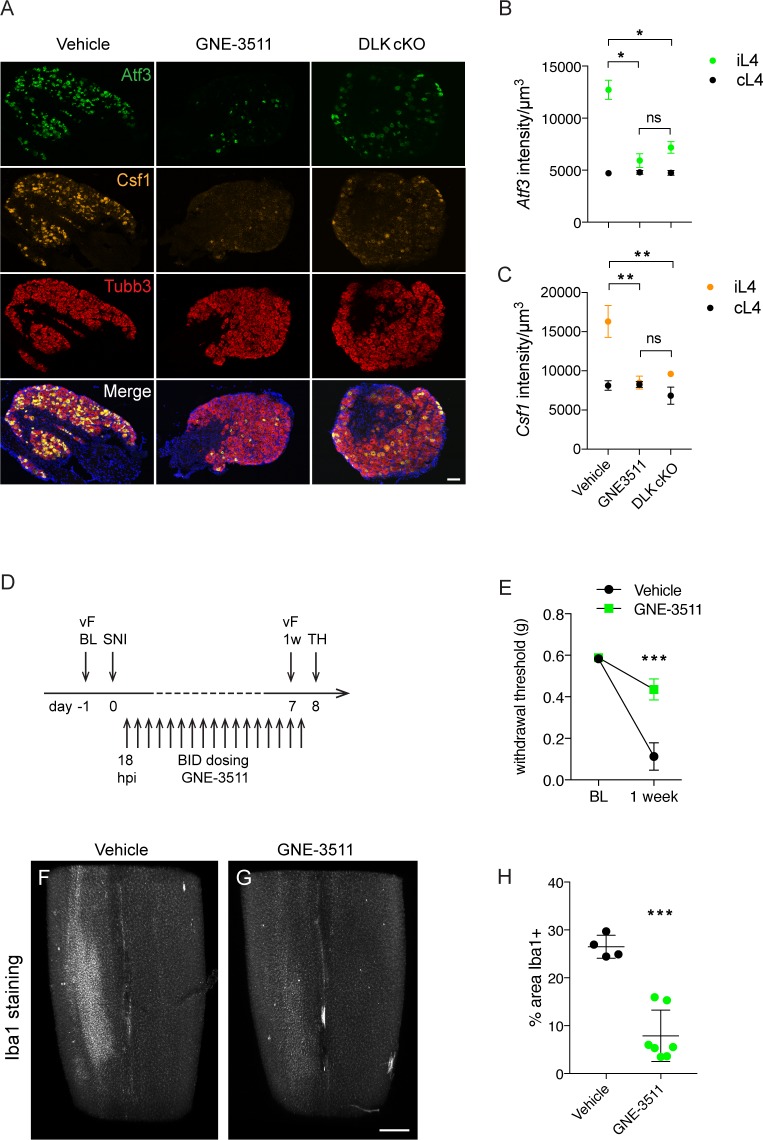
Neuropathic pain resulting from nerve injury can become persistent and difficult to treat but the molecular signaling responsible for its development remains poorly described. Here, we identify the neuronal stress sensor dual leucine zipper kinase (DLK; ) as a key molecule controlling the maladaptive pathways that lead to pain following injury. Genetic or pharmacological inhibition of DLK reduces mechanical hypersensitivity in a mouse model of neuropathic pain. Furthermore, DLK inhibition also prevents the spinal cord microgliosis that results from nerve injury and arises distant from the injury site. These striking phenotypes result from the control by DLK of a transcriptional program in somatosensory neurons regulating the expression of numerous genes implicated in pain pathogenesis, including the immune gene . Thus, activation of DLK is an early event, or even the master regulator, controlling a wide variety of pathways downstream of nerve injury that ultimately lead to chronic pain.
神经损伤引起的神经性疼痛可能持续存在且难以治疗,但导致其发展的分子信号仍描述不清。在这里,我们发现神经元应激传感器双亮氨酸拉链激酶(DLK; )是控制损伤后导致疼痛的适应性途径的关键分子。DLK 的遗传或药理学抑制可减少神经性疼痛小鼠模型中的机械性痛觉过敏。此外,DLK 抑制还可防止神经损伤引起的脊髓小胶质细胞增生,而这种增生发生在远离损伤部位的地方。这些显著的表型是由于 DLK 控制感觉神经元中转录程序,调节许多与疼痛发病机制相关基因的表达,包括免疫基因 。因此,DLK 的激活是一个早期事件,甚至是主控因子,控制着神经损伤下游的各种途径,最终导致慢性疼痛。