Biology, Georgia State University, Atlanta, GA, United States.
Front Cell Infect Microbiol. 2018 Jun 19;8:198. doi: 10.3389/fcimb.2018.00198. eCollection 2018.
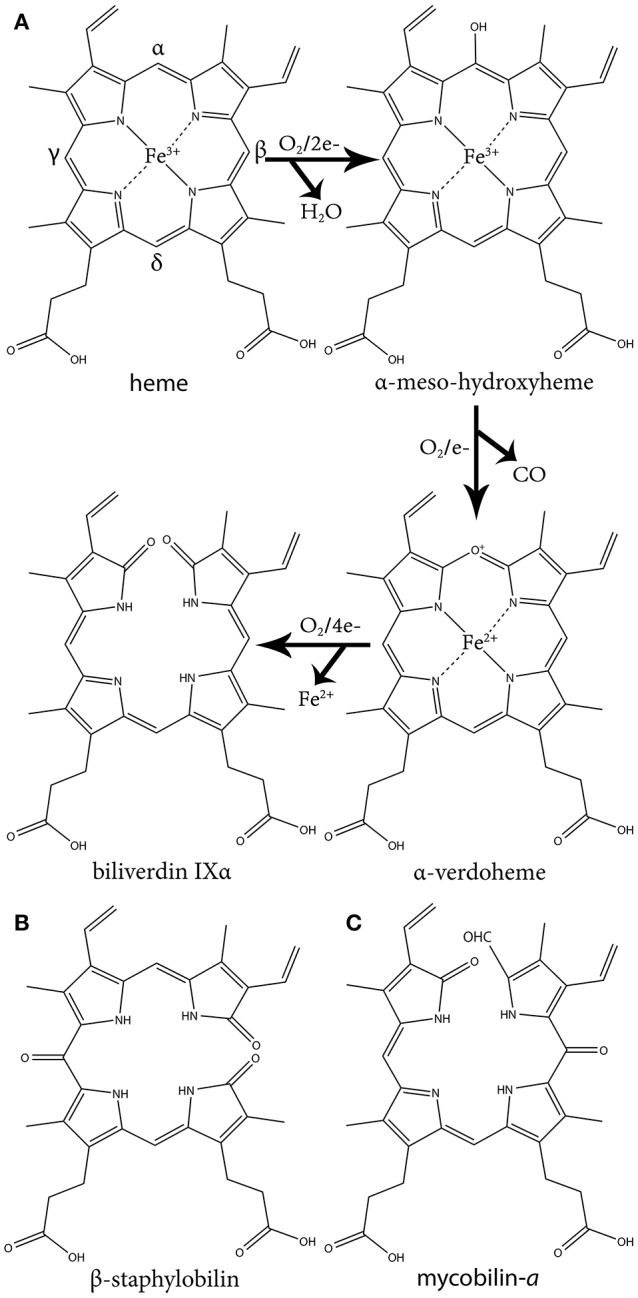
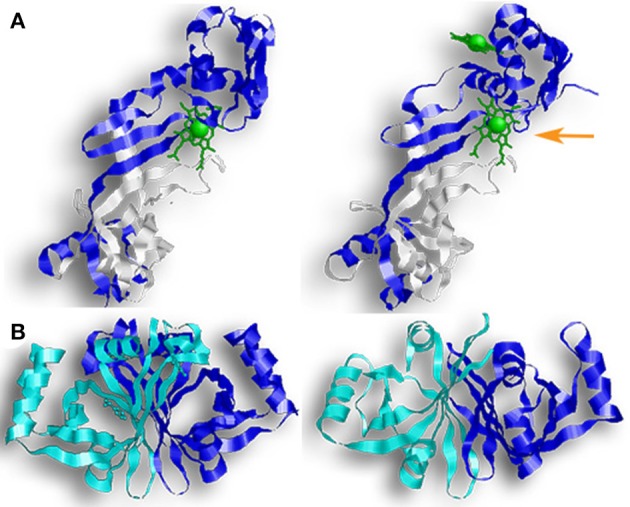
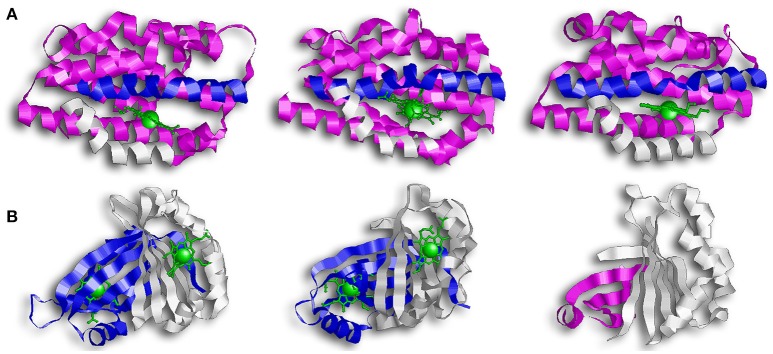
Iron is an essential nutrient for many bacteria. Since the metal is highly sequestered in host tissues, bound predominantly to heme, pathogenic bacteria often take advantage of heme uptake and degradation mechanisms to acquire iron during infection. The most common mechanism of releasing iron from heme is through oxidative degradation by heme oxygenases (HOs). In addition, an increasing number of proteins that belong to two distinct structural families have been implicated in aerobic heme catabolism. Finally, an enzyme that degrades heme anaerobically was recently uncovered, further expanding the mechanisms for bacterial heme degradation. In this analysis, we cover the spectrum and recent advances in heme degradation by infectious bacteria. We briefly explain heme oxidation by the two groups of recognized HOs to ground readers before focusing on two new types of proteins that are reported to be involved in utilization of heme iron. We discuss the structure and enzymatic function of proteins representing these groups, their biological context, and how they are regulated to provide a more complete look at their cellular role.
铁是许多细菌必需的营养物质。由于金属在宿主组织中高度隔离,主要与血红素结合,因此致病菌通常在感染期间利用血红素摄取和降解机制来获取铁。从血红素中释放铁的最常见机制是通过血红素加氧酶(HOs)的氧化降解。此外,越来越多属于两种不同结构家族的蛋白质被牵连到需氧血红素分解代谢中。最后,最近发现了一种能够在无氧条件下降解血红素的酶,进一步扩展了细菌血红素降解的机制。在这项分析中,我们涵盖了传染性细菌血红素降解的范围和最新进展。在重点介绍两种被报道参与血红素铁利用的新型蛋白质之前,我们简要解释了两组公认的 HOs 的血红素氧化。我们讨论了代表这些组的蛋白质的结构和酶功能、它们的生物学背景以及它们如何被调节,以更全面地了解它们的细胞作用。