Heart Prosthesis Institute, Bioengineering Laboratory, Wolnosci 345A, 41-800, Zabrze, Poland.
Department of Animal Physiology and Ecotoxicology, Faculty of Biology and Environmental Protection, University of Silesia, Bankowa 9, 40-007, Katowice, Poland.
J Mater Sci Mater Med. 2018 Jul 3;29(7):106. doi: 10.1007/s10856-018-6106-9.
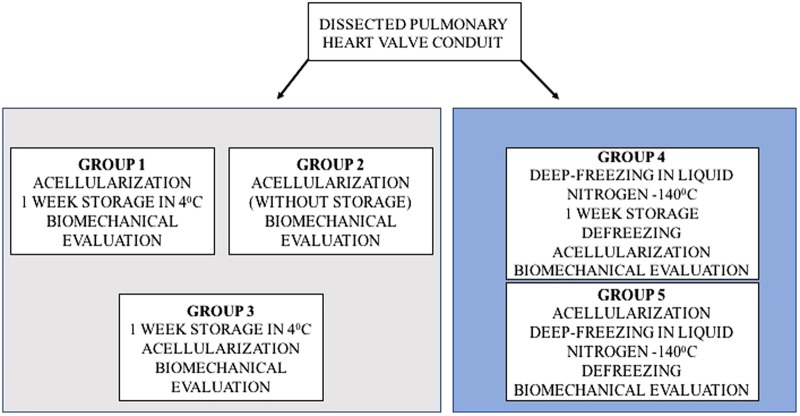
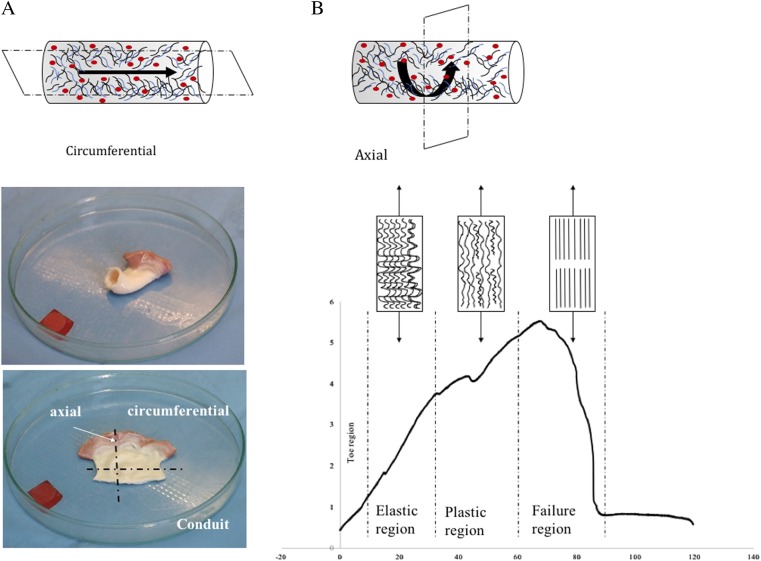
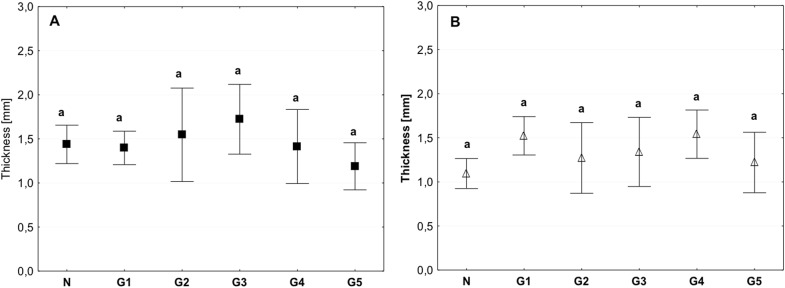
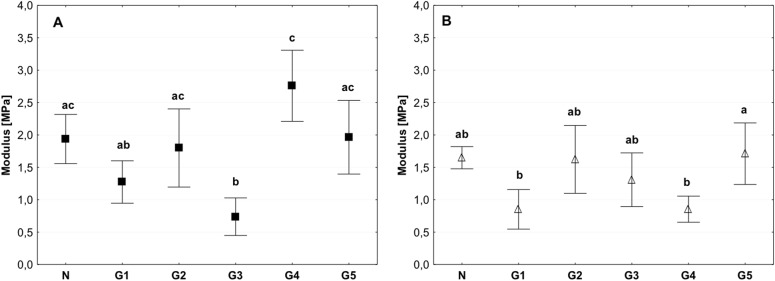
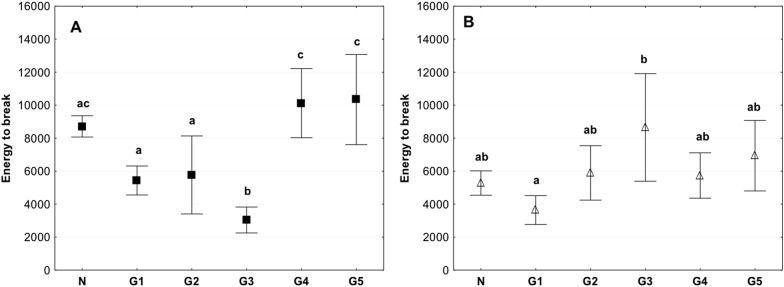
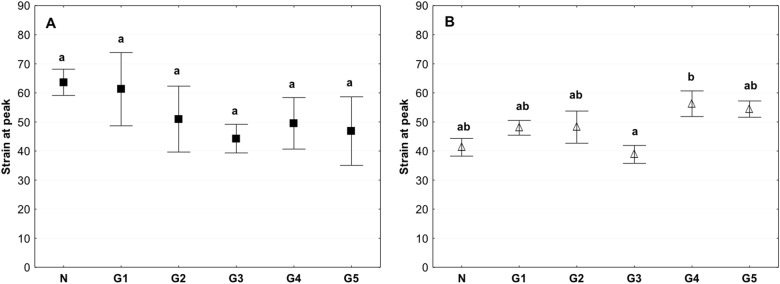
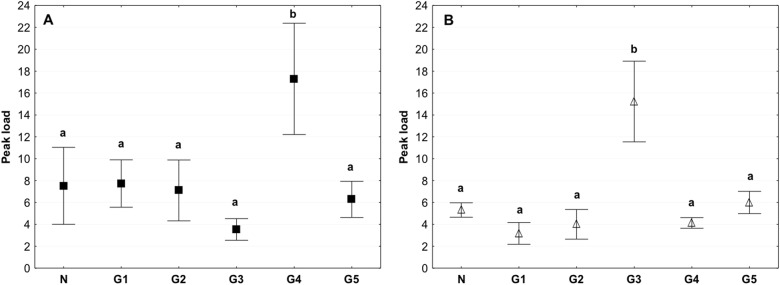
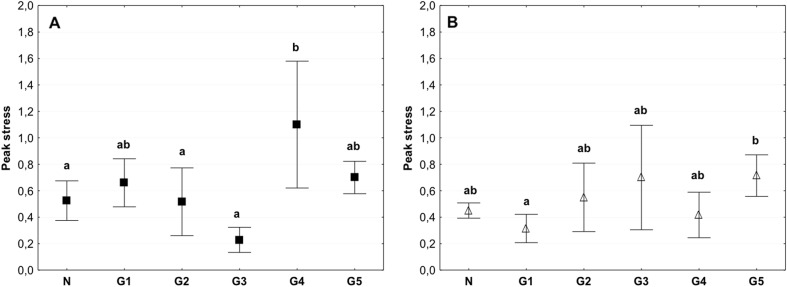
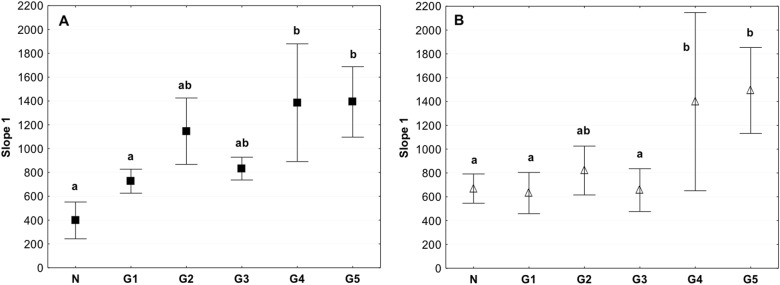
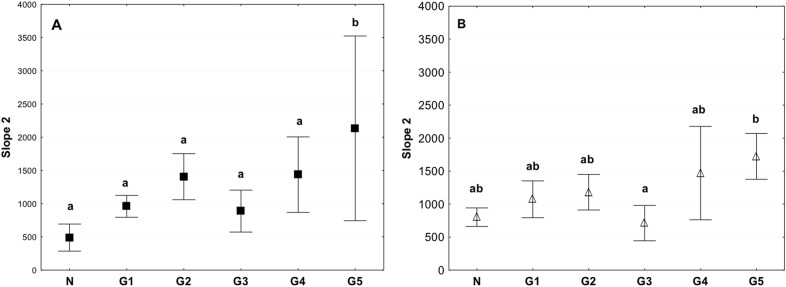
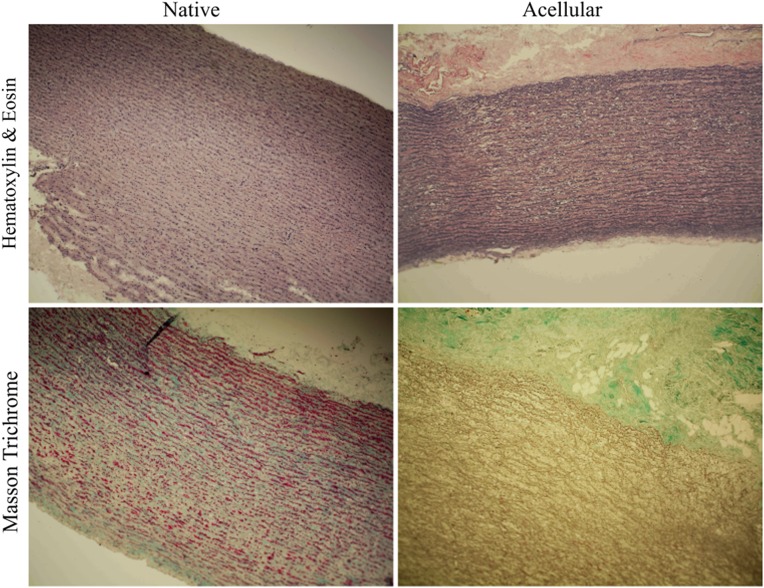
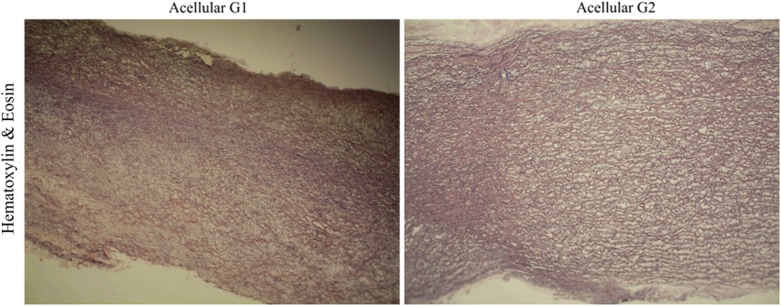
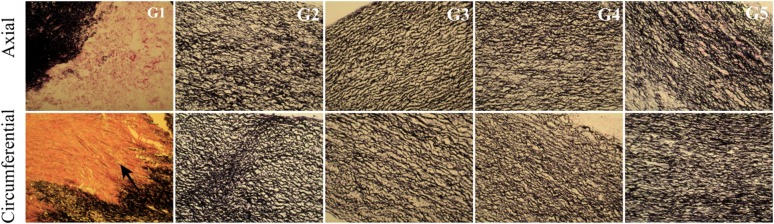
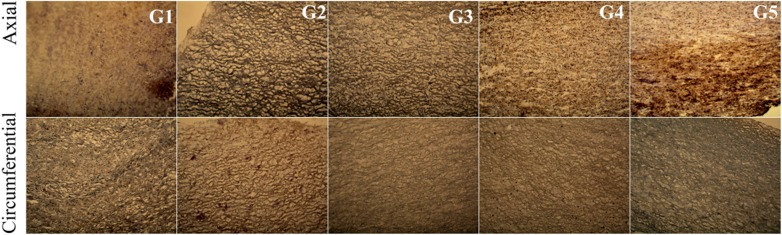
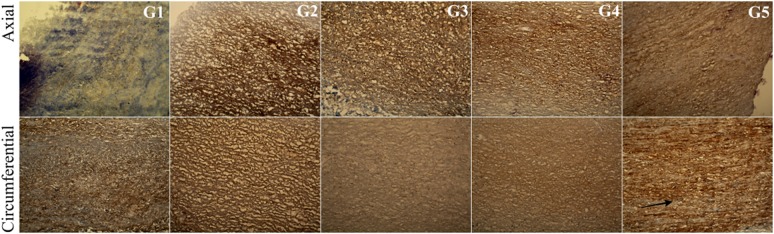
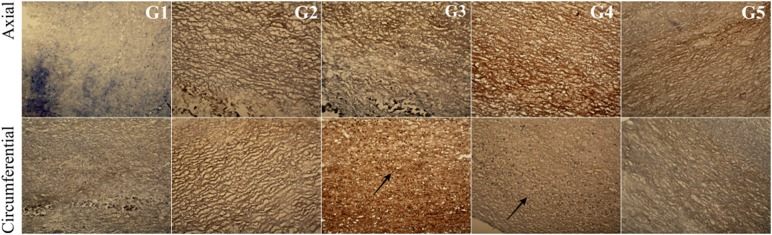
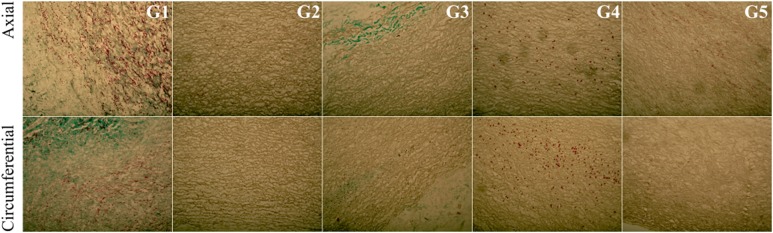
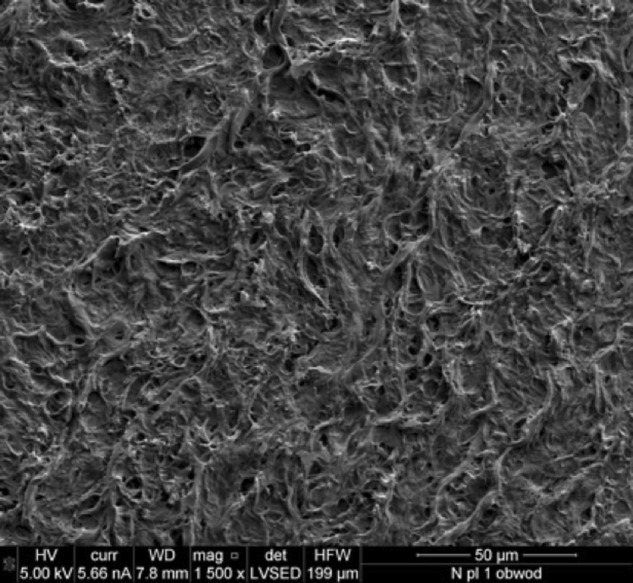
Currently available bioprosthetic heart valves have been successfully used clinically; however, they have several limitations. Alternatively, tissue-engineering techniques can be used. However, there are limited data concerning the impact of storage conditions of scaffolds on their biomechanics and morphology. The aim of this study was to determine the effect of different storage conditions on the biomechanics and morphology of pulmonary valve dedicated for the acellular scaffold preparation to achieve optimal conditions to obtain stable heart valve prostheses. Scaffold can then be used for the construction of tissue-engineered heart valve, for this reason evaluation of these parameters can determine the success of the clinical application this type of bioprosthesis. Pulmonary heart valves were collected from adult porcines. Materials were divided into five groups depending on the storage conditions. Biomechanical tests were performed, both the static tensile test, and examination of viscoelastic properties. Extracellular matrix morphology was evaluated using transmission electron microscopy and immunohistochemistry. Tissue stored at 4 °C exhibited a higher modulus of elasticity than the control (native) and fresh acellular, which indicated the stiffening of the tissue and changes of the viscoelastic properties. Such changes were not observed in the radial direction. Percent strain was not significantly different in the study groups. The storage conditions affected the acellularization efficiency and tissue morphology. To the best of our knowledge, this study is the first that attributes the mechanical properties of pulmonary valve tissue to the biomechanical changes in the collagen network due to different storage conditions. Storage conditions of scaffolds for tissue-engineered heart valves may have a significant impact on the haemodynamic and clinical effects of the used bioprostheses.
目前可用的生物假体心脏瓣膜已在临床上成功应用;然而,它们存在一些局限性。或者,可以使用组织工程技术。然而,关于支架储存条件对其生物力学和形态的影响的数据有限。本研究旨在确定不同储存条件对专用脱细胞支架制备肺动脉瓣生物力学和形态的影响,以获得稳定心脏瓣膜假体的最佳条件。然后可以使用支架来构建组织工程心脏瓣膜,因此评估这些参数可以确定这种生物假体的临床应用的成功。从成年猪中收集肺动脉瓣。根据储存条件将材料分为五组。进行了生物力学测试,包括静态拉伸测试和粘弹性测试。使用透射电子显微镜和免疫组织化学评估细胞外基质形态。在 4°C 下储存的组织表现出比对照(天然)和新鲜脱细胞更高的弹性模量,这表明组织变硬和粘弹性发生变化。在径向方向没有观察到这种变化。在研究组中,应变百分比没有显著差异。储存条件影响脱细胞效率和组织形态。据我们所知,这项研究首次将肺动脉瓣组织的力学性能归因于不同储存条件下胶原网络的生物力学变化。用于组织工程心脏瓣膜的支架的储存条件可能对所使用的生物假体的血液动力学和临床效果有重大影响。