Kim Ki Hyun, Lee Dahae, Lee Hye Lim, Kim Chang-Eop, Jung Kiwon, Kang Ki Sung
School of Pharmacy, Sungkyunkwan University, Suwon, Republic of Korea.
College of Korean Medicine, Gachon University, Seongnam, Republic of Korea.
J Ginseng Res. 2018 Jul;42(3):239-247. doi: 10.1016/j.jgr.2017.03.011. Epub 2017 Apr 15.
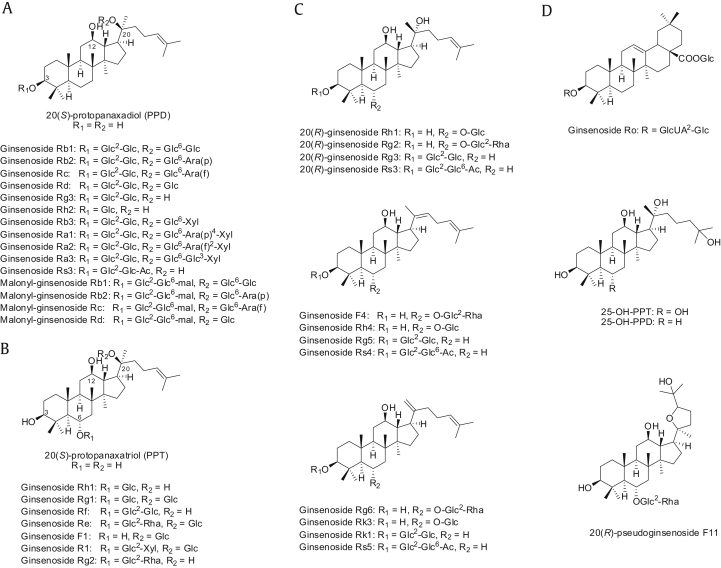
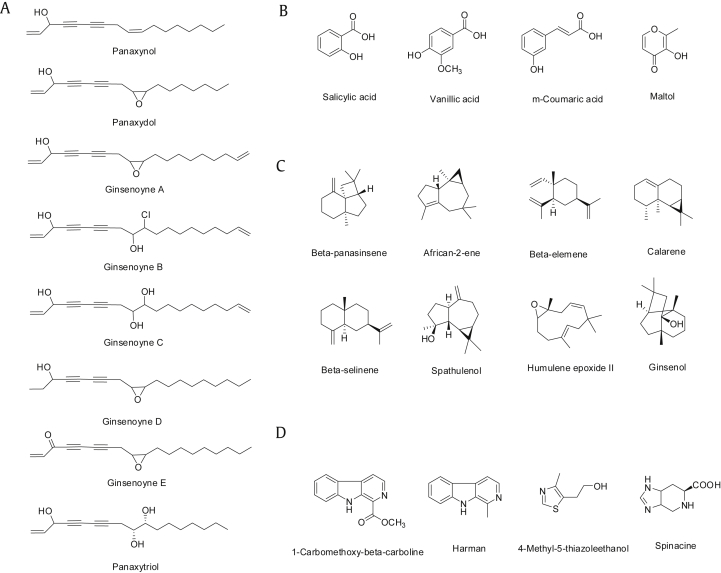
In recent years, several therapeutic drugs have been rationally designed and synthesized based on the novel knowledge gained from investigating the actions of biologically active chemicals derived from foods, plants, and medicinal herbs. One of the major advantages of these naturalistic chemicals is their ability to interact with multiple targets in the body resulting in a combined beneficial effect. Ginseng is a perennial herb (Araliaceae family), a species within the genus , and a highly valued and popular medicinal plant. Evidence for the medicinal and health benefits of and its components in preventing neurodegeneration has increased significantly in the past decade. The beneficial effects of on neurodegenerative diseases have been attributed primarily to the antioxidative and immunomodulatory activities of its ginsenoside components. Mechanistic studies on the neuroprotective effects of ginsenosides revealed that they act not only as antioxidants but also as modulators of intracellular neuronal signaling and metabolism, cell survival/death genes, and mitochondrial function. The goal of the present paper is to provide a brief review of recent knowledge and developments concerning the beneficial effects as well as the mechanism of action of and its components in the treatment and prevention of neurodegenerative diseases.
近年来,基于对源自食物、植物和草药的生物活性化学物质作用的新认识,人们合理设计并合成了几种治疗药物。这些天然化学物质的主要优点之一是它们能够与体内多个靶点相互作用,从而产生综合有益效果。人参是一种多年生草本植物(五加科),属于人参属,是一种备受重视且广受欢迎的药用植物。在过去十年中,人参及其成分在预防神经退行性变方面的药用和健康益处的证据显著增加。人参对神经退行性疾病的有益作用主要归因于其人参皂苷成分的抗氧化和免疫调节活性。关于人参皂苷神经保护作用的机制研究表明,它们不仅作为抗氧化剂起作用,还作为细胞内神经元信号传导和代谢、细胞存活/死亡基因以及线粒体功能的调节剂。本文的目的是简要综述关于人参及其成分在治疗和预防神经退行性疾病方面的有益作用以及作用机制的最新知识和进展。