RIKILT Wageningen University & Research, Akkermaalsbos 2, 6708 WB Wageningen, The Netherlands.
Horta srl, via Egidio Gorra 55, 29122 Piacenza, Italy.
Toxins (Basel). 2018 Jul 2;10(7):267. doi: 10.3390/toxins10070267.
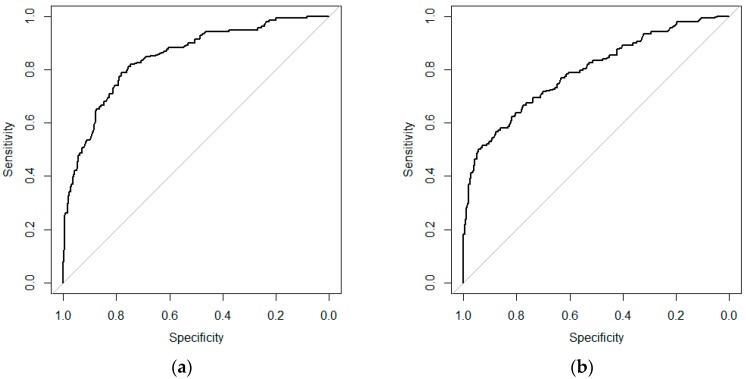
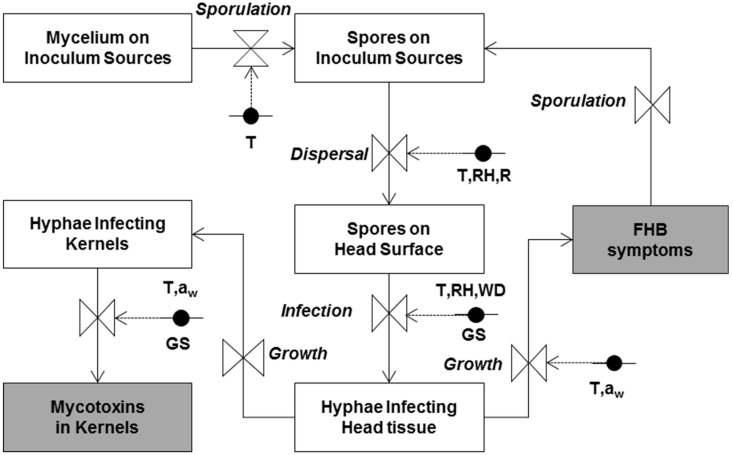
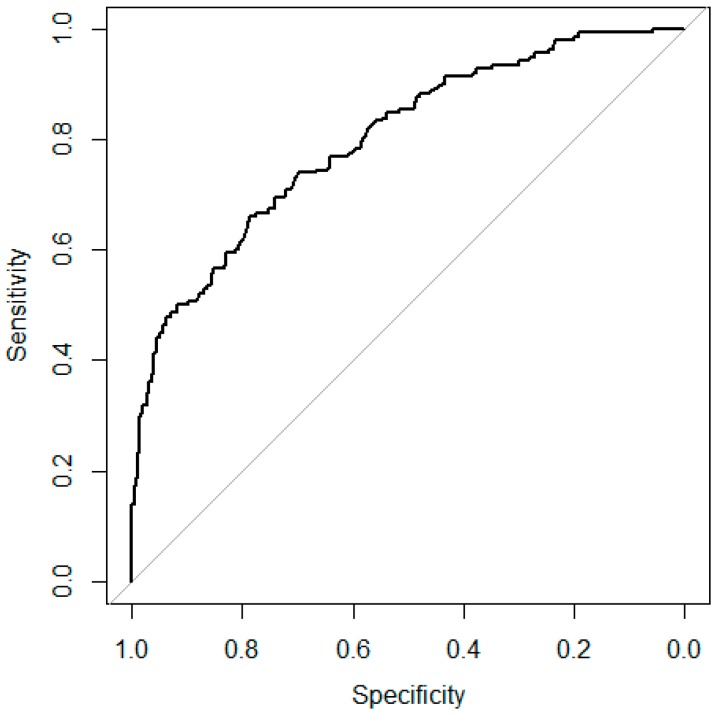
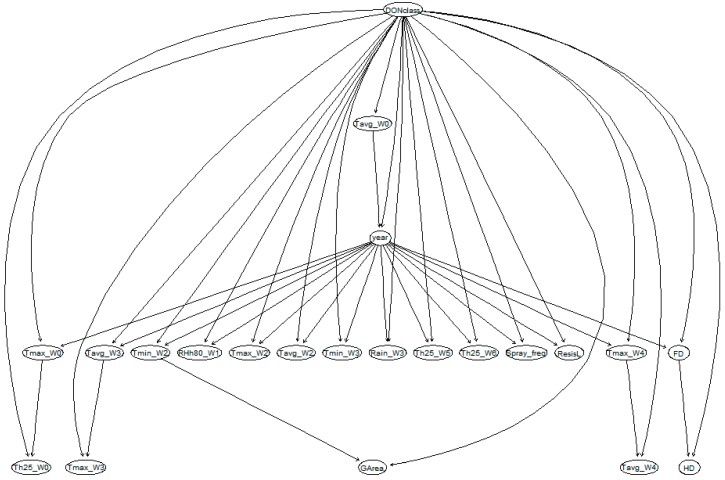
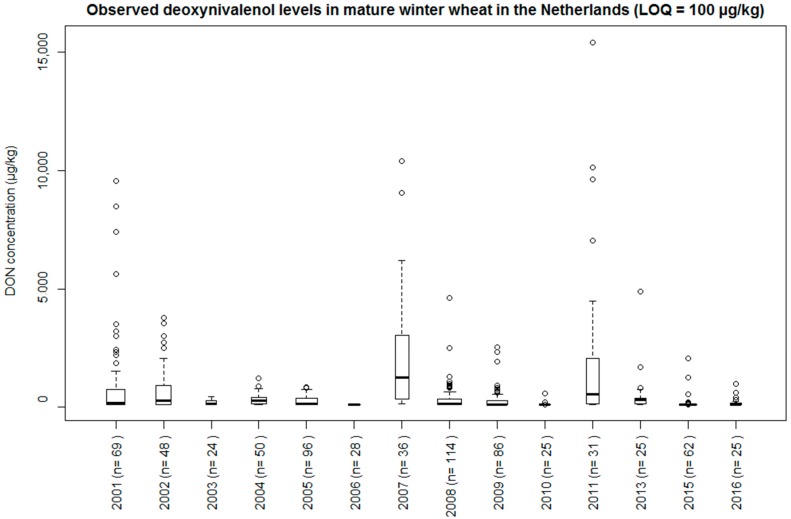
Forecasting models for mycotoxins in cereal grains during cultivation are useful for pre-harvest and post-harvest mycotoxin management. Some of such models for deoxynivalenol (DON) in wheat, using two different modelling techniques, have been published. This study aimed to compare and cross-validate three different modelling approaches for predicting DON in winter wheat using data from the Netherlands as a case study. To this end, a published empirical model was updated with a new mixed effect logistic regression method. A mechanistic model for wheat in Italy was adapted to the Dutch situation. A new Bayesian network model was developed to predict DON in wheat. In developing the three models, the same dataset was used, including agronomic and weather data, as well as DON concentrations of individual samples in the Netherlands over the years 2001⁻2013 (625 records). Similar data from 2015 and 2016 (86 records) were used for external independent validation. The results showed that all three modelling approaches provided good accuracy in predicting DON in wheat in the Netherlands. The empirical model showed the highest accuracy (88%). However, this model is highly location and data-dependent, and can only be run if all of the input data are available. The mechanistic model provided 80% accuracy. This model is easier to implement in new areas given similar mycotoxin-producing fungal populations. The Bayesian network model provided 86% accuracy. Compared with the other two models, this model is easier to implement when input data are incomplete. In future research, the three modelling approaches could be integrated to even better support decision-making in mycotoxin management.
在谷物种植过程中预测真菌毒素的模型对于收获前和收获后真菌毒素管理很有用。已经发表了一些使用两种不同建模技术的小麦脱氧雪腐镰刀菌烯醇(DON)模型。本研究旨在使用荷兰的数据比较和交叉验证三种不同的预测冬小麦 DON 的建模方法。为此,使用新的混合效应逻辑回归方法更新了已发表的经验模型。适应荷兰情况的意大利小麦的机制模型。开发了一种新的贝叶斯网络模型来预测小麦中的 DON。在开发这三个模型时,使用了相同的数据集,包括农业和气象数据以及荷兰在 2001-2013 年(625 个记录)期间个别样本中 DON 浓度的信息。还使用了 2015 年和 2016 年(86 个记录)的类似数据进行外部独立验证。结果表明,这三种建模方法在预测荷兰小麦中的 DON 方面都具有很好的准确性。经验模型的准确性最高(88%)。然而,该模型高度依赖于位置和数据,只有在所有输入数据都可用的情况下才能运行。机制模型的准确率为 80%。在具有类似产毒真菌种群的新地区,该模型更容易实施。贝叶斯网络模型的准确率为 86%。与其他两种模型相比,当输入数据不完整时,该模型更容易实施。在未来的研究中,可以整合这三种建模方法,以更好地支持真菌毒素管理中的决策。