Sadek Eman Mostafa, Salama Nagla Mohamed, Ismail Dalia Ibrahim, Elshafei Asmaa Ahmed
Histology Department, Faculty of Medicine, Cairo University, Cairo, Egypt.
J Microsc Ultrastruct. 2016 Jul-Sep;4(3):133-142. doi: 10.1016/j.jmau.2015.12.003. Epub 2015 Dec 31.
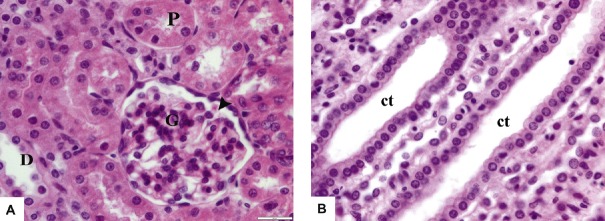
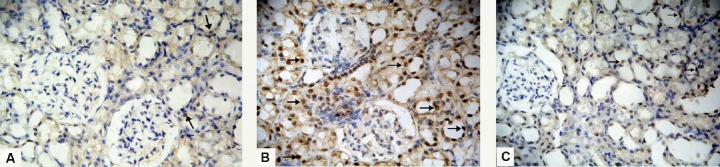
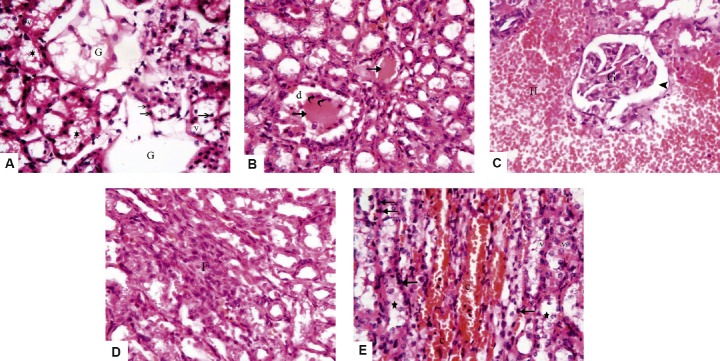
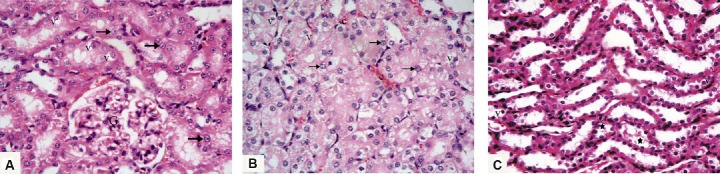
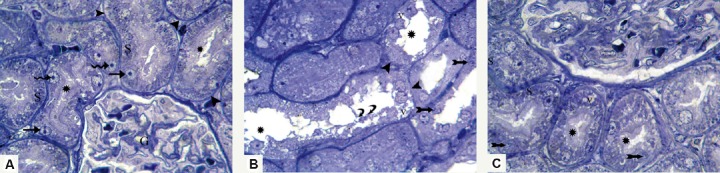
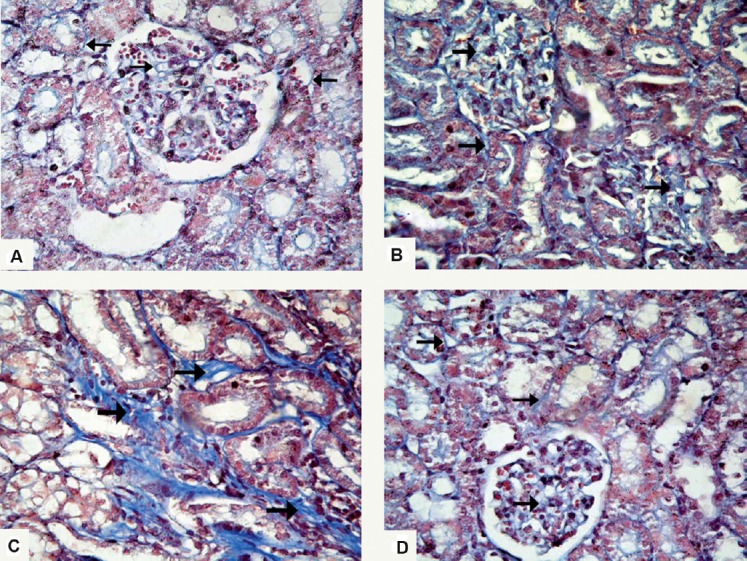
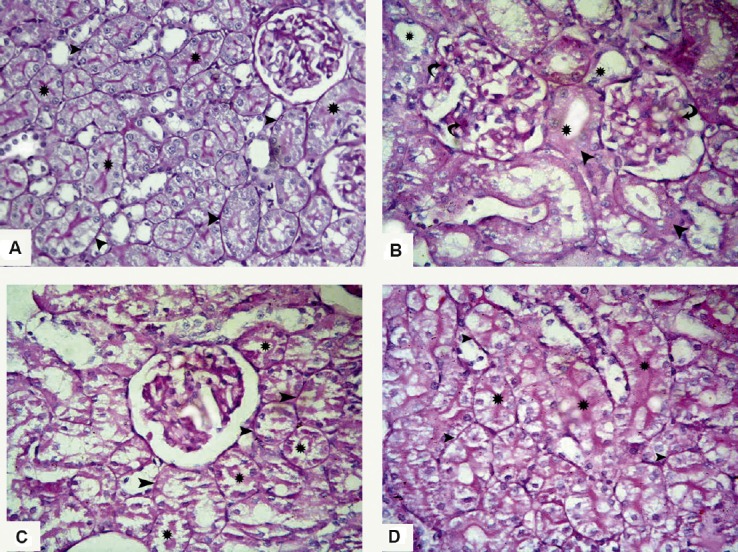
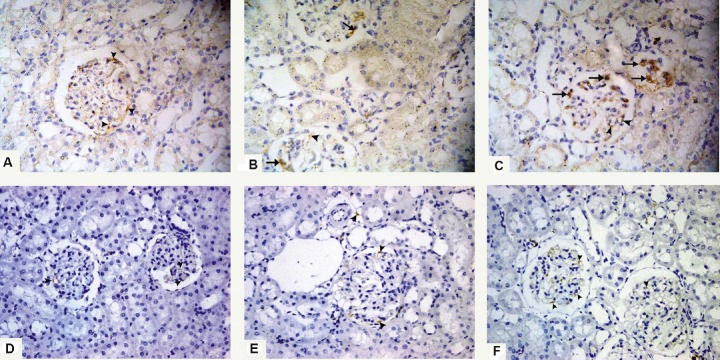
Chronic kidney disease is a global health problem with increasing morbidity and mortality. Therefore, this study was planned to test the protective effect of hematopoietic-stem-cell mobilization by granulocyte colony-stimulating factor (G-CSF) on Adriamycin (ADR)-induced chronic renal disease in rats. Thirty albino rats were equally divided into three groups: control, ADR group [rats received a single intravenous injection of ADR (5 mg/kg)], and G-CSF group [rats received ADR by the same route and the same dose as the previous group, and then G-CSF (70 μg/kg/d) 2 hours after ADR injection then daily for five consecutive days]. At the time of sacrifice (after 6 weeks), blood samples were taken to estimate the blood urea nitrogen and serum creatinine. Kidney sections were stained with hematoxylin and eosin, toluidine blue, Masson's trichrome, periodic acid-Schiff stains, and immunohistochemical staining against CD34 and caspase-3. The G-CSF group exhibited protection against renal injury manifested by reducing blood urea nitrogen and serum-creatinine levels, improving histological architecture, and increasing the proliferative capacity of renal tubules.
慢性肾脏病是一个发病率和死亡率不断上升的全球性健康问题。因此,本研究旨在测试粒细胞集落刺激因子(G-CSF)动员造血干细胞对阿霉素(ADR)诱导的大鼠慢性肾病的保护作用。30只白化病大鼠平均分为三组:对照组、ADR组[大鼠接受单次静脉注射ADR(5mg/kg)]和G-CSF组[大鼠接受与前一组相同途径和相同剂量的ADR,然后在ADR注射后2小时给予G-CSF(70μg/kg/d),连续5天每天给药]。在处死时(6周后),采集血样以评估血尿素氮和血清肌酐。肾脏切片用苏木精和伊红、甲苯胺蓝、马松三色染色、过碘酸-希夫染色以及针对CD34和半胱天冬酶-3的免疫组织化学染色。G-CSF组表现出对肾损伤的保护作用,表现为血尿素氮和血清肌酐水平降低、组织学结构改善以及肾小管增殖能力增强。