Liverpool Pancreatitis Research Group, Royal Liverpool University Hospital and Institute of Translational Medicine, University of Liverpool, Liverpool, UK.
Department of Cellular and Molecular Physiology, University of Liverpool, Liverpool, UK.
J Cell Mol Med. 2018 Oct;22(10):4617-4629. doi: 10.1111/jcmm.13797. Epub 2018 Aug 7.
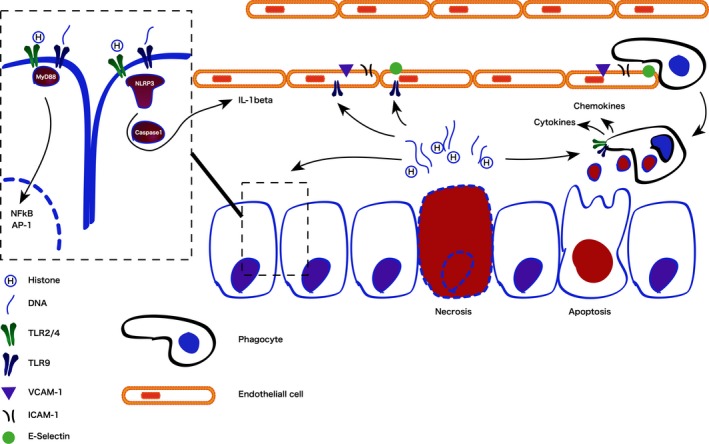
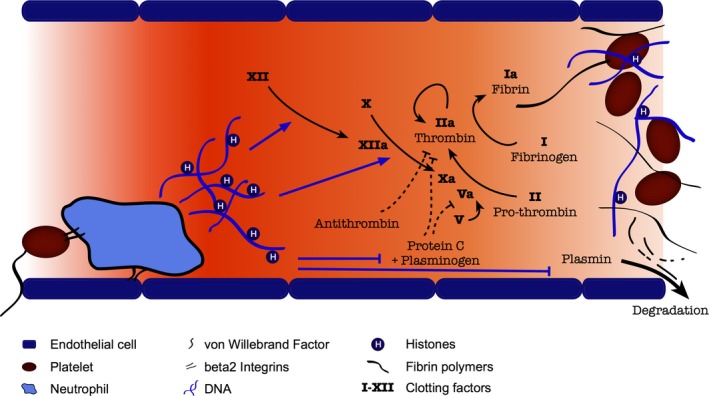
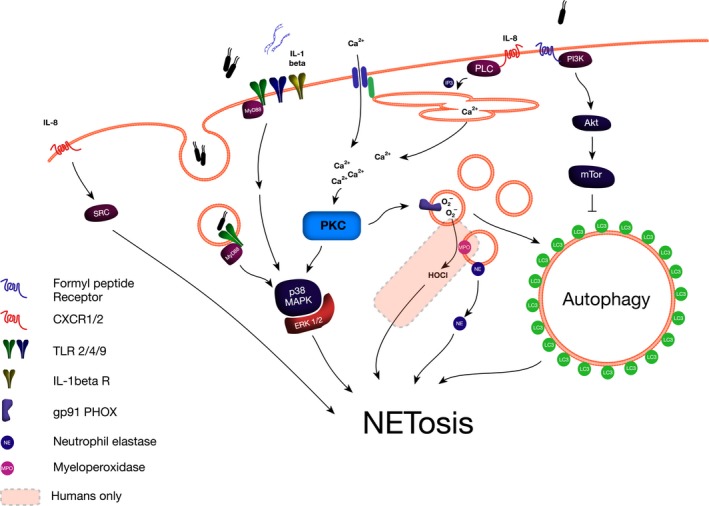
Histones are positively charged nuclear proteins that facilitate packaging of DNA into nucleosomes common to all eukaryotic cells. Upon cell injury or cell signalling processes, histones are released passively through cell necrosis or actively from immune cells as part of extracellular traps. Extracellular histones function as microbicidal proteins and are pro-thrombotic, limiting spread of infection or isolating areas of injury to allow for immune cell infiltration, clearance of infection and initiation of tissue regeneration and repair. Histone toxicity, however, is not specific to microbes and contributes to tissue and end-organ injury, which in cases of systemic inflammation may lead to organ failure and death. This review details the processes of histones release in acute inflammation, the mechanisms of histone-related tissue toxicity and current and future strategies for therapy targeting histones in acute inflammatory diseases.
组蛋白是带正电荷的核蛋白,可促进 DNA 包装成所有真核细胞共有的核小体。在细胞损伤或细胞信号转导过程中,组蛋白通过细胞坏死被动释放,或作为细胞外陷阱的一部分由免疫细胞主动释放。细胞外组蛋白作为杀菌蛋白发挥作用,具有促血栓形成作用,可以限制感染的扩散或隔离损伤区域,从而允许免疫细胞浸润、清除感染并启动组织再生和修复。然而,组蛋白毒性不仅针对微生物,还会导致组织和终末器官损伤,在全身性炎症的情况下,可能导致器官衰竭和死亡。本文详细介绍了急性炎症中组蛋白释放的过程、组蛋白相关组织毒性的机制,以及针对急性炎症性疾病中组蛋白的当前和未来治疗策略。