Department of Infection and Immunity, King Faisal Specialist Hospital and Research Centre, Riyadh, Saudi Arabia.
Biosciences, College of Health and Life Sciences, Brunel University London, Uxbridge, United Kingdom.
Front Immunol. 2018 Jul 30;9:1586. doi: 10.3389/fimmu.2018.01586. eCollection 2018.
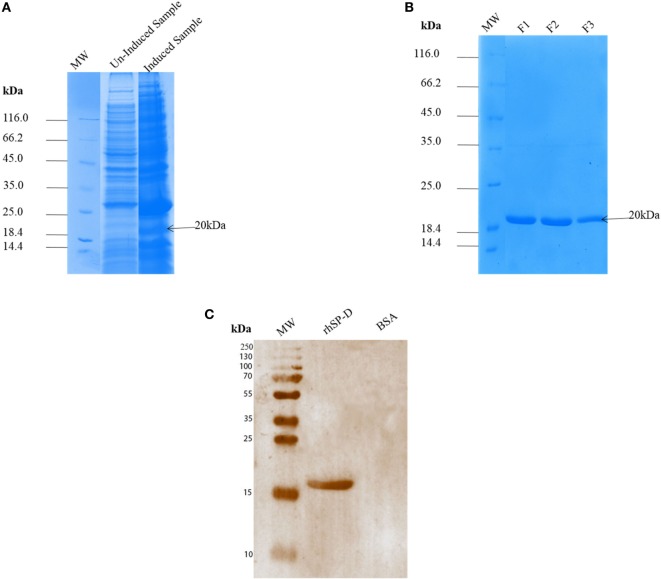
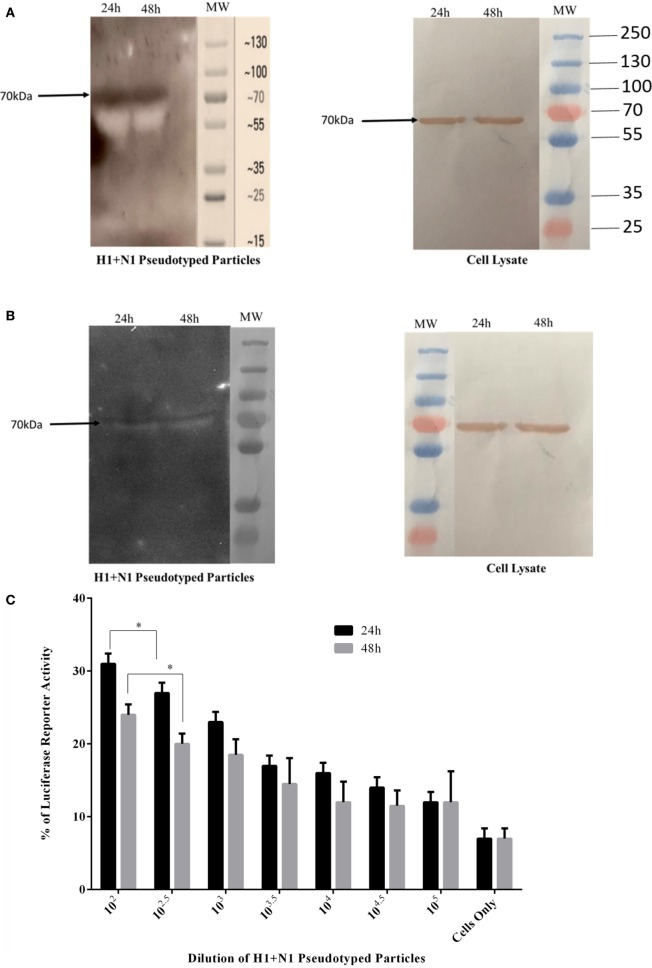
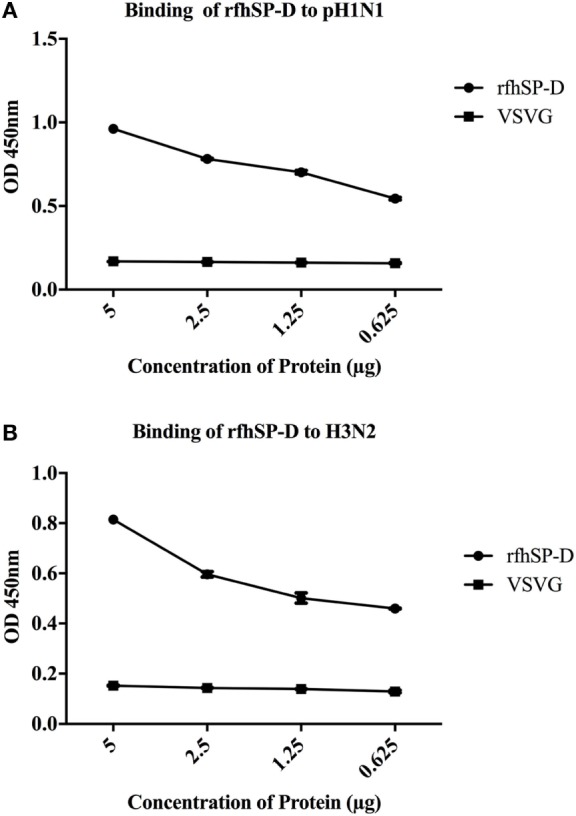
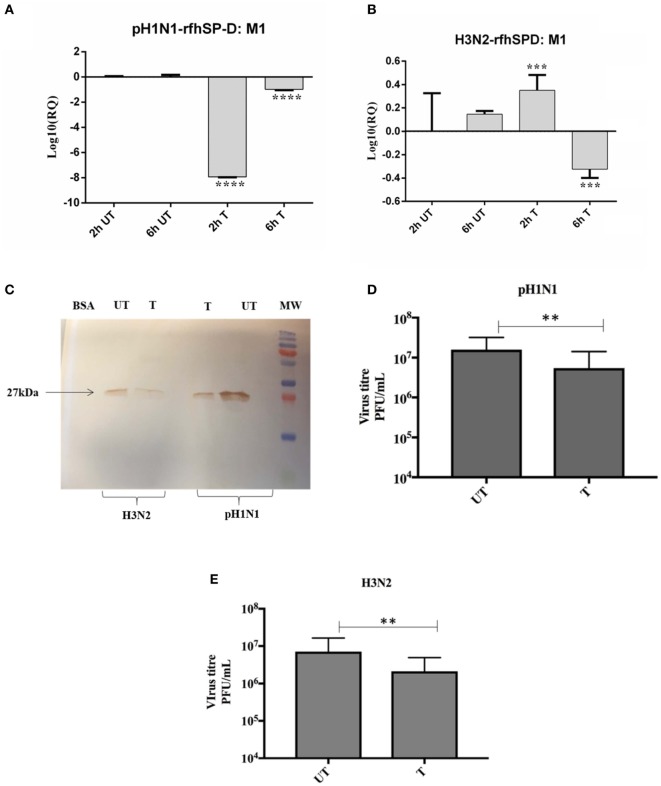
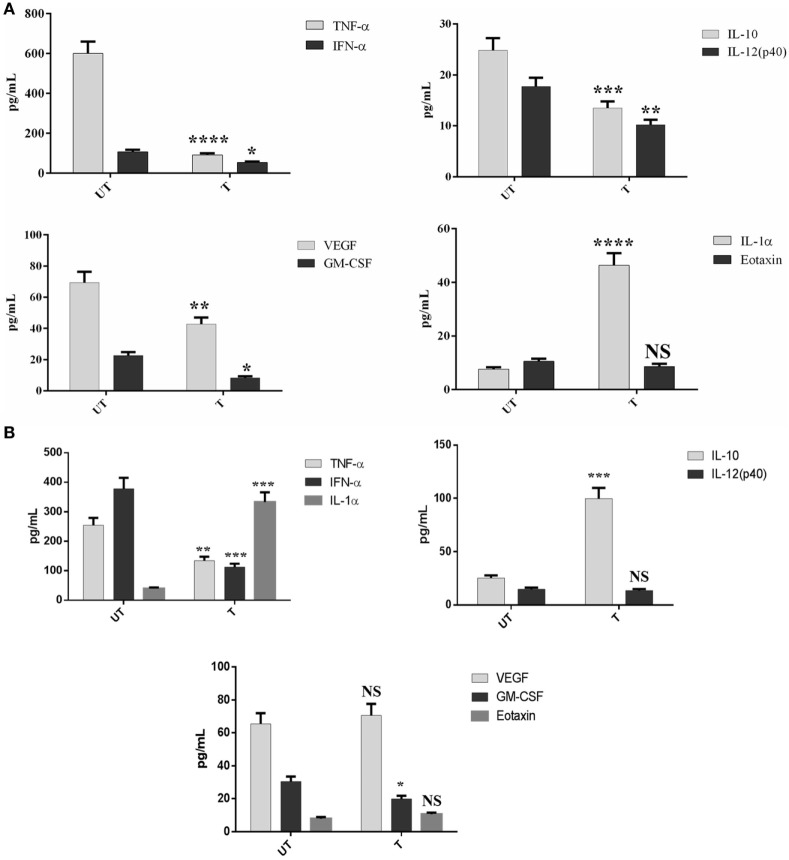
Surfactant protein D (SP-D) is expressed in the mucosal secretion of the lung and contributes to the innate host defense against a variety of pathogens, including influenza A virus (IAV). SP-D can inhibit hemagglutination and infectivity of IAV, in addition to reducing neuraminidase (NA) activity via its carbohydrate recognition domain (CRD) binding to carbohydrate patterns (N-linked mannosylated) on NA and hemagglutinin (HA) of IAV. Here, we demonstrate that a recombinant fragment of human SP-D (rfhSP-D), containing homotrimeric neck and CRD regions, acts as an entry inhibitor of IAV and downregulates M1 expression considerably in A549 cells challenged with IAV of H1N1 and H3N2 subtypes at 2 h treatment. In addition, rfhSP-D downregulated mRNA levels of TNF-α, IFN-α, IFN-β, IL-6, and RANTES, particularly during the initial stage of IAV infection of A549 cell line. rfhSP-D also interfered with IAV infection of Madin Darby canine kidney (MDCK) cells through HA binding. Furthermore, rfhSP-D was found to reduce luciferase reporter activity in MDCK cells transduced with H1+N1 pseudotyped lentiviral particles, where 50% of reduction was observed with 10 µg/ml rfhSP-D, suggestive of a critical role of rfhSP-D as an entry inhibitor against IAV infectivity. Multiplex cytokine array revealed that rfhSP-D treatment of IAV challenged A549 cells led to a dramatic suppression of key pro-inflammatory cytokines and chemokines. In the case of pH1N1, TNF-α, IFN-α, IL-10, IL-12 (p40), VEGF, GM-CSF, and eotaxin were considerably suppressed by rfhSP-D treatment at 24 h. However, these suppressive effects on IL-10, VEGF, eotaxin and IL-12 (p40) were not so evident in the case of H3N2 subtype, with the exception of TNF-α, IFN-α, and GM-CSF. These data seem to suggest that the extent of immunomodulatory effect of SP-D on host cells can vary considerably in a IAV subtype-specific manner. Thus, rfhSP-D treatment can downregulate pro-inflammatory milieu encouraged by IAV that otherwise causes aberrant inflammatory cell recruitment leading to cell death and lung damage.
表面活性蛋白 D (SP-D) 在肺部的黏膜分泌物中表达,有助于先天宿主防御多种病原体,包括甲型流感病毒 (IAV)。SP-D 可以抑制 IAV 的血凝和感染性,此外还可以通过其碳水化合物识别域 (CRD) 与 IAV 的神经氨酸酶 (NA) 和血凝素 (HA) 上的碳水化合物模式 (N-连接甘露糖基化) 结合来降低 NA 活性。在这里,我们证明了包含三聚体颈区和 CRD 区的人源 SP-D 重组片段 (rfhSP-D) 可作为 IAV 的进入抑制剂,并在 2 小时处理时显着下调 A549 细胞中受到 H1N1 和 H3N2 亚型 IAV 攻击时的 M1 表达。此外,rfhSP-D 在 IAV 感染 A549 细胞系的初始阶段还下调了 TNF-α、IFN-α、IFN-β、IL-6 和 RANTES 的 mRNA 水平。rfhSP-D 还通过与 HA 结合干扰 MDCK 细胞中 IAV 的感染。此外,发现 rfhSP-D 减少了转导了 H1+N1 假型慢病毒颗粒的 MDCK 细胞中的荧光素酶报告基因活性,其中用 10 μg/ml rfhSP-D 观察到 50%的减少,表明 rfhSP-D 作为 IAV 感染性的进入抑制剂具有重要作用。多重细胞因子阵列显示,rfhSP-D 处理受到 IAV 攻击的 A549 细胞导致关键促炎细胞因子和趋化因子的显著抑制。在 pH1N1 的情况下,TNF-α、IFN-α、IL-10、IL-12(p40)、VEGF、GM-CSF 和嗜酸性粒细胞趋化因子在 rfhSP-D 处理 24 小时后受到明显抑制。然而,在 H3N2 亚型的情况下,除了 TNF-α、IFN-α 和 GM-CSF 之外,IL-10、VEGF、嗜酸性粒细胞趋化因子和 IL-12(p40)的这些抑制作用并不明显。这些数据似乎表明,SP-D 对宿主细胞的免疫调节作用的程度在 IAV 亚型特异性方面可能有很大差异。因此,rfhSP-D 处理可以下调 IAV 引起的促炎环境,否则会导致异常的炎症细胞募集,导致细胞死亡和肺损伤。