Institute of Cancer and Inflammation Research, University of Southern Denmark, Odense, Denmark.
Department of Pathology, Odense University Hospital, Odense, Denmark.
Front Immunol. 2018 Jul 31;9:1757. doi: 10.3389/fimmu.2018.01757. eCollection 2018.
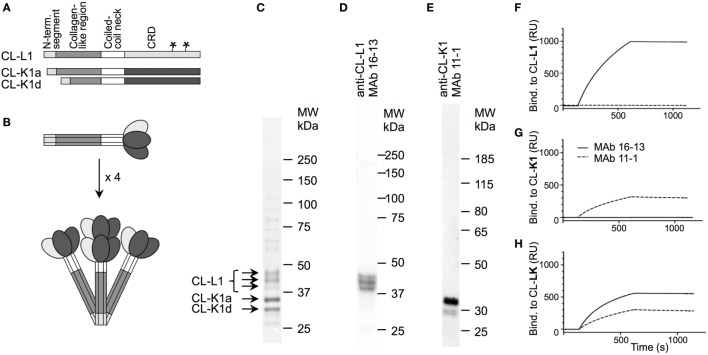
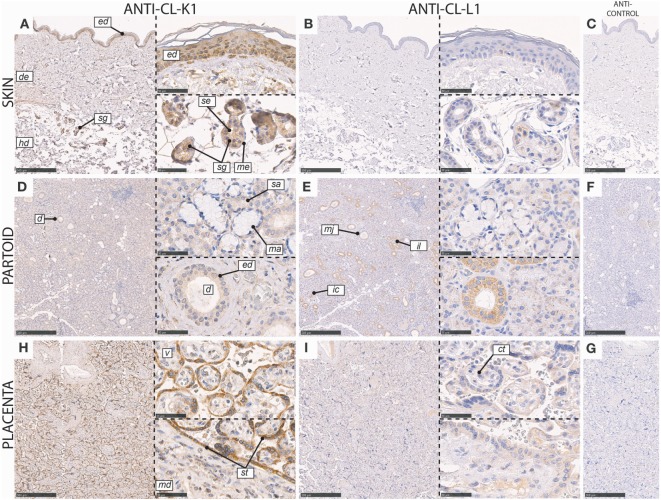
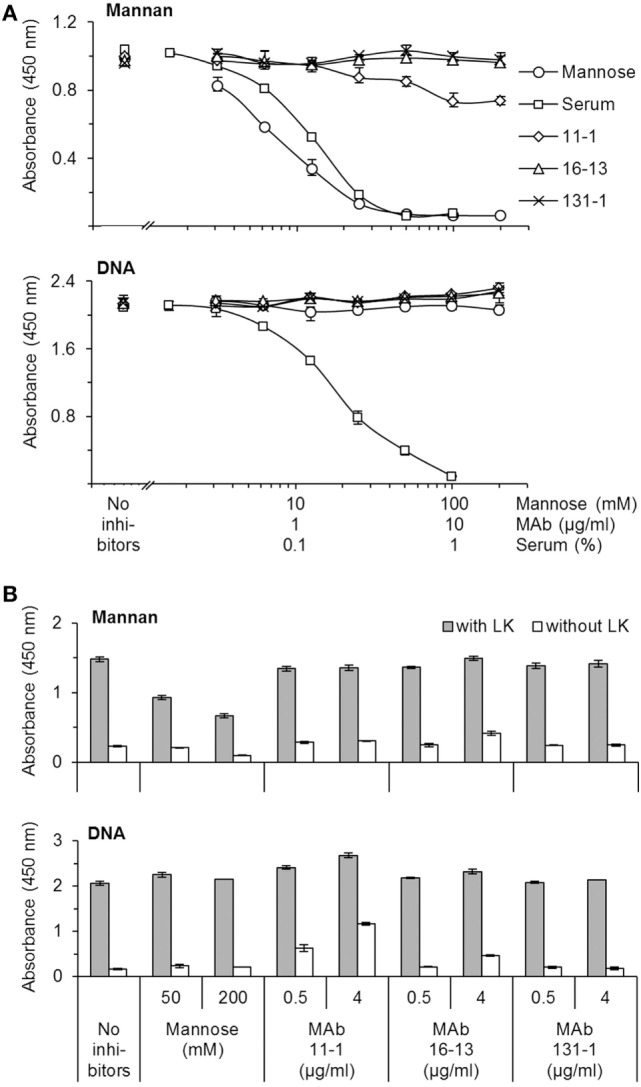
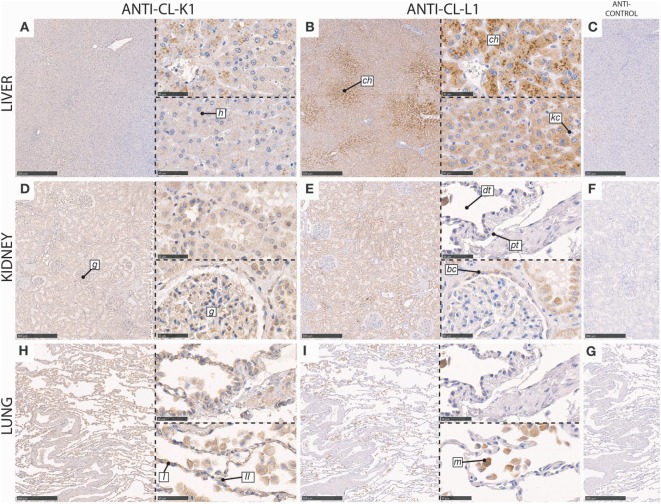
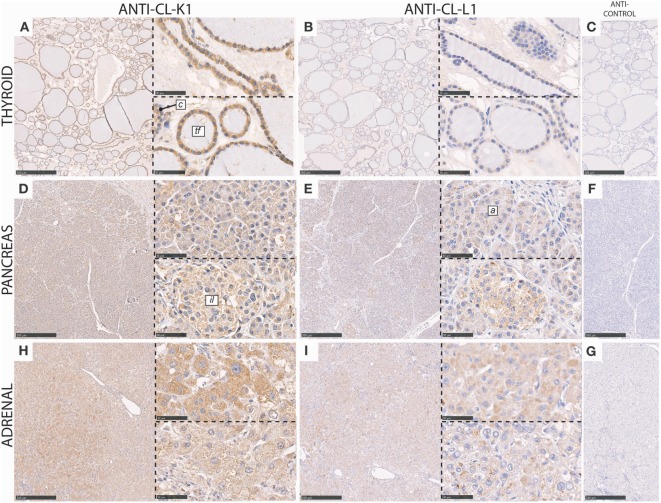
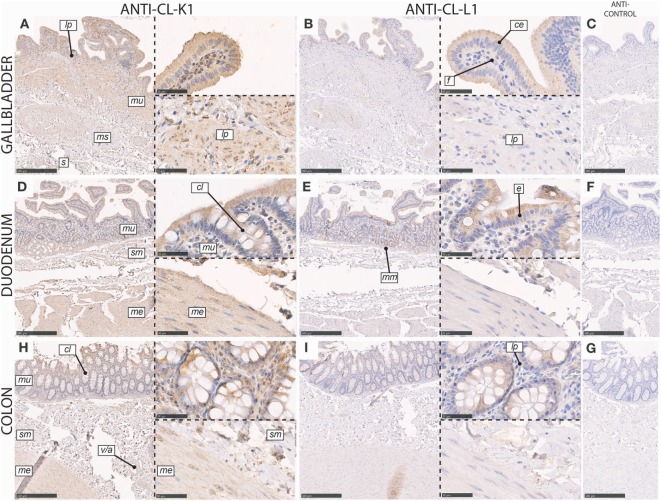
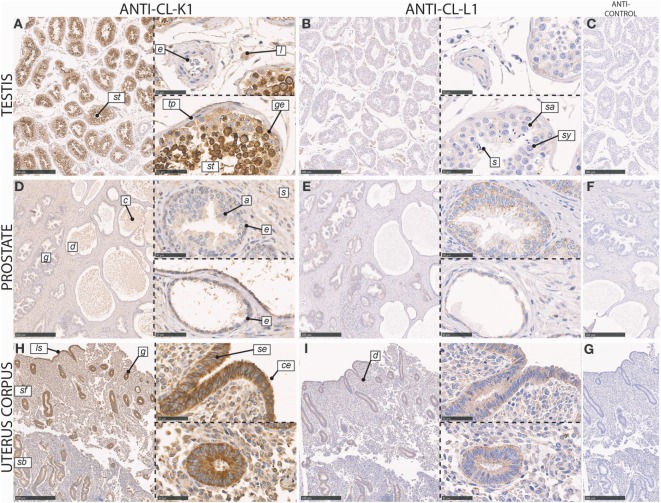
Collectin liver 1 (CL-L1, alias collectin 10) and collectin kidney 1 (CL-K1, alias collectin 11) are oligomeric pattern recognition molecules associated with the complement system, and mutations in either of their genes may lead to deficiency and developmental defects. The two collectins are reportedly localized and synthesized in the liver, kidneys, and adrenals, and can be found in the circulation as heteromeric complexes (CL-LK), which upon binding to microbial high mannose-like glycoconjugates activates the complement system the lectin activation pathway. The tissue distribution of homo- vs. heteromeric CL-L1 and -K1 complexes, the mechanism of heteromeric complex formation and in which tissues this occurs, is hitherto incompletely described. We have by immunohistochemistry using monoclonal antibodies addressed the precise cellular localization of the two collectins in the main human tissues. We find that the two collectins have widespread and almost identical tissue distribution with a high expression in epithelial cells in endo-/exocrine secretory tissues and mucosa. There is also accordance between localization of mRNA transcripts and detection of proteins, showing that local synthesis likely is responsible for peripheral localization and eventual formation of the CL-LK complexes. The functional implications of the high expression in endo-/exocrine secretory tissue and mucosa is unknown but might be associated with the activity of MASP-3, which has a similar pattern of expression and is known to potentiate the activity of the alternative complement activation pathway.
收集素肝脏 1(CL-L1,别名收集素 10)和收集素肾脏 1(CL-K1,别名收集素 11)是与补体系统相关的寡聚模式识别分子,其基因的突变可能导致其缺乏和发育缺陷。据报道,这两种收集素定位于肝脏、肾脏和肾上腺,并在循环中作为异源二聚体复合物(CL-LK)合成,该复合物与微生物高甘露糖样糖缀合物结合后激活补体系统的凝集素激活途径。同源和异源 CL-L1 和 -K1 复合物的组织分布、异源复合物形成的机制以及在哪些组织中发生该复合物形成,迄今尚未完全描述。我们使用单克隆抗体通过免疫组织化学方法解决了这两种收集素在主要人类组织中的精确细胞定位问题。我们发现,这两种收集素具有广泛且几乎相同的组织分布,在内外分泌分泌组织和粘膜的上皮细胞中表达水平较高。mRNA 转录本的定位与蛋白质的检测之间也存在一致性,表明局部合成可能负责外周定位和最终形成 CL-LK 复合物。在外分泌/内分泌分泌组织和粘膜中高表达的功能意义尚不清楚,但可能与 MASP-3 的活性有关,MASP-3 具有相似的表达模式,已知可增强替代补体激活途径的活性。