Section of Virology, Faculty of Medicine, Norfolk Place, London, United Kingdom.
Division of Infection and Immunity, University College London, London, United Kingdom.
J Virol. 2018 Oct 29;92(22). doi: 10.1128/JVI.01132-18. Print 2018 Nov 15.
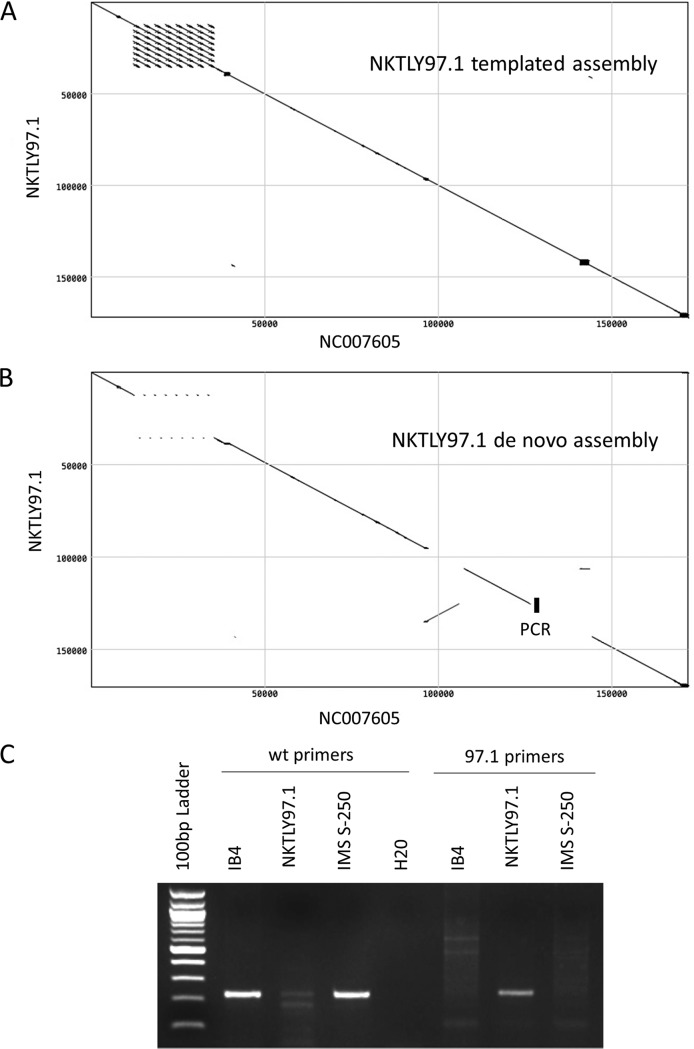
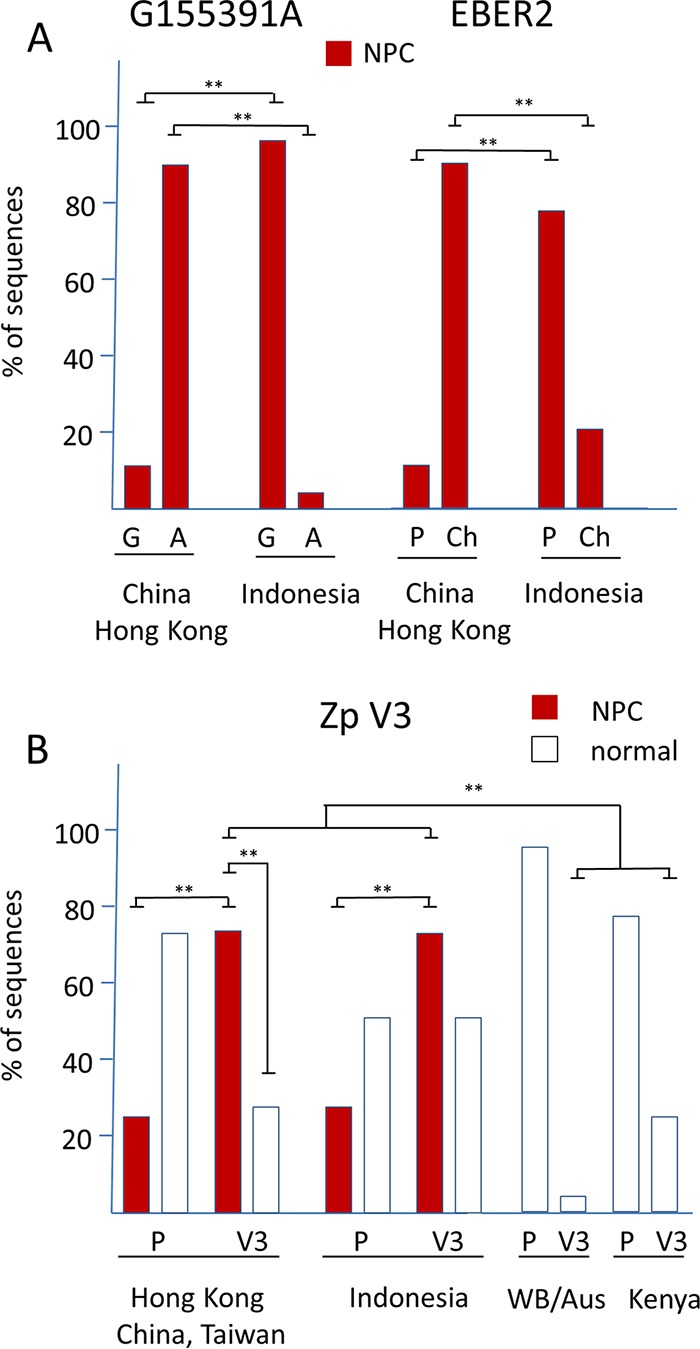
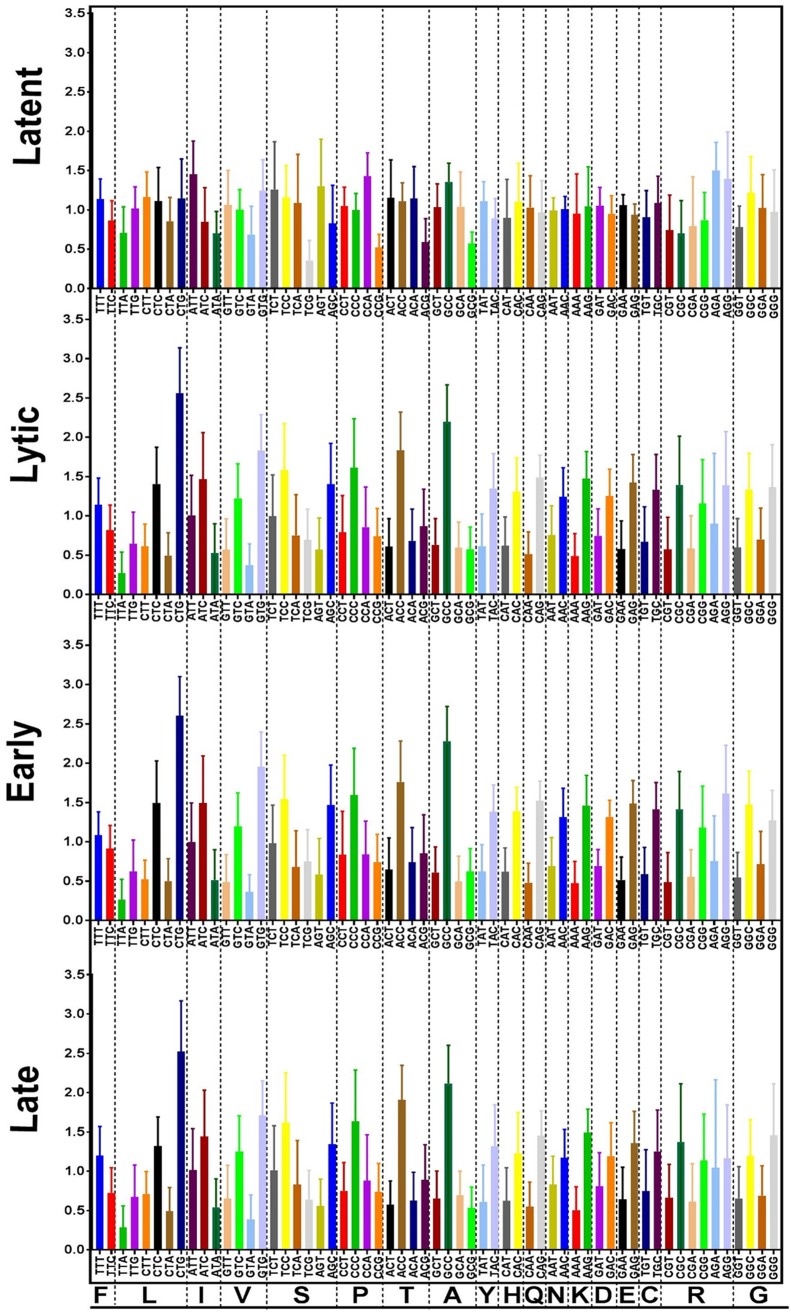
One hundred thirty-eight new Epstein-Barr virus (EBV) genome sequences have been determined. One hundred twenty-five of these and 116 from previous reports were combined to produce a multiple-sequence alignment of 241 EBV genomes, which we have used to analyze variation within the viral genome. The type 1/type 2 classification of EBV remains the major form of variation and is defined mostly by EBNA2 and EBNA3, but the type 2 single-nucleotide polymorphisms (SNPs) at the EBNA3 locus extend into the adjacent gp350 and gp42 genes, whose products mediate infection of B cells by EBV. A small insertion within the BART microRNA region of the genome was present in 21 EBV strains. EBV from saliva of U.S. patients with chronic active EBV infection aligned with the wild-type EBV genome with no evidence of WZhet rearrangements. The V3 polymorphism in the Zp promoter for BZLF1 was found to be frequent in nasopharyngeal carcinoma cases from both Hong Kong and Indonesia. Codon usage was found to differ between latent and lytic cycle EBV genes, and the main forms of variation of the EBNA1 protein have been identified. Epstein-Barr virus causes most cases of infectious mononucleosis and posttransplant lymphoproliferative disease. It contributes to several types of cancer, including Hodgkin's lymphoma, Burkitt's lymphoma, diffuse large B cell lymphoma, nasopharyngeal carcinoma, and gastric carcinoma. EBV genome variation is important because some of the diseases associated with EBV have very different incidences in different populations and geographic regions, and differences in the EBV genome might contribute to these diseases. Some specific EBV genome alterations that appear to be significant in EBV-associated cancers are already known, and current efforts to make an EBV vaccine and antiviral drugs should also take account of sequence differences in the proteins used as targets.
已确定了 138 个新的 Epstein-Barr 病毒 (EBV) 基因组序列。将其中的 125 个和之前报告中的 116 个与其他序列相结合,生成了 241 个 EBV 基因组的多重序列比对,我们用其来分析病毒基因组中的变异。EBV 的 1 型/2 型分类仍然是主要的变异形式,主要由 EBNA2 和 EBNA3 定义,但 EBNA3 基因座的 2 型单核苷酸多态性 (SNP) 延伸到相邻的 gp350 和 gp42 基因,其产物介导 EBV 对 B 细胞的感染。基因组中 BART 微 RNA 区域内的一个小插入存在于 21 株 EBV 中。来自美国慢性活动性 EBV 感染患者的唾液中的 EBV 与野生型 EBV 基因组对齐,没有 WZhet 重排的证据。在香港和印度尼西亚的鼻咽癌病例中,发现 Zp 启动子中 BZLF1 的 V3 多态性很常见。发现潜伏和裂解周期 EBV 基因之间的密码子使用有所不同,并确定了 EBNA1 蛋白的主要变异形式。EBV 引起大多数传染性单核细胞增多症和移植后淋巴组织增生性疾病。它促成了几种癌症,包括霍奇金淋巴瘤、伯基特淋巴瘤、弥漫性大 B 细胞淋巴瘤、鼻咽癌和胃癌。EBV 基因组变异很重要,因为一些与 EBV 相关的疾病在不同人群和地理区域的发病率有很大差异,而 EBV 基因组的差异可能导致这些疾病。一些与 EBV 相关癌症中似乎很重要的特定 EBV 基因组改变已经为人所知,目前开发 EBV 疫苗和抗病毒药物的努力也应该考虑到用作靶标的蛋白质中的序列差异。