Xie Nina, Zhou Yafang, Sun Qiying, Tang Beisha
Department of Geriatric Neurology, Xiangya Hospital, Central South University, Changsha, Hunan 410008, China.
National Clinical Research Center for Geriatric Disorders, Central South University, Changsha, Hunan 410078, China.
Stem Cells Int. 2018 Jul 8;2018:7834175. doi: 10.1155/2018/7834175. eCollection 2018.
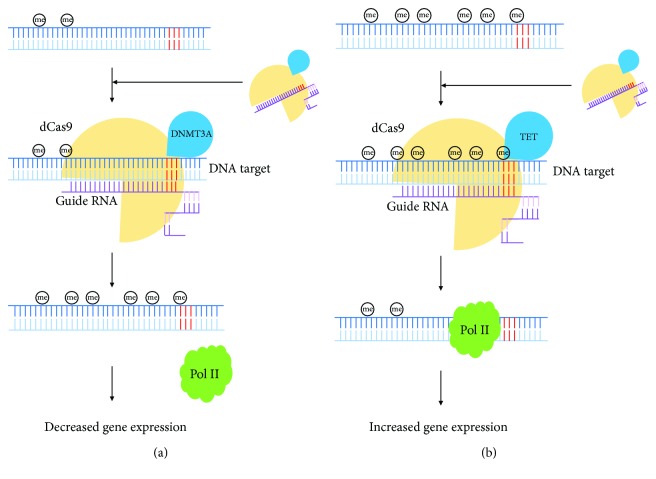
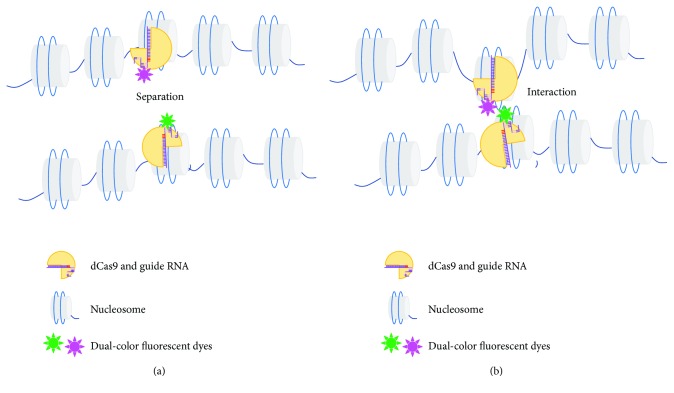
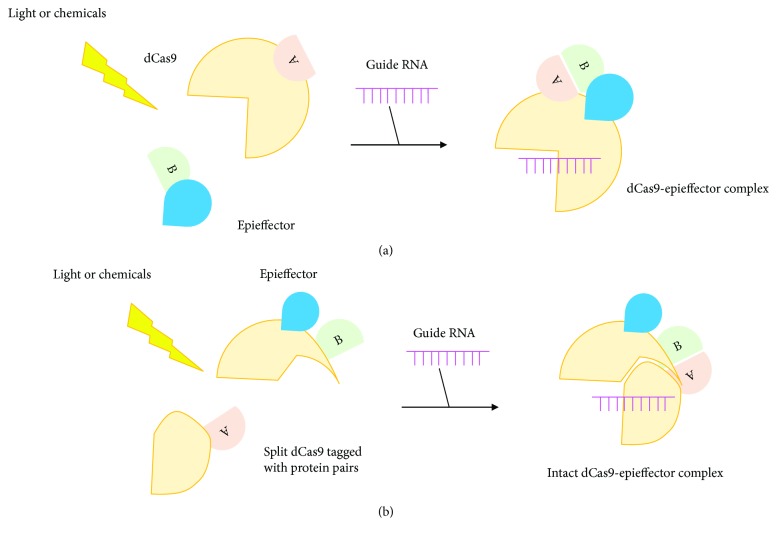
Epigenetics classically refers to the inheritable changes of hereditary information without perturbing DNA sequences. Understanding mechanisms of how epigenetic factors contribute to inheritable phenotype changes and cell identity will pave the way for us to understand diverse biological processes. In recent years, the emergence of CRISPR/Cas9 technology has provided us with new routes to the epigenetic field. In this review, novel epigenetic techniques utilizing the CRISPR/Cas9 system are the main contents to be discussed, including epigenome editing, temporal and spatial control of epigenetic effectors, noncoding RNA manipulation, chromatin in vivo imaging, and epigenetic element screening.
表观遗传学传统上是指在不干扰DNA序列的情况下遗传信息的可遗传变化。了解表观遗传因素如何导致可遗传的表型变化和细胞特性的机制,将为我们理解各种生物学过程铺平道路。近年来,CRISPR/Cas9技术的出现为我们进入表观遗传学领域提供了新途径。在这篇综述中,利用CRISPR/Cas9系统的新型表观遗传技术是主要讨论内容,包括表观基因组编辑、表观遗传效应因子的时空控制、非编码RNA操作、染色质体内成像以及表观遗传元件筛选。