Govender Kaymarlin, Masebo Wilfred G B, Nyamaruze Patrick, Cowden Richard G, Schunter Bettina T, Bains Anurita
Health Economics and HIV and AIDS Research Division, University of KwaZulu-Natal, Durban, South Africa.
School of Applied Human Sciences, University of KwaZulu-Natal, Durban, South Africa.
Open AIDS J. 2018 Jul 19;12:53-67. doi: 10.2174/1874613601812010053. eCollection 2018.
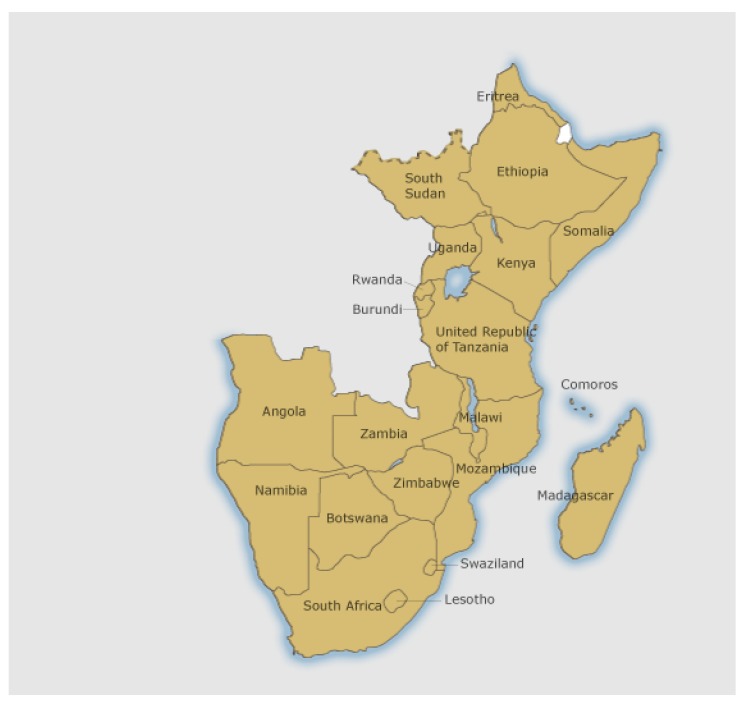
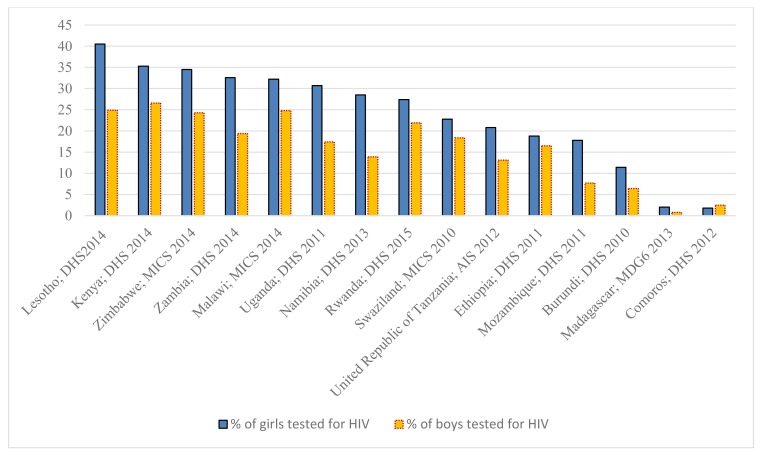
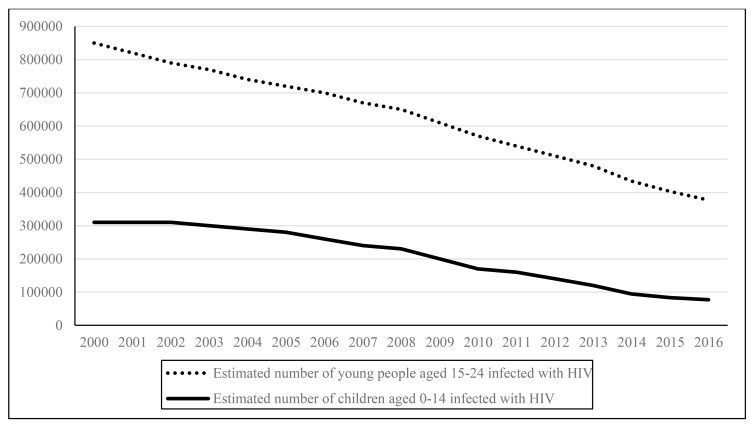
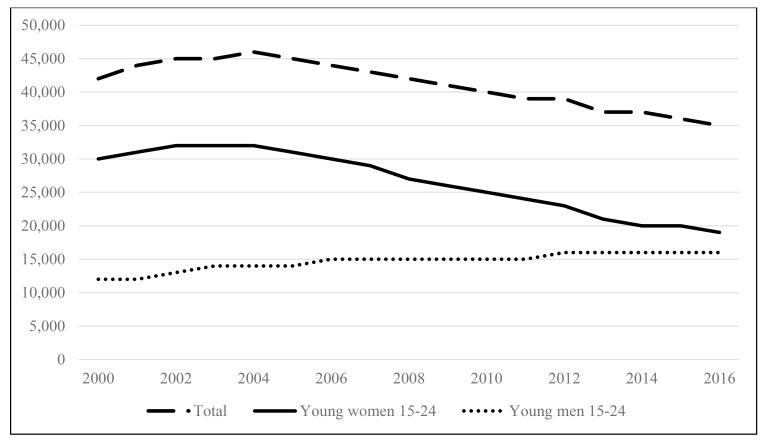
The global commitment to ending the AIDS epidemic by 2030 places HIV prevention at the centre of the response. With the disease continuing to disproportionately affect young populations in the Eastern and Southern African Region (ESAR), particularly adolescent girls and young women, reducing HIV infections in this group is integral to achieving this ambitious target. This paper examines epidemiological patterns of the HIV epidemic among adolescents and young people, indicating where HIV prevention efforts need to be focused (, adolescent girls and young women, adolescent boys and young men and young key populations). Key innovations in the science of HIV prevention and strategies for dealing with programme implementation are reviewed. The paper also discusses the value of processes to mitigate HIV vulnerability and recommends actions needed to sustain the HIV prevention response. Stemming the tide of new HIV infections among young people in the ESAR requires an amplification of efforts across all sectors, which will safeguard past achievements and advance actions towards eliminating AIDS as a public health threat.
到2030年终结艾滋病流行的全球承诺将艾滋病毒预防置于应对工作的核心。由于该疾病继续对东部和南部非洲地区(ESAR)的年轻人群体,尤其是少女和年轻女性产生不成比例的影响,减少该群体中的艾滋病毒感染对于实现这一宏伟目标至关重要。本文研究了青少年和年轻人中艾滋病毒流行的流行病学模式,指出了艾滋病毒预防工作需要聚焦的领域(即少女和年轻女性、男青少年和年轻男性以及年轻关键人群)。回顾了艾滋病毒预防科学的关键创新以及应对项目实施的策略。本文还讨论了减轻艾滋病毒易感性的过程的价值,并建议采取必要行动以维持艾滋病毒预防应对措施。遏制ESAR地区年轻人中新增艾滋病毒感染的浪潮需要所有部门加大努力,这将巩固过去取得的成就,并推动采取行动消除艾滋病这一公共卫生威胁。