Nissen Eva Rames, Bregnballe Vibeke, Mehlsen Mimi Yung, Muldbjerg Anne Kathrine Østerby, O'Connor Maja, Lomborg Kirsten Elisabeth
1Unit for Psychooncology and Health Psychology, Department of Psychology, Aarhus University, Bartholins Allé 11, Bld. 1350, DK-8000 Aarhus C, Denmark.
Research Programme for Patient Involvement, Department of Clinical Medicine, Aarhus University and Aarhus University Hospital, Nørrebrogade 44, Bld. 12A, 1, DK-8000 Aarhus C, Denmark.
Res Involv Engagem. 2018 Aug 6;4:24. doi: 10.1186/s40900-018-0106-2. eCollection 2018.
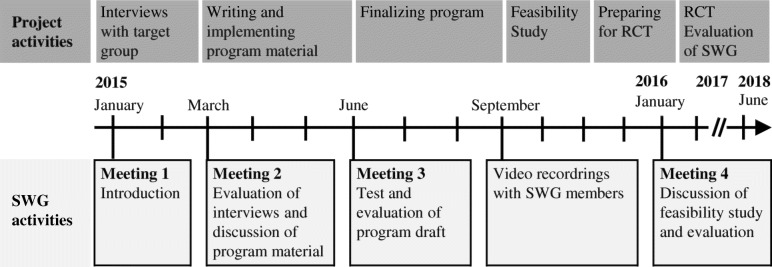
The aim of this paper is to present our experiences from a shared working group (SWG) with patient representatives and researchers. The SWG collaborated on developing a psychosocial cancer rehabilitation intervention for women treated for breast cancer and men treated for prostate cancer and on the planning of an effect study of this intervention.The SWG included five patient representatives (three women treated for breast cancer and two men treated for prostate cancer), four researchers and a research assistant. The SWG met four times during the year where the intervention was developed. Data material for the present evaluation study comprises meeting documents, transcriptions of interviews with two patient representatives and three researchers from the SWG, and the primary investigator's field notes.The collaboration between patient representatives and researchers informed both the intervention and the research planning and was rewarding for the involved participants. The well-structured organization of the collaboration had a positive impact on the outcome. In addition, clear goals and clarification of expectations were important. Challenges were encountered in keeping continuity between meetings and carrying out homework as intended. It was crucial for the collaboration that patient representatives had specific knowledge, interest and motivation for the project.Involving patient representatives in the research process heightened the relevancy of the research and the quality of its contents. The SWG gave patient representatives and researchers a better mutual understanding. Overall, the conclusion is that the benefits obtained by involving patient representatives exceeds the additional costs this involves.
The aim of the paper is to present experiences of researchers collaborating with patients in a shared working group comprising patient representatives and researchers. Experiences are deduced from the evaluation of the work in the working group, which collaborated on developing a psychosocial cancer rehabilitation intervention for women treated for breast cancer and men treated for prostate cancer and the planning of a randomized controlled trial that investigates the effect of this intervention. Five patient representatives (three women treated for breast cancer and two men treated for prostate cancer), four researchers and a research assistant participated in the shared working group. The shared working group met four times during the year the intervention was developed. Data material for the present evaluation study was collected from meeting documents, transcriptions of interviews with two patient representatives and three researchers from the shared working group, and the primary investigator's field notes. The data analysis was guided by Sandelowski's qualitative description strategy. The collaboration between patient representatives and researchers informed the intervention and the research planning and was rewarding for the involved participants. The well-structured organization of the collaboration had a positive impact on the outcome. Also, clear goals and clarification of expectations were important. Challenges were encountered in ensuring continuity between meetings and carrying out homework as intended. It was considered crucial for the collaboration to recruit patient representatives with specific knowledge, interest and motivation for the project. The direct costs related to the shared working group, including meals, transportation and salary for the research assistant, were small. However, the indirect costs in terms of time spent on planning patient-involving elements of, organizing meetings and evaluation were substantial and demanded a significant amount of extra work for the primary investigator. Involving patients in the research process heightened the relevancy of the research and the quality of the research contents. The shared working group influenced both patient representatives and researchers and gave them a better mutual understanding. Overall, the conclusion is that the benefits obtained by involving patients exceed the additional costs related to patient involvement.
本文旨在介绍我们在一个由患者代表和研究人员组成的共享工作组(SWG)中的经验。该SWG合作开发了一种针对乳腺癌女性患者和前列腺癌男性患者的心理社会癌症康复干预措施,并规划了一项关于该干预措施效果的研究。SWG包括五名患者代表(三名乳腺癌女性患者和两名前列腺癌男性患者)、四名研究人员和一名研究助理。在开发干预措施的这一年里,SWG共召开了四次会议。本评估研究的数据材料包括会议文件、对SWG中两名患者代表和三名研究人员的访谈记录以及首席研究员的现场笔记。患者代表和研究人员之间的合作对干预措施和研究规划都有启发,并且对参与其中的人员来说是有意义的。合作的良好组织架构对结果产生了积极影响。此外,明确的目标和对期望的阐明也很重要。在保持会议之间的连续性以及按预期完成任务方面遇到了挑战。对于合作而言,患者代表对该项目具有特定的知识、兴趣和积极性至关重要。让患者代表参与研究过程提高了研究的相关性及其内容质量。SWG增进了患者代表和研究人员之间的相互理解。总体而言,结论是让患者代表参与所获得的益处超过了由此带来的额外成本。
本文旨在介绍研究人员与患者在一个由患者代表和研究人员组成的共享工作组中合作的经验。这些经验源自对该工作组工作的评估,该工作组合作开发了一种针对乳腺癌女性患者和前列腺癌男性患者的心理社会癌症康复干预措施,并规划了一项随机对照试验以研究该干预措施的效果。五名患者代表(三名乳腺癌女性患者和两名前列腺癌男性患者)、四名研究人员和一名研究助理参与了该共享工作组。在开发干预措施的这一年里,共享工作组共召开了四次会议。本评估研究的数据材料是从会议文件、对共享工作组中两名患者代表和三名研究人员的访谈记录以及首席研究员的现场笔记中收集的。数据分析以桑德洛维茨的定性描述策略为指导。患者代表和研究人员之间的合作对干预措施和研究规划都有启发,并且对参与其中的人员来说是有意义的。合作的良好组织架构对结果产生了积极影响。同样,明确的目标和对期望的阐明也很重要。在确保会议之间的连续性以及按预期完成任务方面遇到了挑战。人们认为,为该项目招募具有特定知识、兴趣和积极性的患者代表对合作至关重要。与共享工作组相关的直接成本,包括餐费、交通费和研究助理的薪水,数额较小。然而,在规划患者参与部分、组织会议和评估方面所花费的时间等间接成本相当可观,并且要求首席研究员做大量额外工作。让患者参与研究过程提高了研究的相关性及其内容质量。共享工作组对患者代表和研究人员都产生了影响,并增进了他们之间的相互理解。总体而言,结论是让患者参与所获得的益处超过了与患者参与相关的额外成本。