Thapa Khampaseuth, Wu Kai Connie, Sarma Aishwarya, Grund Eric M, Szeto Angela, Mendez Armando J, Gesta Stephane, Vishnudas Vivek K, Narain Niven R, Sarangarajan Rangaprasad
Berg, LLC, 500 Old Connecticut Path, Bldg B (3rd Floor), Framingham, MA 01701 USA.
2Diabetes Research Institute, University of Miami Miller School of Medicine, Miami, FL 33136 USA.
Cell Biosci. 2018 Aug 17;8:45. doi: 10.1186/s13578-018-0244-0. eCollection 2018.
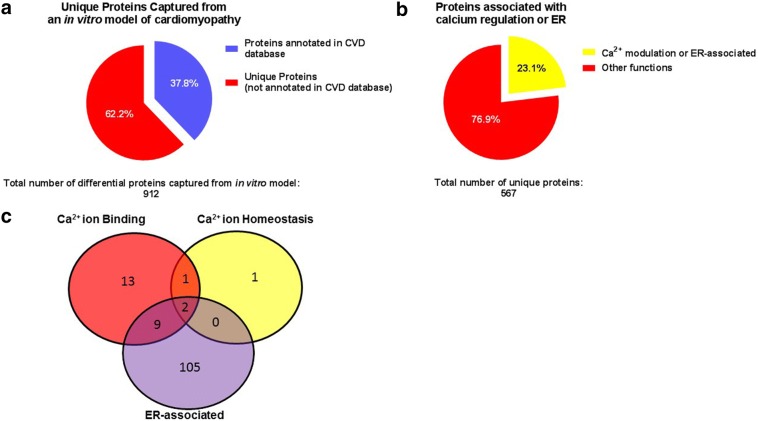
Diabetes mellitus is associated with an increased risk in diabetic cardiomyopathy (DCM) that is distinctly not attributed to co-morbidities with other vasculature diseases. To date, while dysregulation of calcium handling is a key hallmark in cardiomyopathy, studies have been inconsistent in the types of alterations involved. In this study human cardiomyocytes were exposed to an environmental nutritional perturbation of high glucose, fatty acids, and l-carnitine to model DCM and iTRAQ-coupled LC-MS/MS proteomic analysis was used to capture proteins affected by the perturbation. The proteins captured were then compared to proteins currently annotated in the cardiovascular disease (CVD) gene ontology (GO) database to identify proteins not previously described as being related to CVD. Subsequently, GO analysis for calcium regulating proteins and endoplasmic/sarcoplasmic reticulum (ER/SR) associated proteins was carried out.
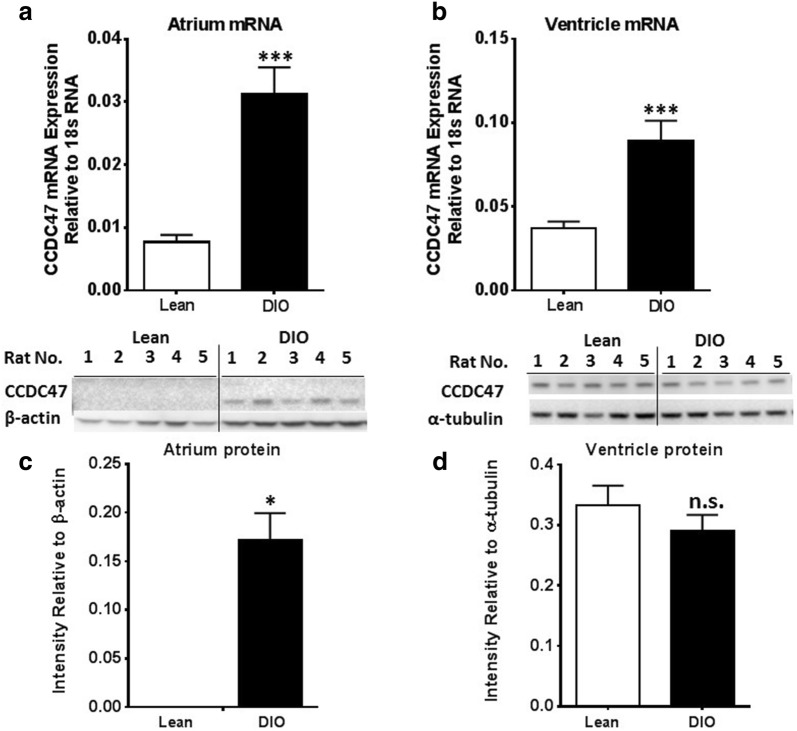
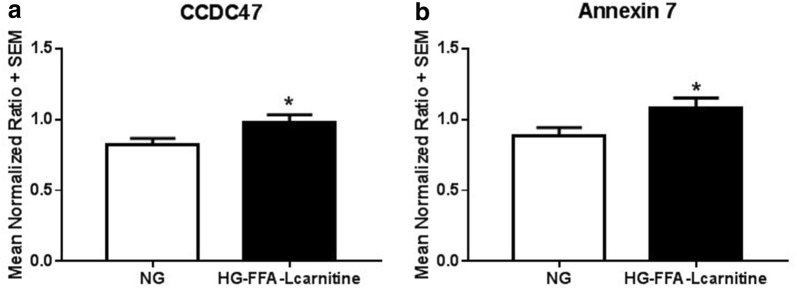
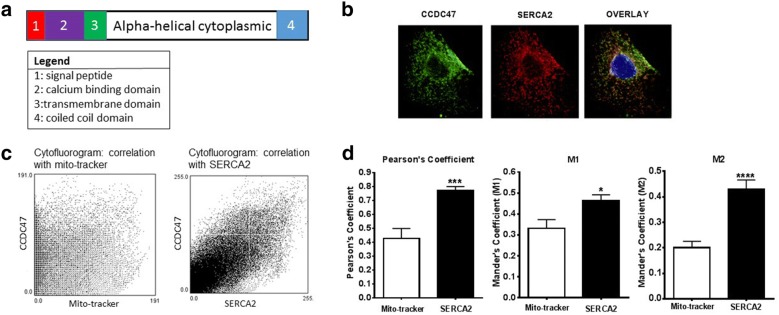
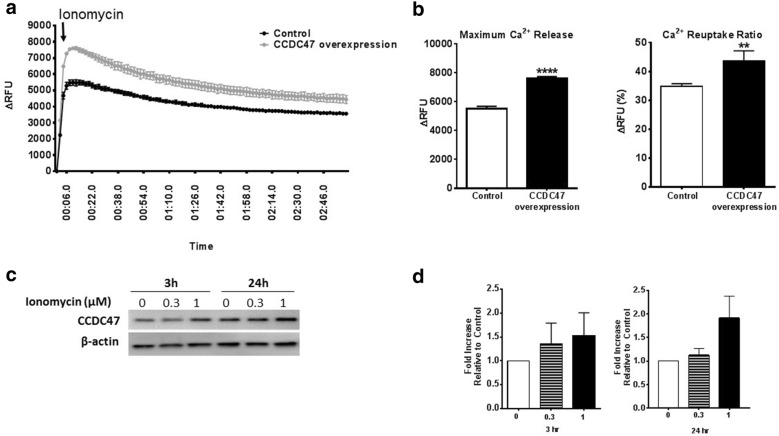
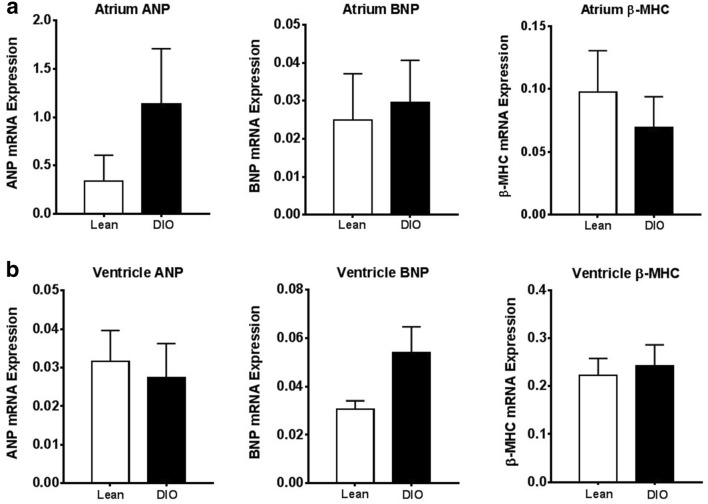
Here, we identified CCDC47 (calumin) as a unique calcium regulating protein altered in our in vitro nutritional perturbation model. The cellular and functional role of CCDC47 was then assessed in rat cardiomyocytes. In rat H9C2 myocytes, overexpression of CCDC47 resulted in increase in ionomycin-induced calcium release and reuptake. Of interest, in a diet-induced obese (DIO) rat model of DCM, CCDC47 mRNA expression was increased in the atrium and ventricle of the heart, but CCDC47 protein expression was significantly increased only in the atrium of DIO rats compared to lean control rats. Notably, no changes in ANP, BNP, or β-MHC were observed between DIO rats and lean control rats.
Together, our in vitro and in vivo studies demonstrate that CCDC47 is a unique calcium regulating protein that is associated with early onset hypertrophic cardiomyopathy.
糖尿病与糖尿病性心肌病(DCM)风险增加相关,这显然并非归因于与其他血管疾病的共病情况。迄今为止,虽然钙处理失调是心肌病的一个关键特征,但相关研究在涉及的改变类型上并不一致。在本研究中,将人类心肌细胞暴露于高糖、脂肪酸和左旋肉碱的环境营养扰动中以模拟DCM,并使用iTRAQ耦合液相色谱 - 串联质谱(LC-MS/MS)蛋白质组学分析来捕获受该扰动影响的蛋白质。然后将捕获的蛋白质与心血管疾病(CVD)基因本体(GO)数据库中当前注释的蛋白质进行比较,以鉴定先前未描述为与CVD相关的蛋白质。随后,对钙调节蛋白和内质网/肌浆网(ER/SR)相关蛋白进行了GO分析。
在此,我们鉴定出卷曲螺旋结构域蛋白47(CCDC47,也称为calumin)是在我们的体外营养扰动模型中发生改变的一种独特的钙调节蛋白。然后在大鼠心肌细胞中评估了CCDC47的细胞和功能作用。在大鼠H9C2心肌细胞中,CCDC47的过表达导致离子霉素诱导的钙释放和再摄取增加。有趣的是,在饮食诱导肥胖(DIO)的DCM大鼠模型中,心脏心房和心室中CCDC47的mRNA表达增加,但与瘦对照大鼠相比,CCDC47蛋白表达仅在DIO大鼠的心房中显著增加。值得注意的是,DIO大鼠和瘦对照大鼠之间未观察到心房钠尿肽(ANP)、脑钠肽(BNP)或β - 肌球蛋白重链(β - MHC)的变化。
总之,我们的体外和体内研究表明,CCDC47是一种独特的钙调节蛋白,与早期肥厚性心肌病相关。