Department of Genetics and Genome Sciences, Case Western Reserve University School of Medicine, Cleveland, OH 44106, USA.
Department of Genetics and Genome Sciences, Case Western Reserve University School of Medicine, Cleveland, OH 44106, USA; Department of Population and Quantitative Health Sciences, Case Western Reserve University School of Medicine, Cleveland, OH 44106, USA; Department of Engineering and Computer Science, Case Western Reserve University School of Medicine, Cleveland, OH 44106, USA; Case Comprehensive Cancer Center, Case Western Reserve University School of Medicine, Cleveland, OH 44106, USA.
Stem Cell Reports. 2018 Sep 11;11(3):711-726. doi: 10.1016/j.stemcr.2018.07.015. Epub 2018 Aug 23.
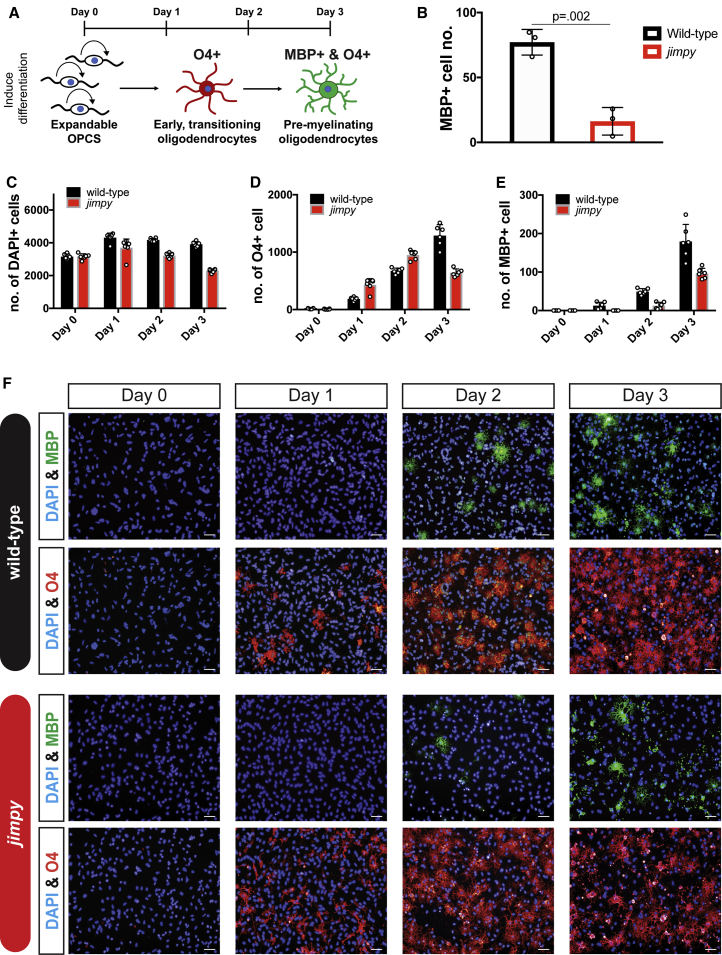
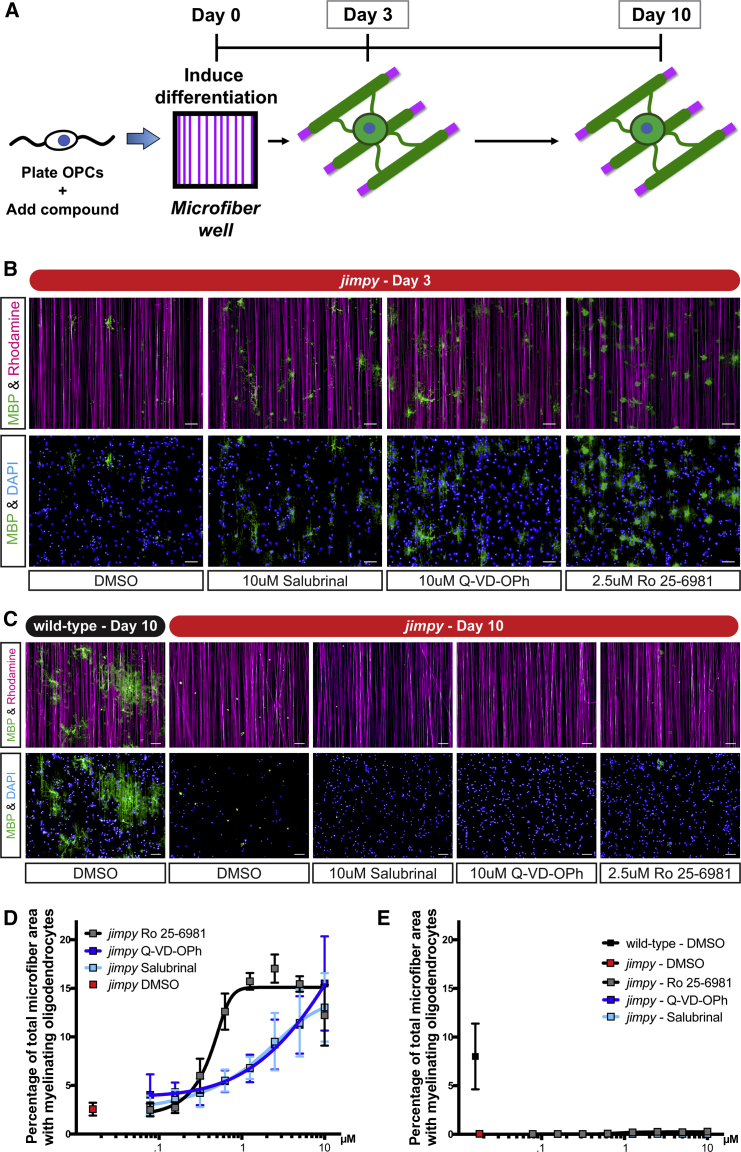
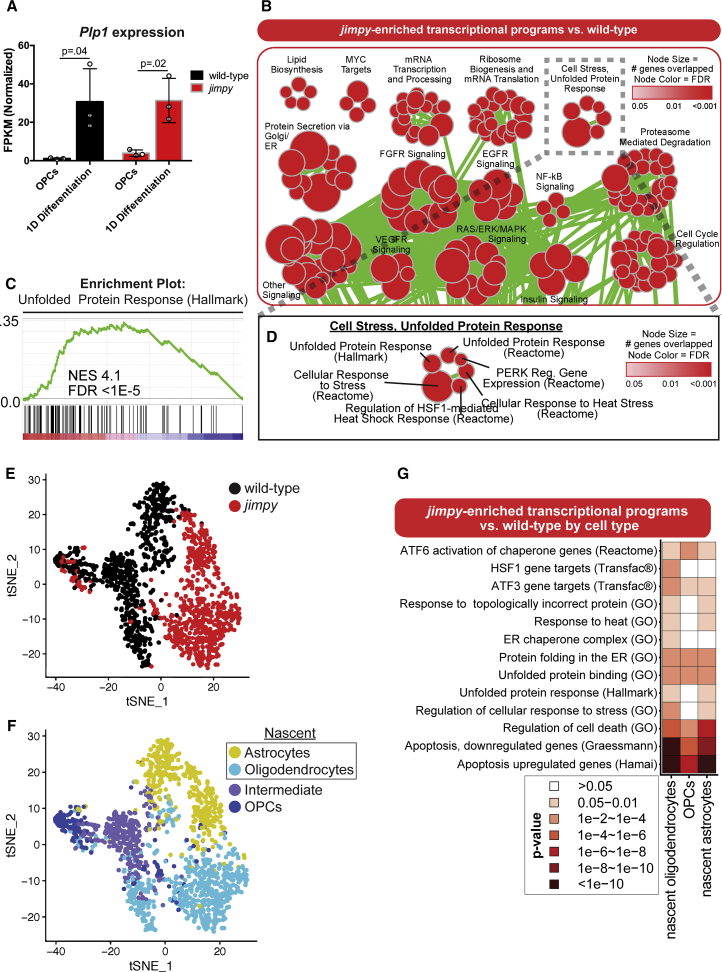
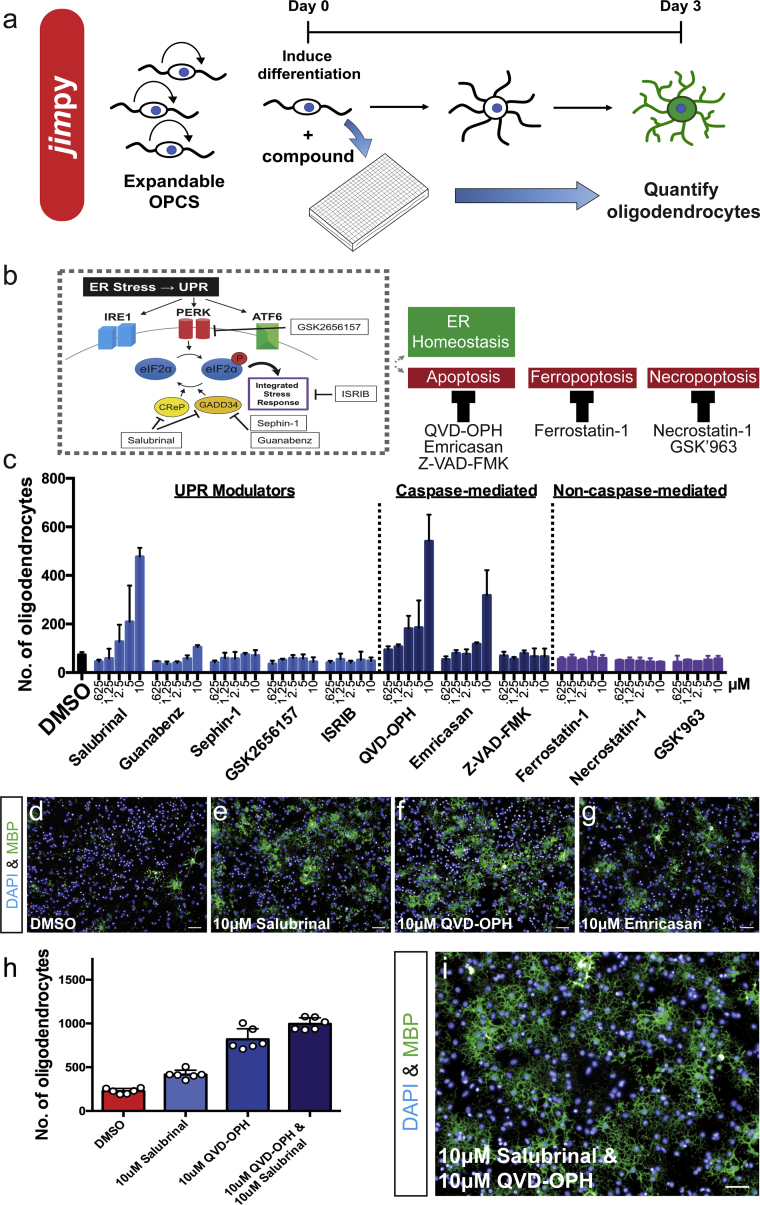
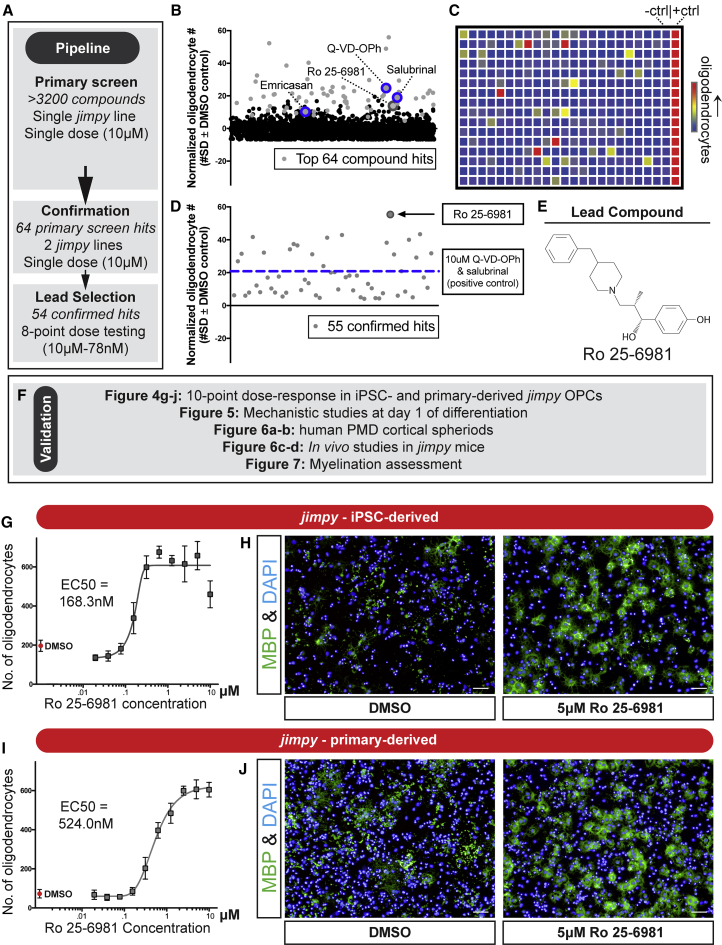
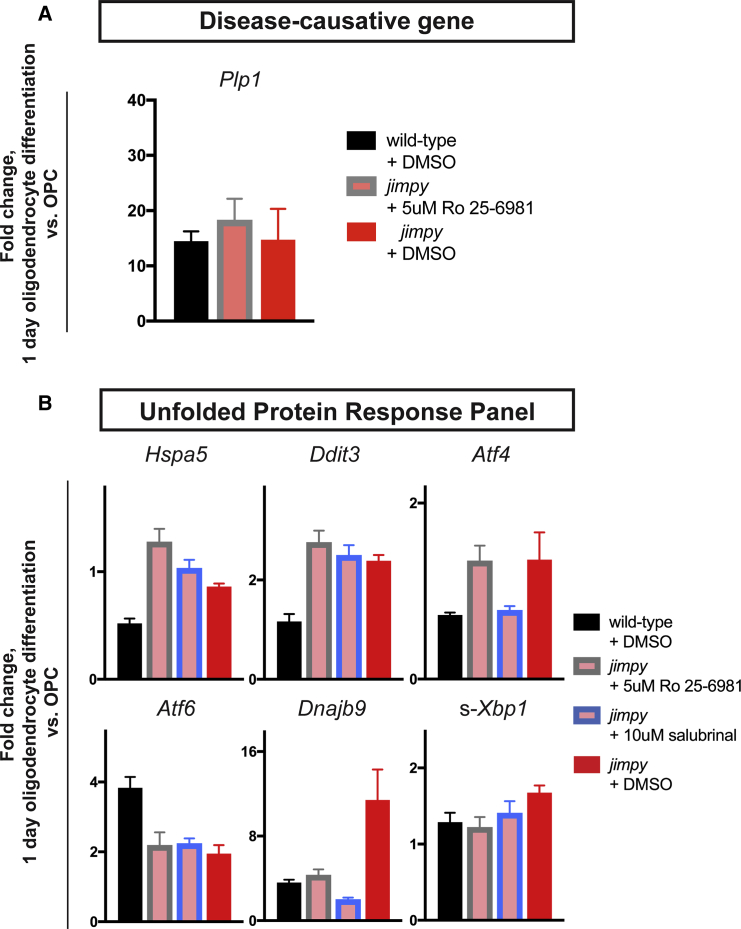
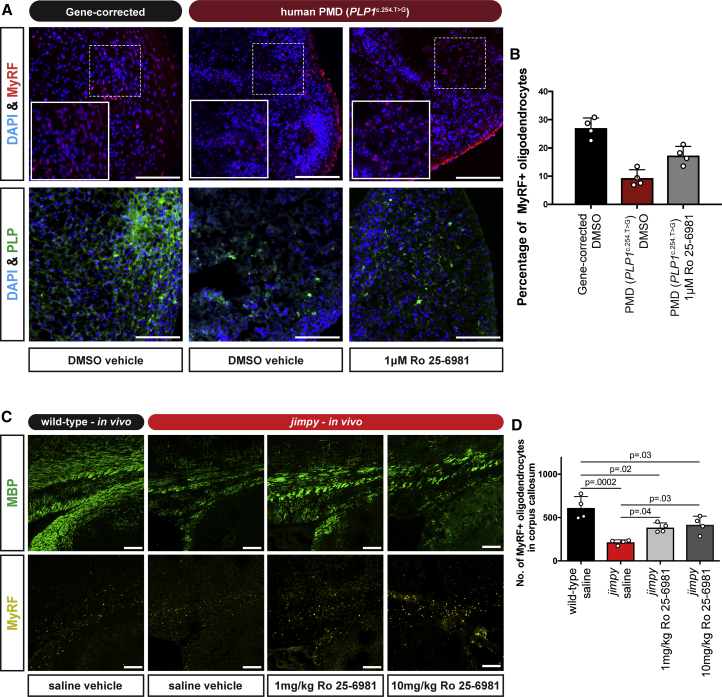
Pelizaeus-Merzbacher disease (PMD) is a fatal X-linked disorder caused by loss of myelinating oligodendrocytes and consequent hypomyelination. The underlying cellular and molecular dysfunctions are not fully defined, but therapeutic enhancement of oligodendrocyte survival could restore functional myelination in patients. Here we generated pure, scalable quantities of induced pluripotent stem cell-derived oligodendrocyte progenitor cells (OPCs) from a severe mouse model of PMD, Plp1. Temporal phenotypic and transcriptomic studies defined an early pathological window characterized by endoplasmic reticulum (ER) stress and cell death as OPCs exit their progenitor state. High-throughput phenotypic screening identified a compound, Ro 25-6981, which modulates the ER stress response and rescues mutant oligodendrocyte survival in jimpy, in vitro and in vivo, and in human PMD oligocortical spheroids. Surprisingly, increasing oligodendrocyte survival did not restore subsequent myelination, revealing a second pathological phase. Collectively, our work shows that PMD oligodendrocyte loss can be rescued pharmacologically and defines a need for multifactorial intervention to restore myelination.
佩利兹-梅茨巴赫病(PMD)是一种致命的 X 连锁疾病,由少突胶质细胞髓鞘形成缺失和随之而来的少突胶质细胞脱髓鞘引起。其潜在的细胞和分子功能障碍尚未完全明确,但增强少突胶质细胞的存活能力可能会恢复患者的功能性髓鞘形成。在这里,我们从严重的 PMD 小鼠模型 Plp1 中产生了大量纯的、可扩展的诱导多能干细胞源性少突胶质前体细胞(OPC)。时相表型和转录组学研究定义了一个早期病理窗口,其特征为内质网(ER)应激和细胞死亡,此时 OPC 退出其前体细胞状态。高通量表型筛选鉴定出一种化合物 Ro 25-6981,它可调节 ER 应激反应,并在 jimpy 中、体外和体内以及人 PMD 少突胶质细胞球体中挽救突变型少突胶质细胞的存活。令人惊讶的是,增加少突胶质细胞的存活并没有恢复随后的髓鞘形成,这揭示了第二个病理阶段。总之,我们的工作表明 PMD 少突胶质细胞的丢失可以通过药理学手段来挽救,并确定需要多因素干预来恢复髓鞘形成。