Dioguardi Mario, Gioia Giovanni Di, Illuzzi Gaetano, Laneve Enrica, Cocco Armando, Troiano Giuseppe
Department of Clinical and Experimental Medicine, Foggia University, Foggia, Italy.
Eur J Dent. 2018 Jul-Sep;12(3):459-466. doi: 10.4103/ejd.ejd_56_18.
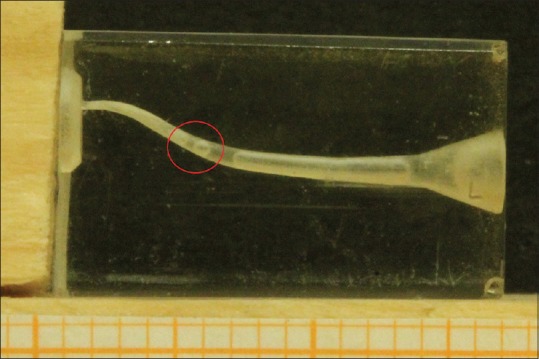
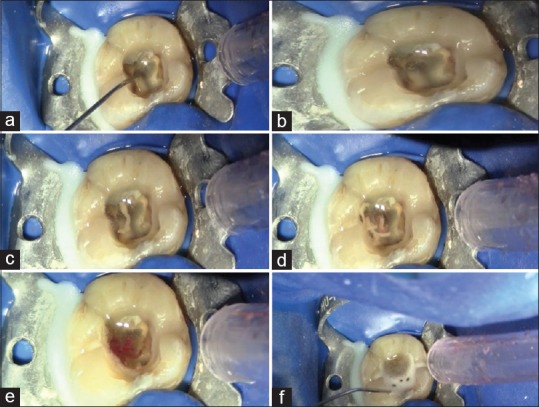
Shaping and cleaning a root canal system along with the preservation of the surrounding periodontal tissues are the principal goals of an endodontic treatment. While most of the attention is paid to the mechanical aspects of a root canal treatment, an essential feature of it is the irrigation. All over the years, many materials have been used to clean the root canal of a tooth, and certainly, the sodium hypochlorite (NaOCl) and ethylenediaminetetraacetic acid solutions are the most used and most reliable ones. Putting them inside of a canal is mostly done using a normal syringe, but many techniques have been involved in this process, including the use of sonic/ultrasonic instruments, the use of shaping files, and even laser, to increase the efficacy of irrigant solutions, especially of NaOCl one. Each one of this technique faces some disadvantages, just as the vapor lock effect and the apical extrusion, and has a different action on features such as the reaction rate and the shear stress of an endodontic irrigant solution. In this narrative review, we describe the different features of many irrigant solutions and the different ways of upgrading their efficacy in the cleaning of a root canal system, with the use of tables to summarize the entire description, and drawing the readers' attention to a photographic illustration for a better understanding of the topic.
根管系统的塑形和清理以及周围牙周组织的保存是牙髓治疗的主要目标。虽然根管治疗的大部分注意力都集中在机械方面,但其一个基本特征是冲洗。多年来,许多材料都被用于清洁牙齿的根管,当然,次氯酸钠(NaOCl)和乙二胺四乙酸溶液是使用最多且最可靠的。将它们放入根管大多使用普通注射器,但这个过程涉及许多技术,包括使用声波/超声波器械、使用塑形锉,甚至激光,以提高冲洗液的效果,尤其是次氯酸钠溶液的效果。这些技术中的每一种都面临一些缺点,如气锁效应和根尖挤出,并且对牙髓冲洗液的反应速率和剪切应力等特性有不同的作用。在这篇叙述性综述中,我们描述了许多冲洗液的不同特性以及提高它们在根管系统清洁中效果的不同方法,使用表格总结整个描述,并通过一幅照片示例吸引读者注意,以便更好地理解该主题。