National Centre for Cell Science, NCCS Complex, University of Pune Campus, Ganeshkhind, Pune, Maharashtra, India.
Prof. Ramkrishna More Arts, Commerce and Science College, Akurdi, Pune, Maharashtra India.
PLoS One. 2018 Aug 28;13(8):e0202510. doi: 10.1371/journal.pone.0202510. eCollection 2018.
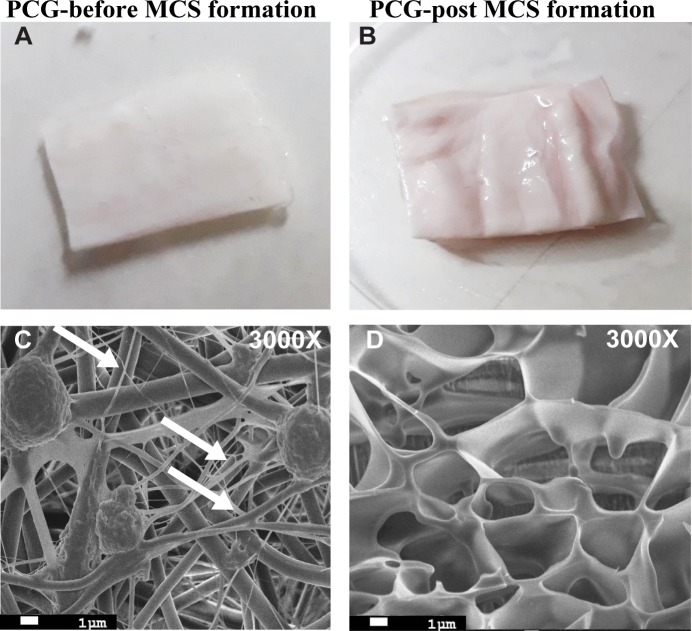
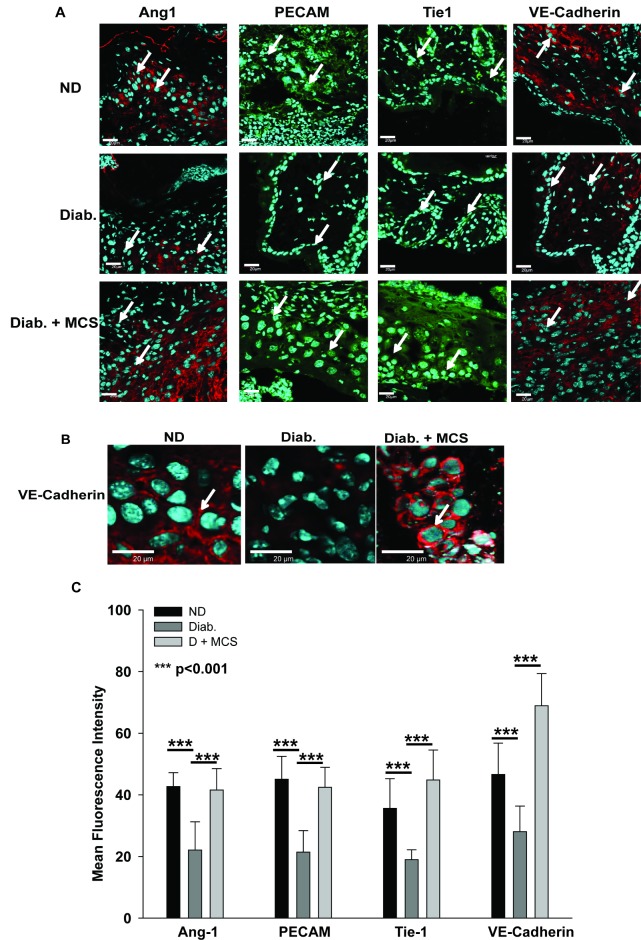
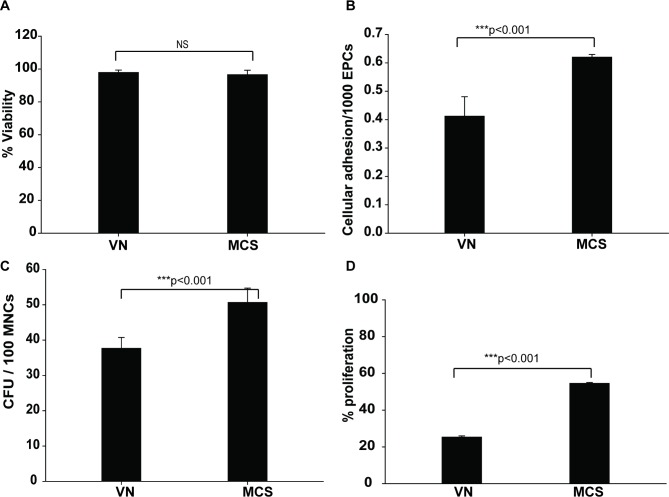
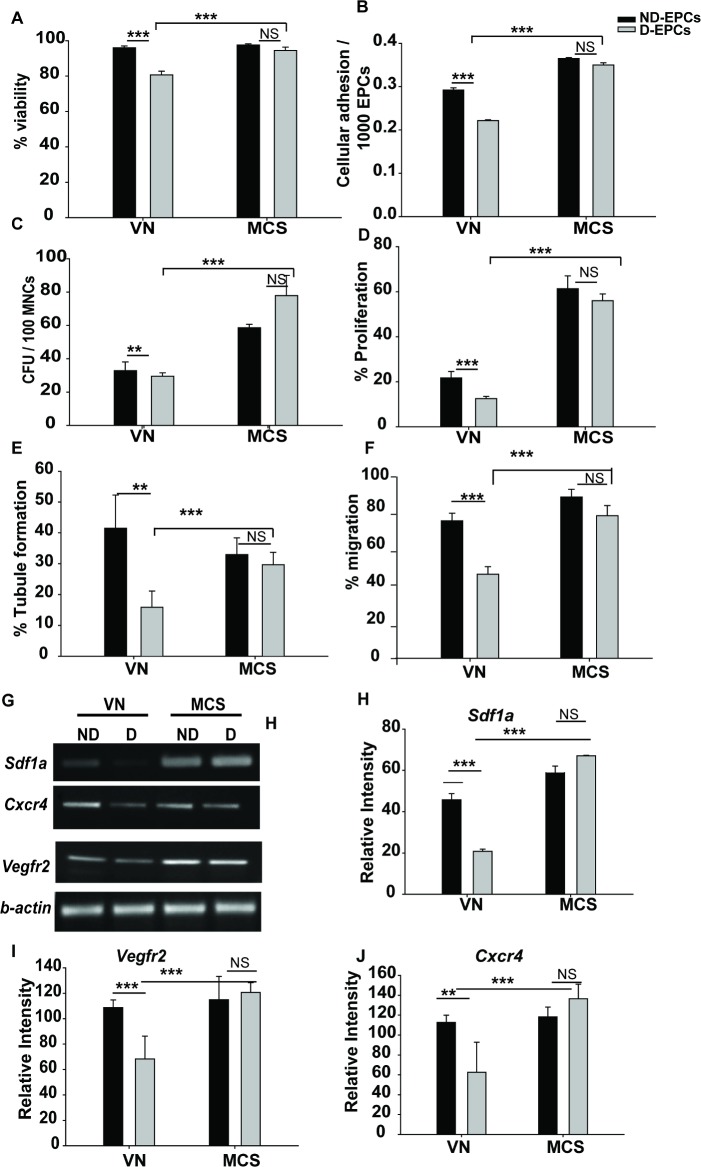
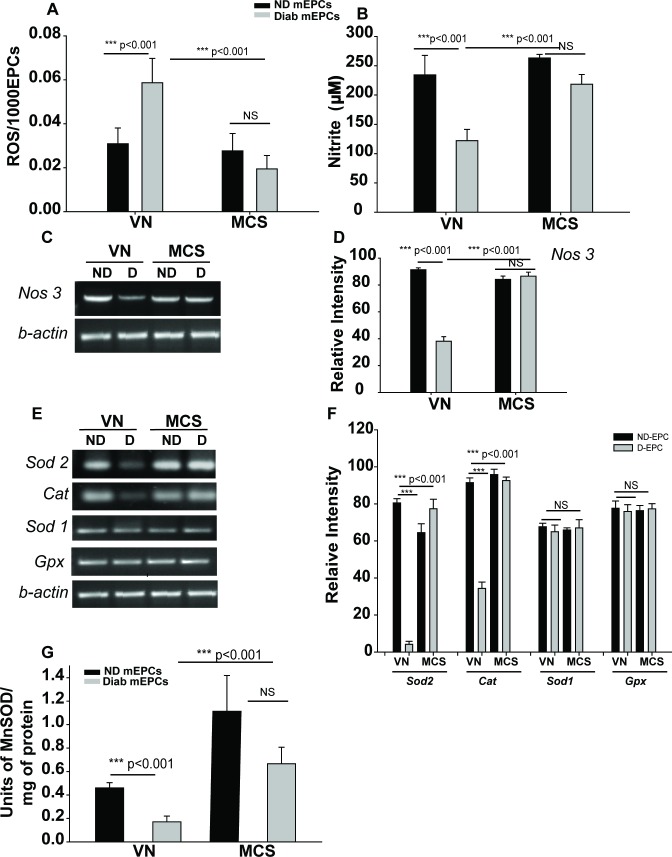
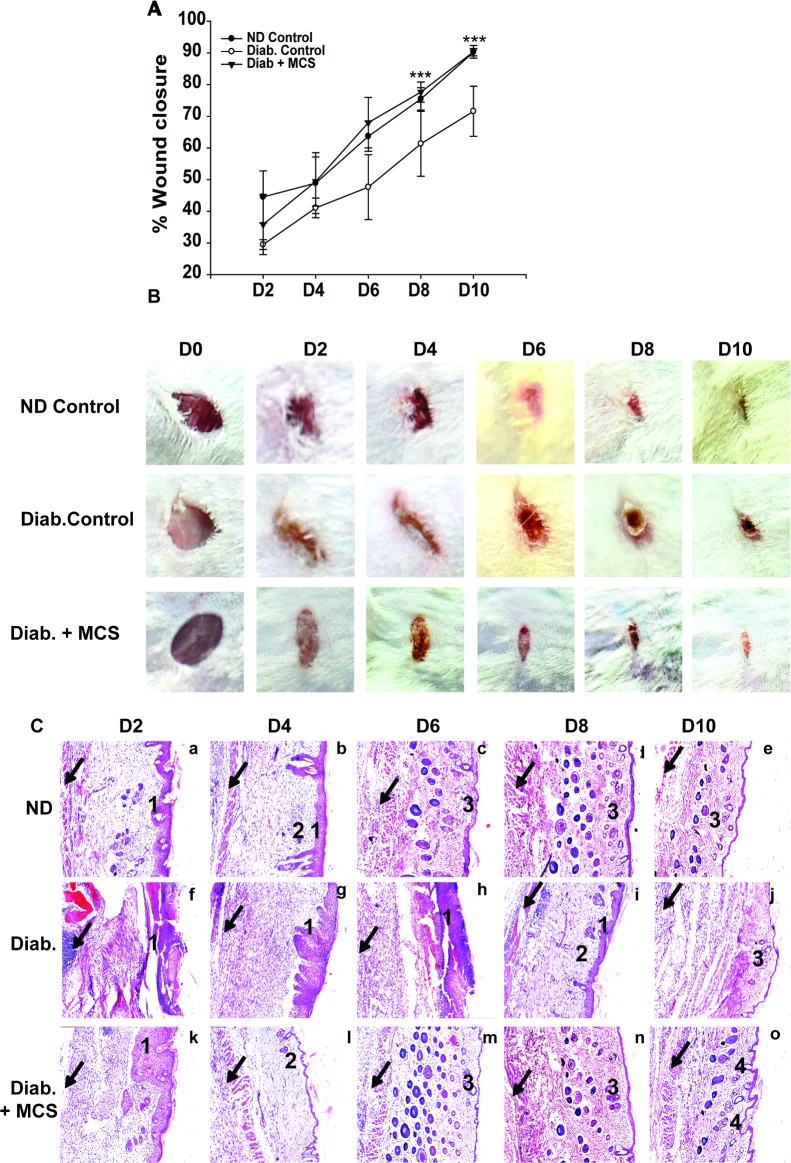
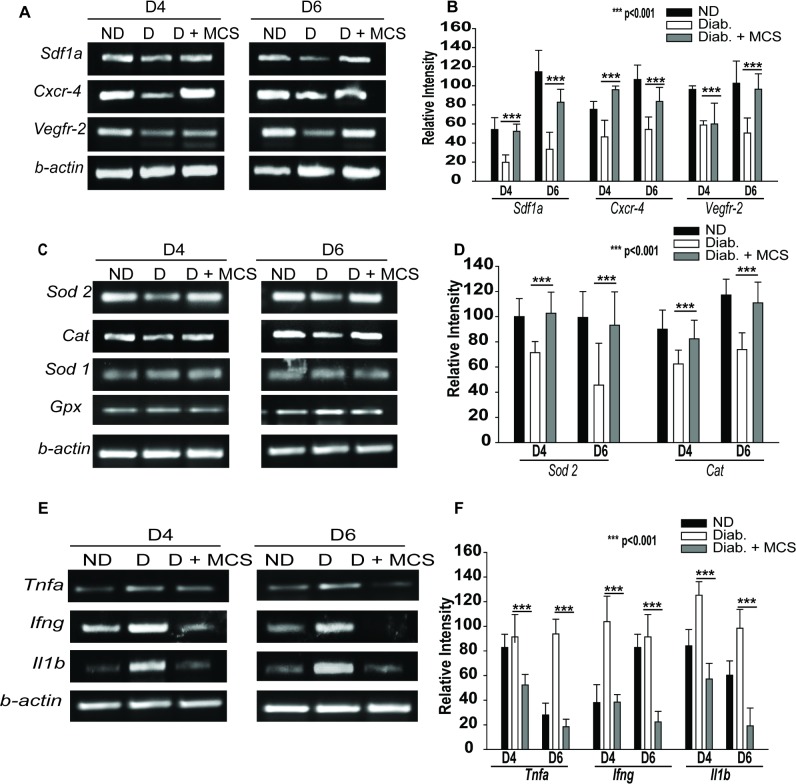
Cellular secretory products have infinite potential, which is only recently explored for research and therapeutic applications. The present study elaborated on the formation of a unique matrix-entrapped cellular secretome (MCS), a hydrogel-like secretome produced by bone marrow-derived mononuclear cells when cultured on a three-dimensional electrospun nanofiber matrix under specific conditions. These culture conditions support the growth of a mixed population predominantly comprising of endothelial precursor cells (EPCs), along with mesenchymal stromal cells and pericytes. Interestingly, such secretome is not formed in a pure culture of EPCs on the similarly formulated matrix, suggesting that a heterotypic cell-cell interaction is essential for the formation of MCS. In addition, the specific composition of the matrix was found to be a critical necessity for the formation of MCS. Furthermore, the application of the MCS as a substrate promotes the growth of EPCs in culture. It also rescues the diabetes-induced EPC dysfunction as assessed based on the parameters, such as viability, proliferation, colony formation, cellular adhesion, chemotactic migration, and tubule formation. MCS augments the levels of eNOS-specific mRNA (Nos3) and also promotes the restoration of the SDF1/CXCR4 axis in diabetic EPCs. Notably, a topical application of MCS on diabetic wounds leads to an accelerated wound closure. Thus, the current data showed that MCS forms an excellent cell-free biomaterial in the treatment of diabetic wounds and non-healing ulcers.
细胞分泌产物具有无限的潜力,最近才开始被用于研究和治疗应用。本研究详细阐述了一种独特的基质包埋细胞分泌组(MCS)的形成,这是一种由骨髓来源的单核细胞在三维电纺纳米纤维基质上培养时在特定条件下产生的凝胶样分泌组。这些培养条件支持混合群体的生长,主要包括内皮祖细胞(EPCs),以及间充质基质细胞和周细胞。有趣的是,在同样配方的基质上进行纯 EPC 培养时不会形成这种分泌组,这表明异质细胞-细胞相互作用对于 MCS 的形成是必要的。此外,还发现基质的特定组成对于 MCS 的形成是至关重要的。此外,将 MCS 用作底物可促进 EPC 在培养中的生长。它还可以挽救糖尿病诱导的 EPC 功能障碍,这可以通过细胞活力、增殖、集落形成、细胞黏附、趋化性迁移和管腔形成等参数进行评估。MCS 增加了 eNOS 特异性 mRNA(Nos3)的水平,并促进了糖尿病 EPC 中 SDF1/CXCR4 轴的恢复。值得注意的是,MCS 局部应用于糖尿病伤口可加速伤口闭合。因此,目前的数据表明,MCS 可作为一种治疗糖尿病伤口和非愈合性溃疡的无细胞生物材料。