Department of Internal Medicine, UT Southwestern Medical Center, Dallas, TX 75390, USA.
Department of Pharmacology, UT Southwestern Medical Center, Dallas, TX 75390, USA.
Cell Rep. 2018 Aug 28;24(9):2342-2355. doi: 10.1016/j.celrep.2018.07.066.
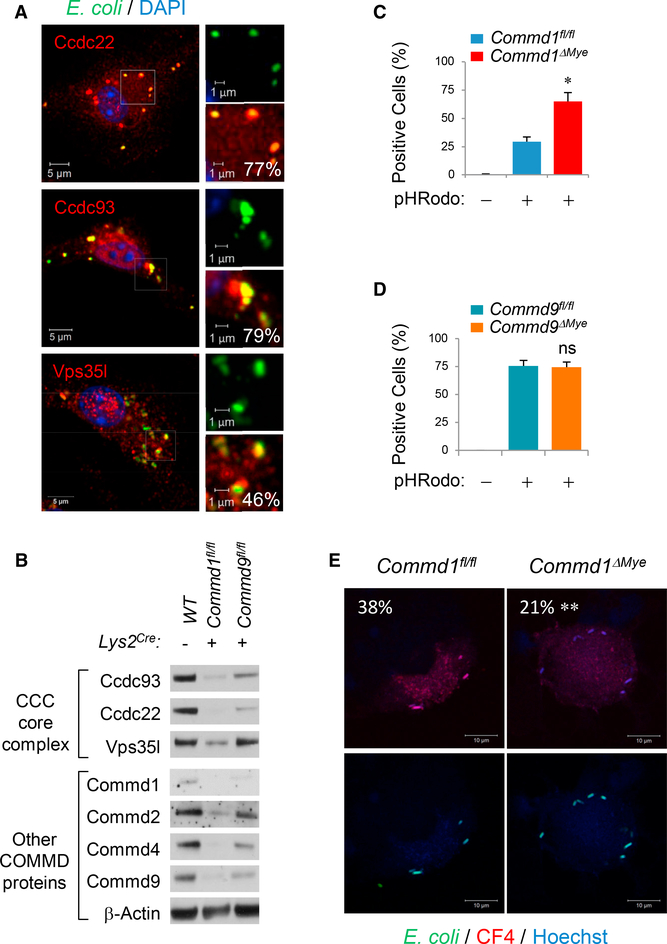
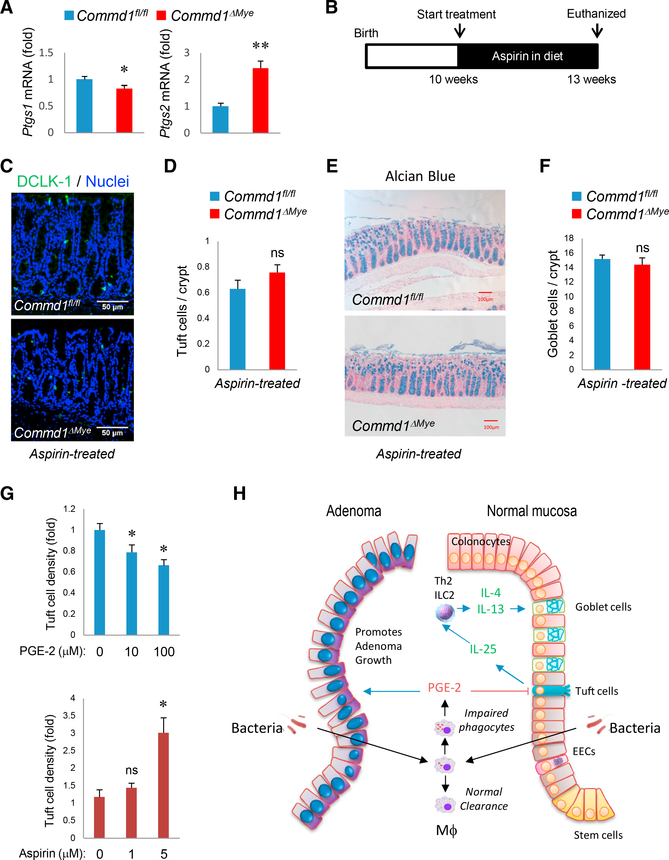
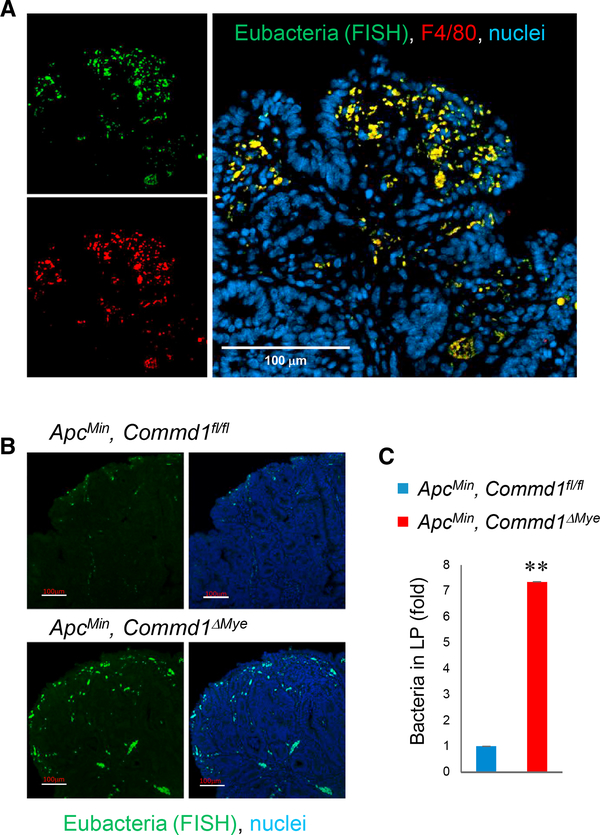
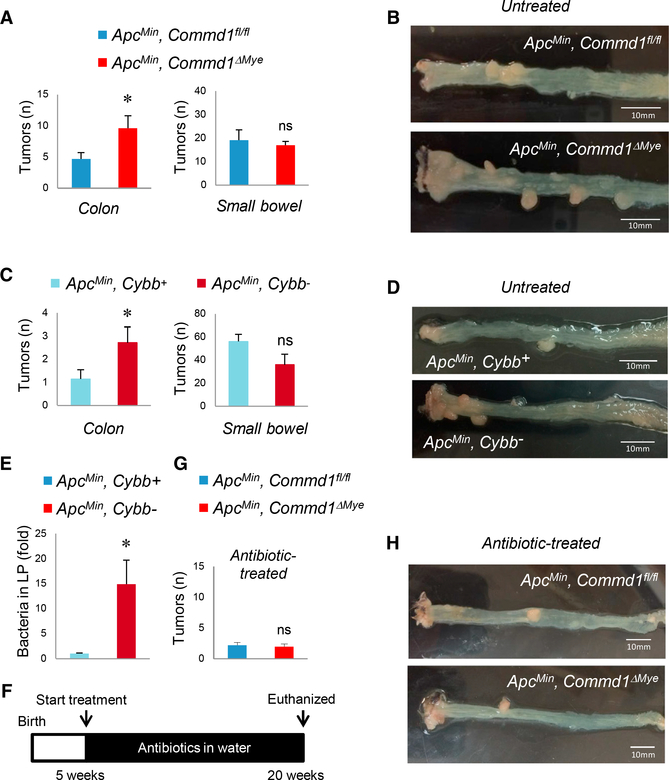
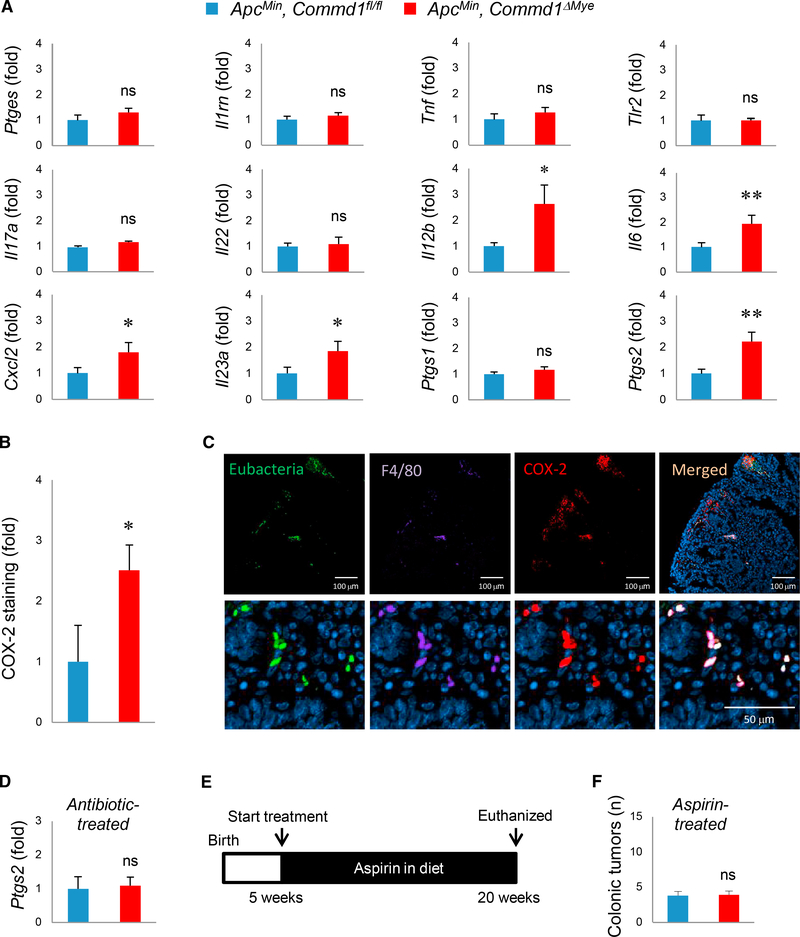
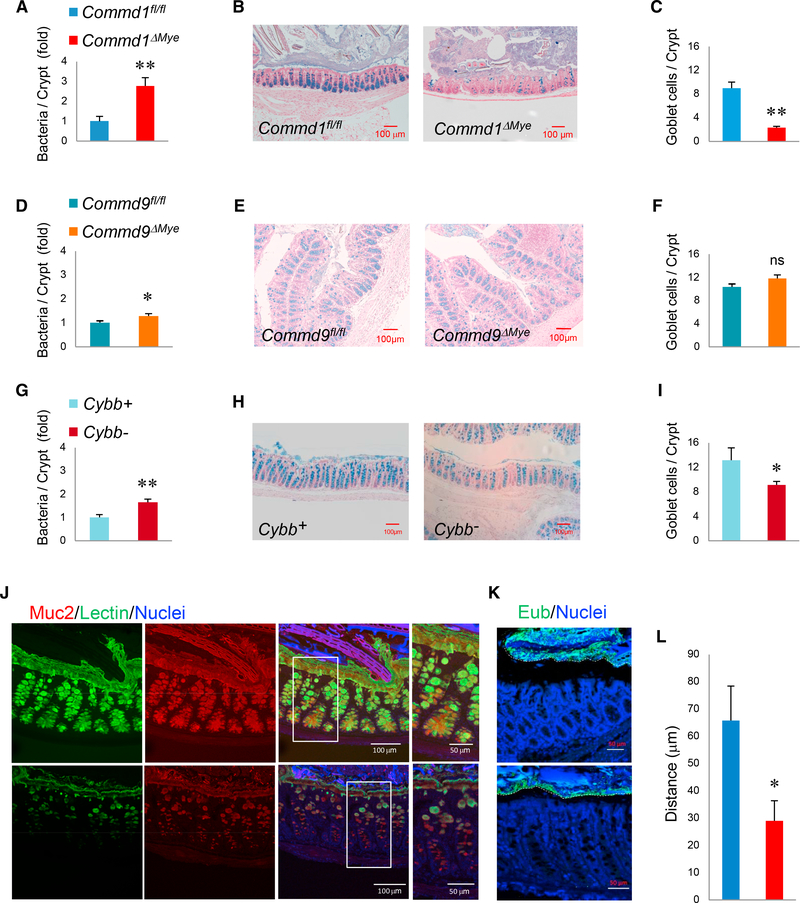
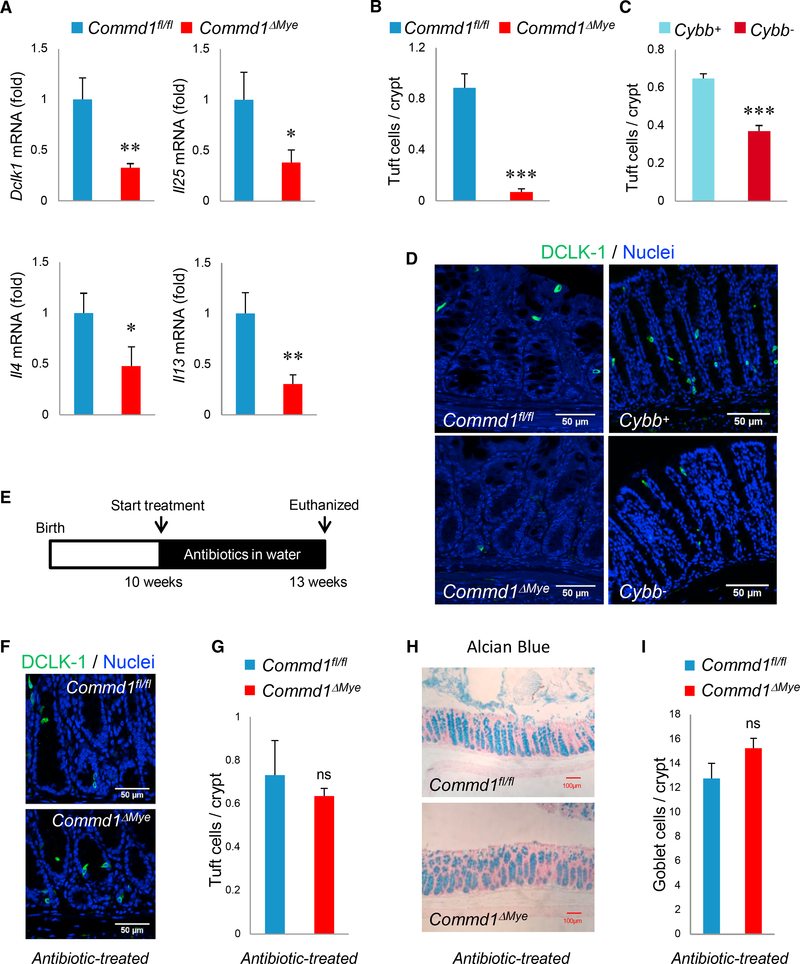
Physiologic microbe-host interactions in the intestine require the maintenance of the microbiota in a luminal compartment through a complex interplay between epithelial and immune cells. However, the roles of mucosal myeloid cells in this process remain incompletely understood. In this study, we identified that decreased myeloid cell phagocytic activity promotes colon tumorigenesis. We show that this is due to bacterial accumulation in the lamina propria and present evidence that the underlying mechanism is bacterial induction of prostaglandin production by myeloid cells. Moreover, we show that similar events in the normal colonic mucosa lead to reductions in Tuft cells, goblet cells, and the mucus barrier of the colonic epithelium. These alterations are again linked to the induction of prostaglandin production in response to bacterial penetration of the mucosa. Altogether, our work highlights immune cell-epithelial cell interactions triggered by the microbiota that control intestinal immunity, epithelial differentiation, and carcinogenesis.
肠道中生理性的微生物-宿主相互作用需要通过上皮细胞和免疫细胞之间的复杂相互作用来维持微生物菌群位于腔室中。然而,黏膜髓系细胞在这一过程中的作用仍不完全清楚。在这项研究中,我们发现髓系细胞吞噬活性的降低会促进结肠肿瘤的发生。我们表明,这是由于细菌在固有层中的积累,并提供了证据表明,其潜在机制是细菌诱导髓系细胞产生前列腺素。此外,我们还表明,正常结肠黏膜中的类似事件会导致微绒毛细胞、杯状细胞和结肠上皮的黏液屏障减少。这些改变再次与细菌穿透黏膜后诱导前列腺素产生有关。总的来说,我们的工作强调了由微生物群触发的免疫细胞-上皮细胞相互作用,这些作用控制着肠道免疫、上皮细胞分化和癌变。