Singapore National Eye Centre, Singapore 168751, Singapore.
Singapore Eye Research Institute, Singapore 169856, Singapore.
Int J Mol Sci. 2018 Sep 3;19(9):2611. doi: 10.3390/ijms19092611.
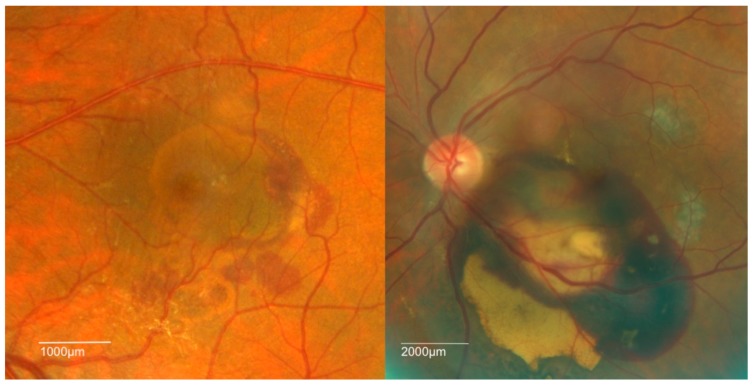
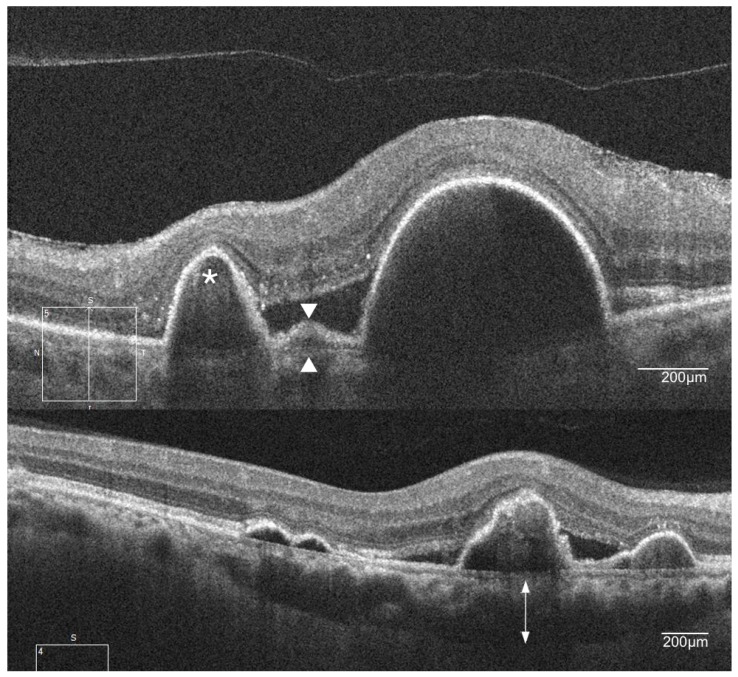
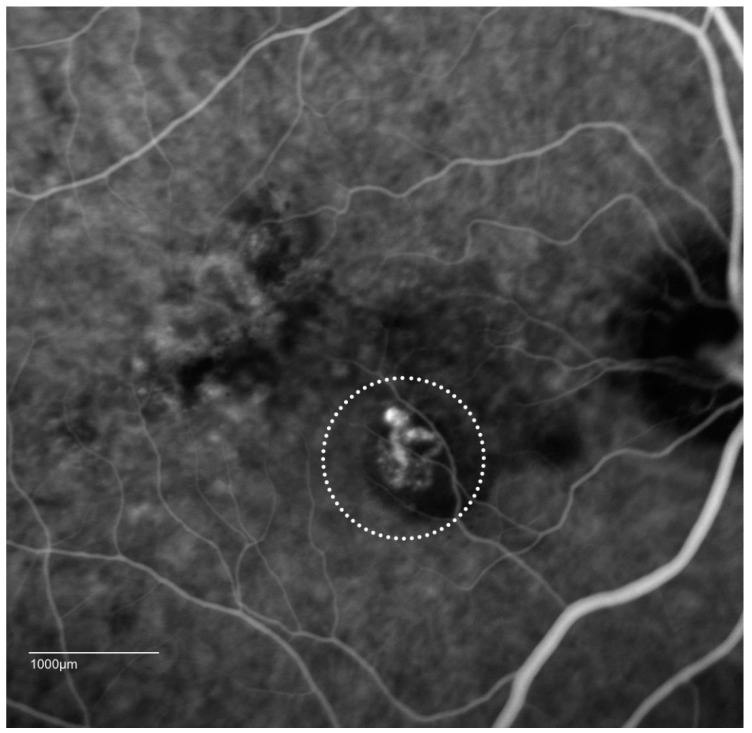
Polypoidal choroidal vasculopathy (PCV) is a subtype of neovascular age-related macular degeneration (AMD; nAMD) which occurs more commonly in Asian populations as compared to Caucasians. PCV and nAMD share pathological mechanisms, including pathological expression of vascular endothelial growth factor (VEGF). The advent of anti-vascular endothelial growth factor (VEGF) revolutionized the treatment of nAMD. Despite being a subtype of nAMD, PCV responds less well to VEGF inhibitors; thus, photodynamic therapy (PDT) in combination with anti-VEGF treatment may be considered. This review aims to summarize the current evidence for the treatment of PCV, especially whether VEGF inhibitors should be used alone or in combination with PDT.
息肉状脉络膜血管病变(PCV)是一种新生血管性年龄相关性黄斑变性(AMD;湿性 AMD)亚型,在亚洲人群中的发病率高于白种人。PCV 和 nAMD 具有相同的病理机制,包括血管内皮生长因子(VEGF)的病理性表达。抗血管内皮生长因子(VEGF)的出现彻底改变了 nAMD 的治疗方法。尽管 PCV 是 nAMD 的一种亚型,但对 VEGF 抑制剂的反应较差;因此,可能需要考虑光动力疗法(PDT)联合抗 VEGF 治疗。本综述旨在总结 PCV 的治疗现状,特别是 VEGF 抑制剂是单独使用还是联合 PDT 使用。