Xu Yuanyuan, Hu Yingying, Liu Changyong, Yao Hongyi, Liu Boxun, Mi Shengli
Biomanufacturing and Rapid Forming Technology Key Laboratory of Beijing, Department of Mechanical Engineering, Tsinghua University, Beijing 100084, China.
Biomanufacturing Engineering Laboratory, Advanced Manufacturing Division, Graduate School at Shenzhen, Tsinghua University, Shenzhen 518055, China.
Materials (Basel). 2018 Sep 1;11(9):1581. doi: 10.3390/ma11091581.
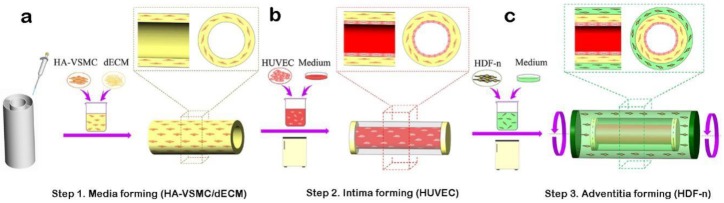
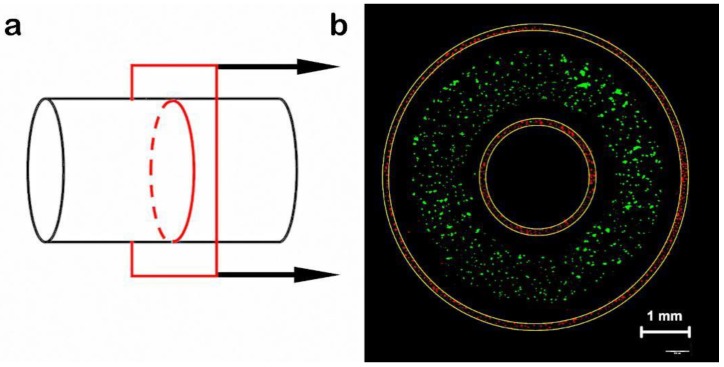
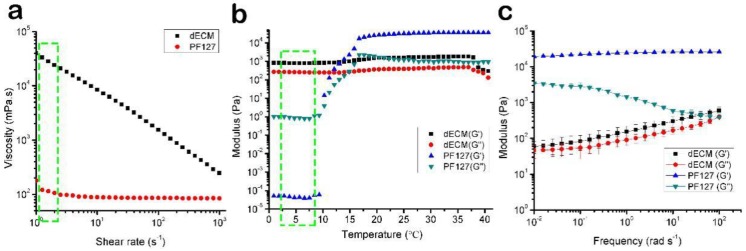
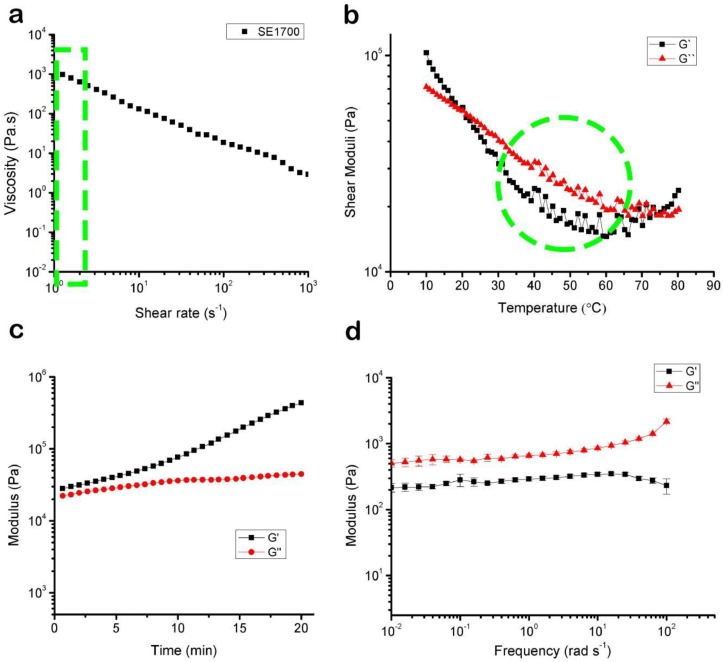
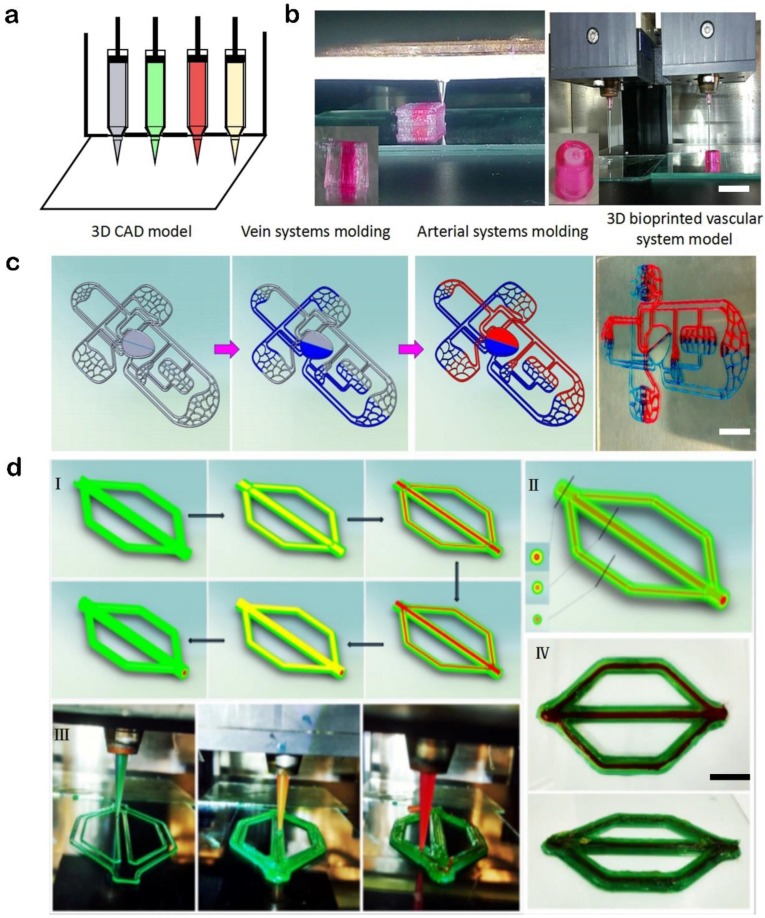
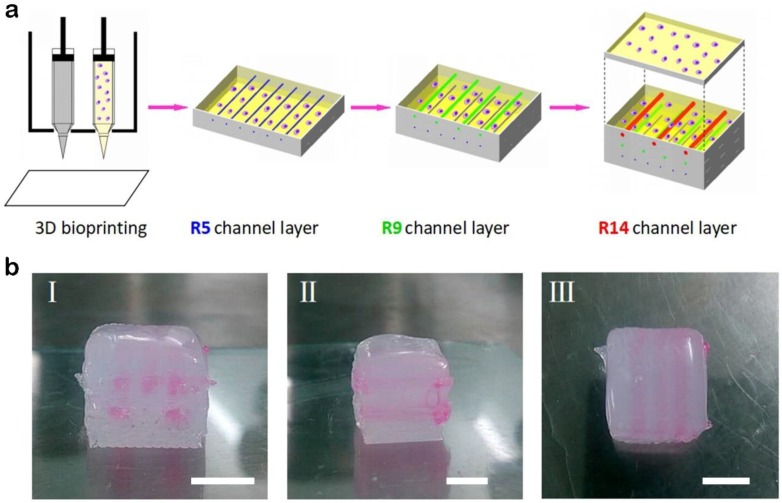
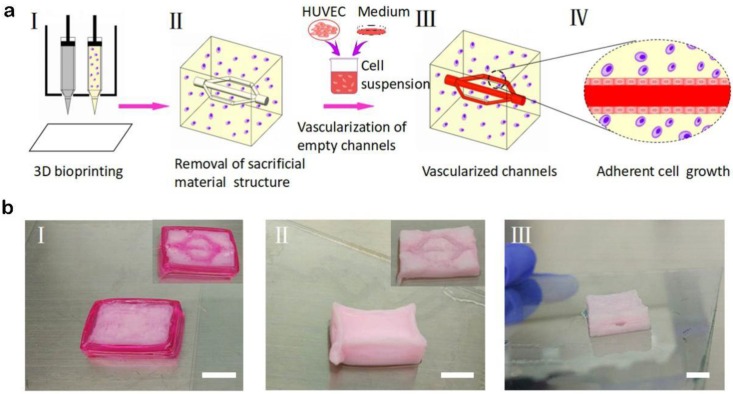
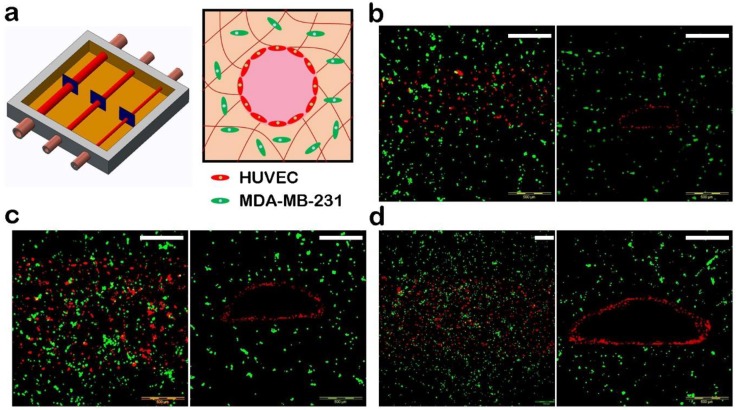
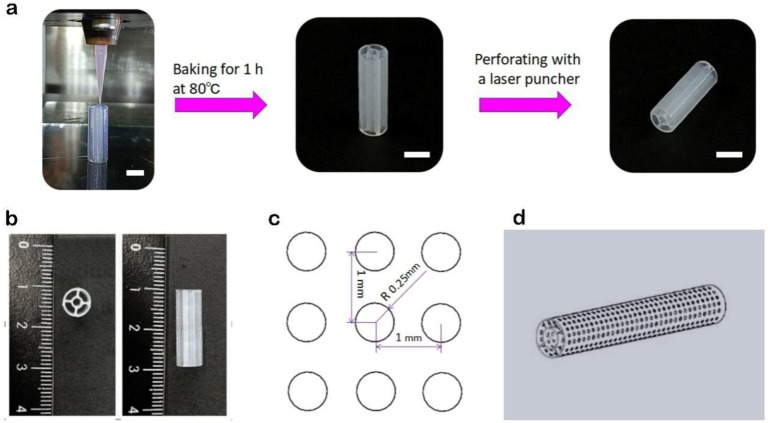
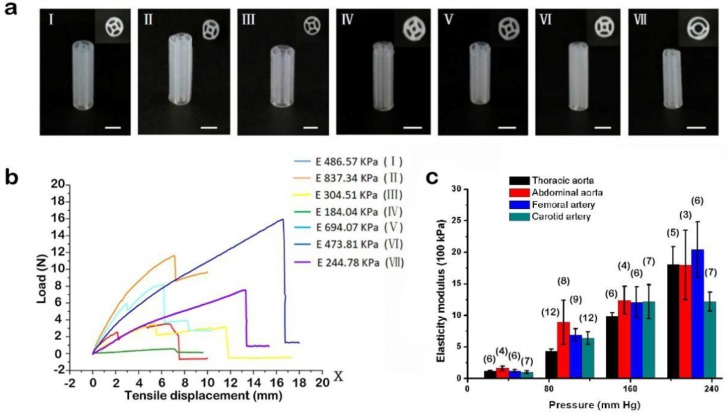
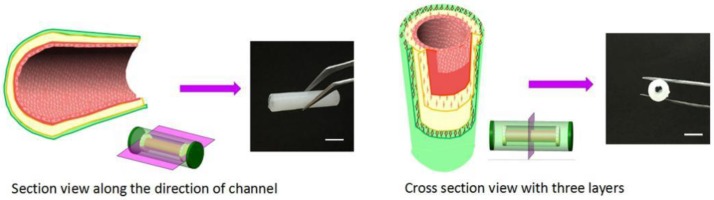
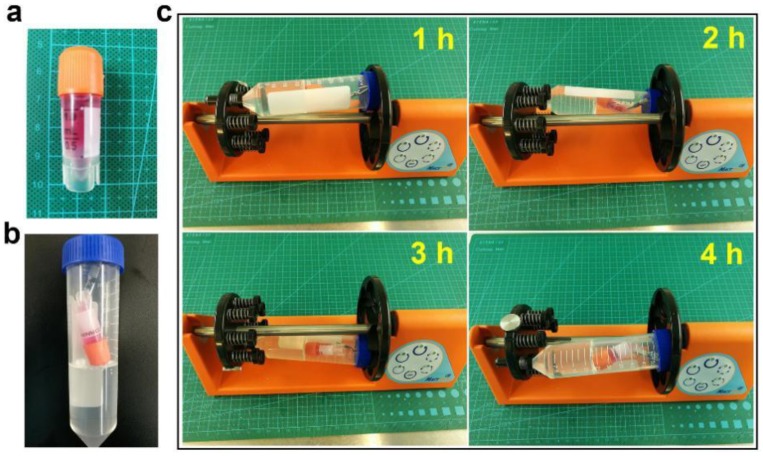
In this work, a novel strategy was developed to fabricate prevascularized cell-layer blood vessels in thick tissues and small-diameter blood vessel substitutes using three-dimensional (3D) bioprinting technology. These thick vascularized tissues were comprised of cells, a decellularized extracellular matrix (dECM), and a vasculature of multilevel sizes and multibranch architectures. Pluronic F127 (PF 127) was used as a sacrificial material for the formation of the vasculature through a multi-nozzle 3D bioprinting system. After printing, Pluronic F127 was removed to obtain multilevel hollow channels for the attachment of human umbilical vein endothelial cells (HUVECs). To reconstruct functional small-diameter blood vessel substitutes, a supporting scaffold (SE1700) with a double-layer circular structure was first bioprinted. Human aortic vascular smooth muscle cells (HA-VSMCs), HUVECs, and human dermal fibroblasts⁻neonatal (HDF-n) were separately used to form the media, intima, and adventitia through perfusion into the corresponding location of the supporting scaffold. In particular, the dECM was used as the matrix of the small-diameter blood vessel substitutes. After culture in vitro for 48 h, fluorescent images revealed that cells maintained their viability and that the samples maintained structural integrity. In addition, we analyzed the mechanical properties of the printed scaffold and found that its elastic modulus approximated that of the natural aorta. These findings demonstrate the feasibility of fabricating different kinds of vessels to imitate the structure and function of the human vascular system using 3D bioprinting technology.
在这项工作中,开发了一种新策略,利用三维(3D)生物打印技术在厚组织和小直径血管替代物中制造预血管化的细胞层血管。这些厚的血管化组织由细胞、脱细胞细胞外基质(dECM)以及多级尺寸和多分支结构的脉管系统组成。普朗尼克F127(PF 127)用作牺牲材料,通过多喷嘴3D生物打印系统形成脉管系统。打印后,去除普朗尼克F127以获得用于附着人脐静脉内皮细胞(HUVECs)的多级中空通道。为了重建功能性小直径血管替代物,首先生物打印具有双层圆形结构的支撑支架(SE1700)。人主动脉血管平滑肌细胞(HA-VSMCs)、HUVECs和人真皮成纤维细胞⁻新生儿(HDF-n)分别通过灌注到支撑支架的相应位置来形成中膜、内膜和外膜。特别地,dECM用作小直径血管替代物的基质。体外培养48小时后,荧光图像显示细胞保持活力,样品保持结构完整性。此外,我们分析了打印支架的力学性能,发现其弹性模量接近天然主动脉的弹性模量。这些发现证明了使用3D生物打印技术制造不同种类血管以模仿人体血管系统结构和功能的可行性。