Institute of Remote Sensing and Digital Earth, Chinese Academy of Sciences, Beijing 100094, China.
University of Chinese Academy of Sciences, Beijing 100049, China.
Sensors (Basel). 2018 Sep 1;18(9):2900. doi: 10.3390/s18092900.
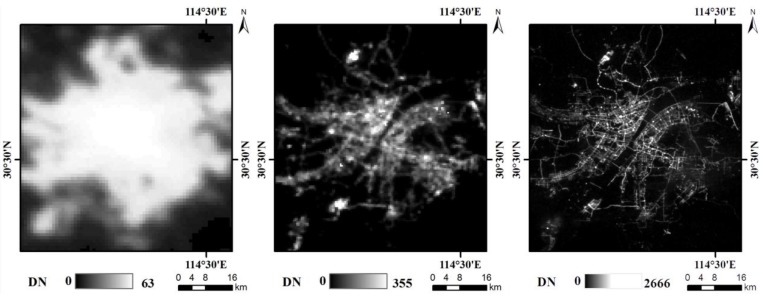
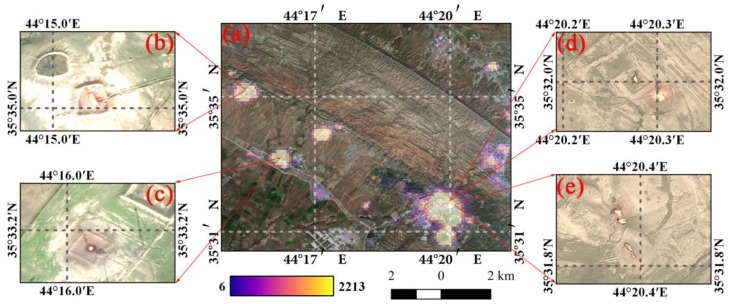
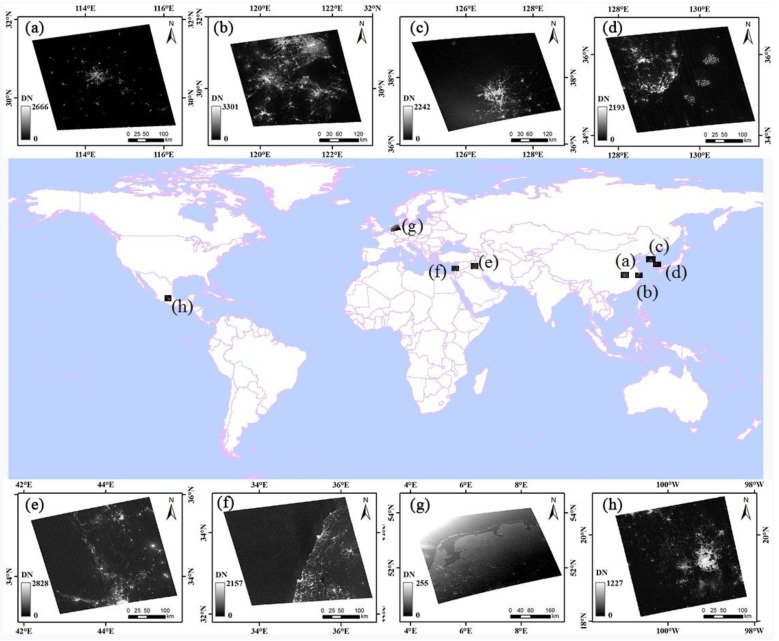
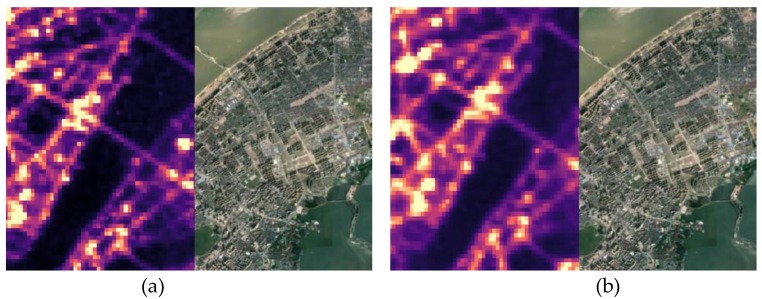
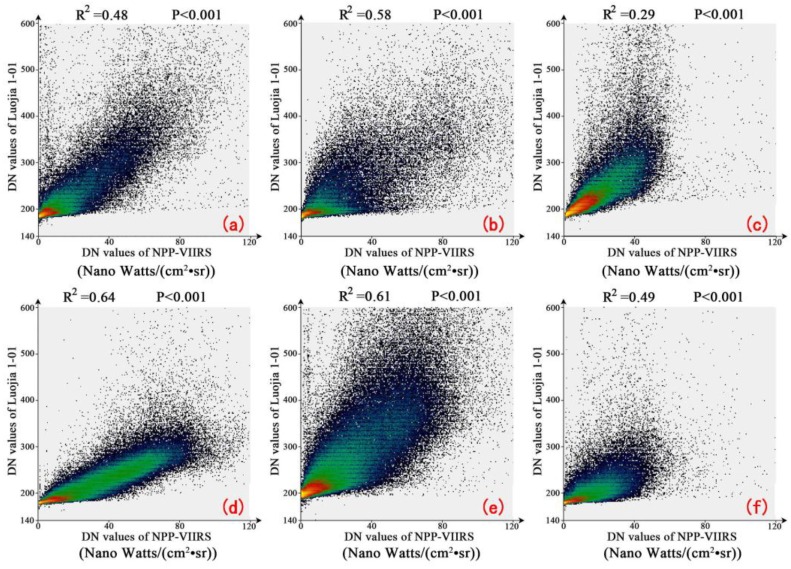
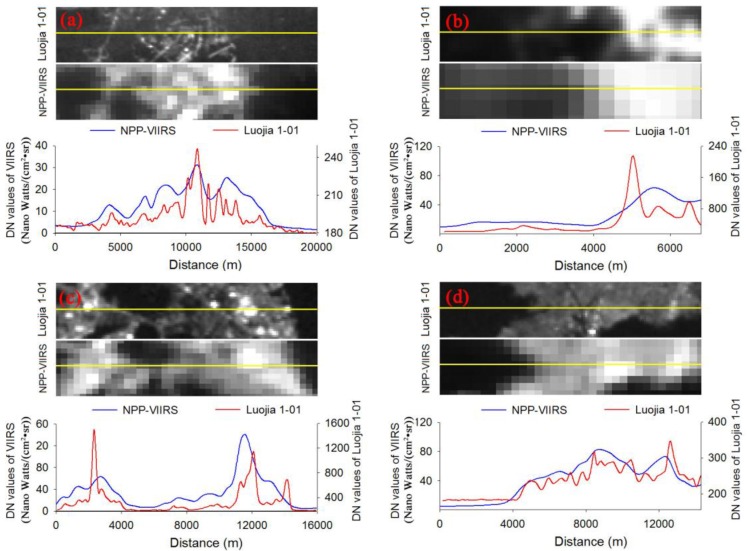
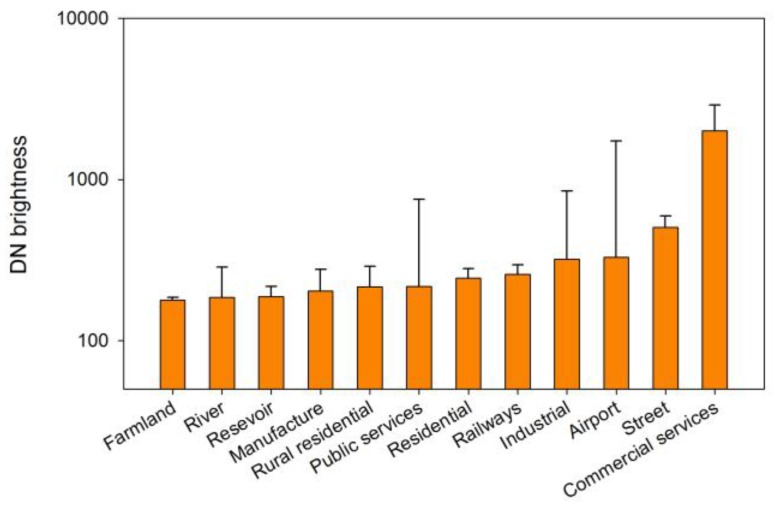
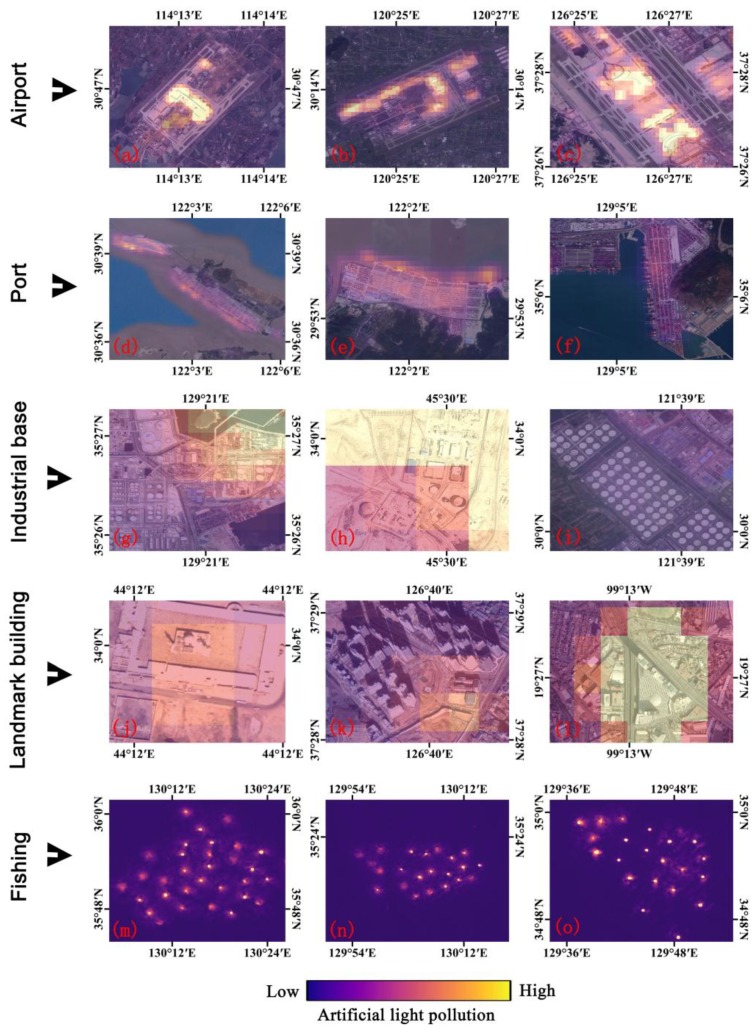
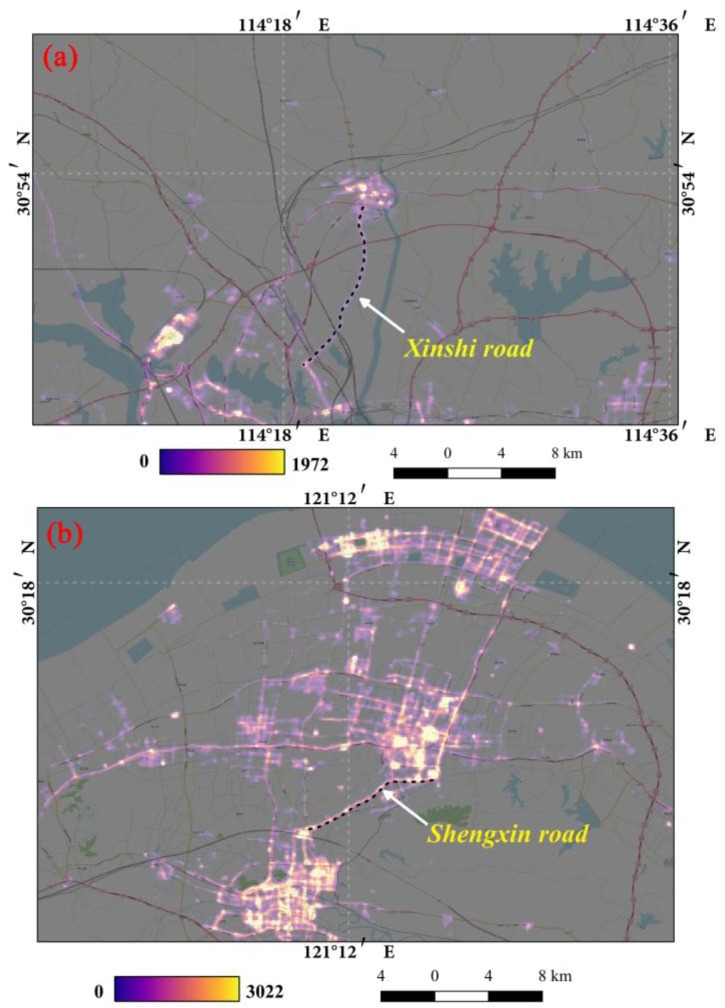
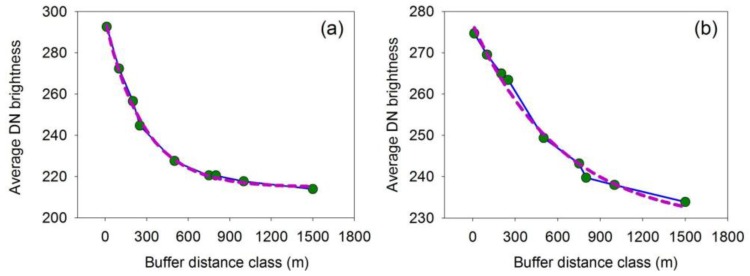
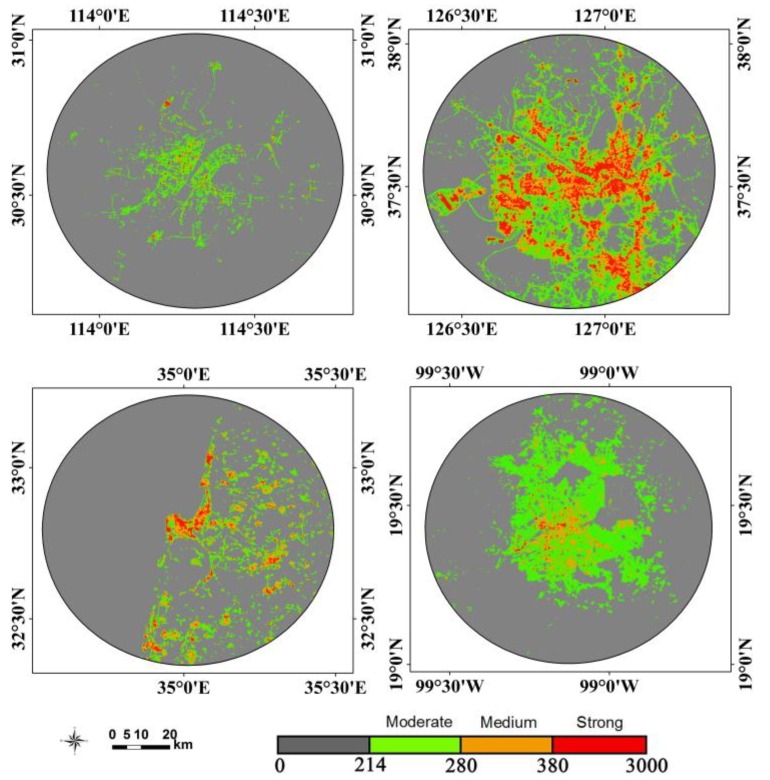
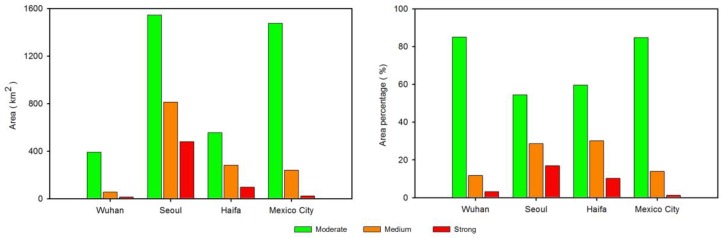
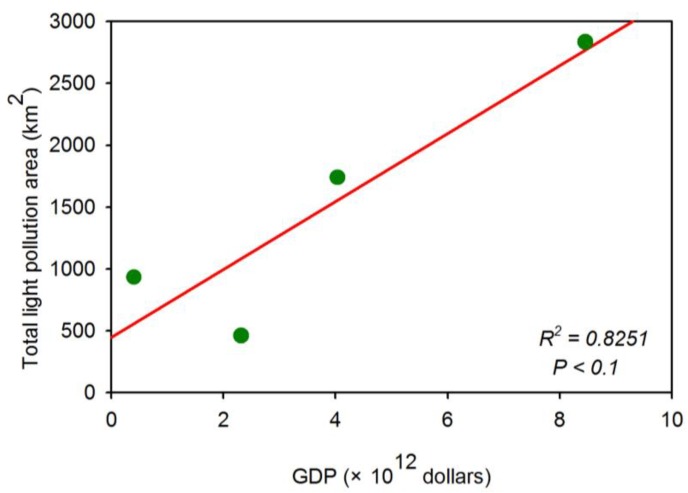
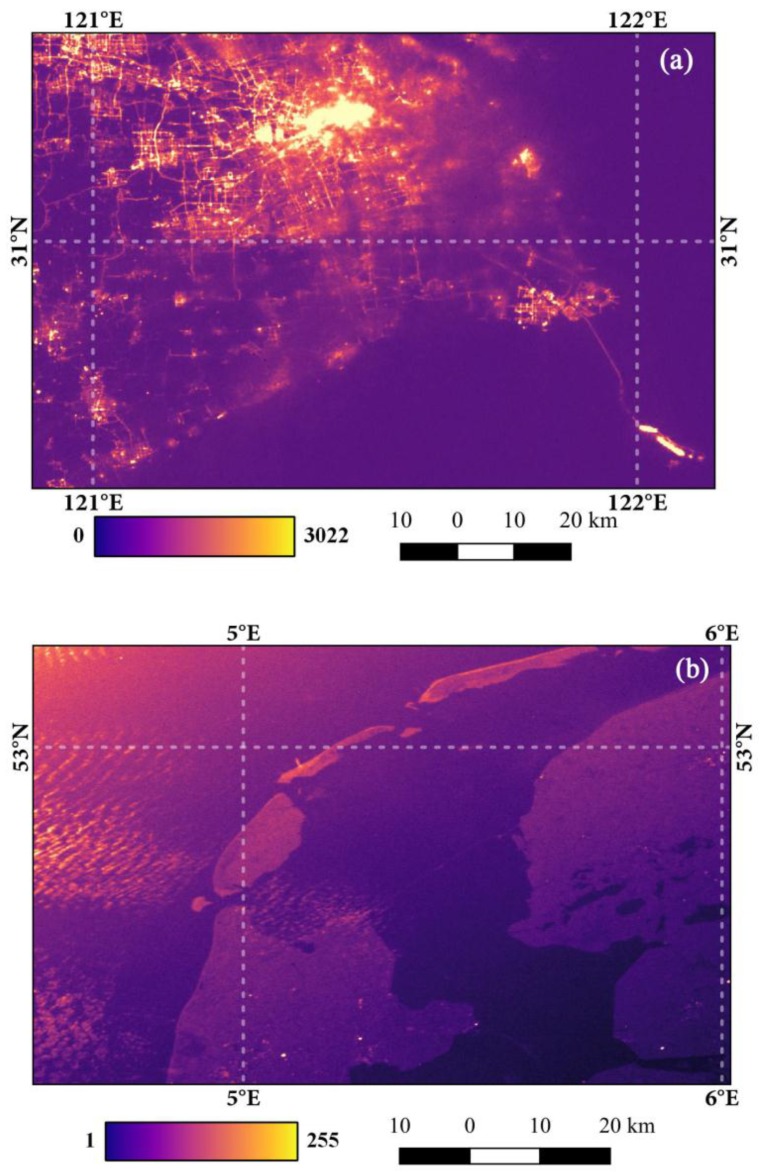
The successful launch of Luojia 1-01 complements the existing nighttime light data with a high spatial resolution of 130 m. This paper is the first study to assess the potential of using Luojia 1-01 nighttime light imagery for investigating artificial light pollution. Eight Luojia 1-01 images were selected to conduct geometric correction. Then, the ability of Luojia 1-01 to detect artificial light pollution was assessed from three aspects, including the comparison between Luojia 1-01 and the Suomi National Polar-Orbiting Partnership Visible Infrared Imaging Radiometer Suite (NPP-VIIRS), the source of artificial light pollution and the patterns of urban light pollution. Moreover, the advantages and limitations of Luojia 1-01 were discussed. The results showed the following: (1) Luojia 1-01 can detect a higher dynamic range and capture the finer spatial details of artificial nighttime light. (2) The averages of the artificial light brightness were different between various land use types. The brightness of the artificial light pollution of airports, streets, and commercial services is high, while dark areas include farmland and rivers. (3) The light pollution patterns of four cities decreased away from the urban core and the total light pollution is highly related to the economic development. Our findings confirm that Luojia 1-01 can be effectively used to investigate artificial light pollution. Some limitations of Luojia 1-01, including its spectral range, radiometric calibration and the effects of clouds and moonlight, should be researched in future studies.
“珞珈一号”01 星的成功发射,为夜间灯光数据增添了高空间分辨率 130 米的补充数据。本文首次研究了利用“珞珈一号”夜间灯光影像探测人为光污染的潜力。选取了 8 景“珞珈一号”01 星影像进行几何校正,从与 Suomi 国家极轨伙伴关系卫星搭载的可见红外成像辐射仪套件(NPP-VIIRS)的对比、人为光污染源和城市灯光污染模式三个方面评估了“珞珈一号”01 星探测人为光污染的能力,此外还讨论了“珞珈一号”01 星的优势与局限性。结果表明:(1)“珞珈一号”01 星能够探测到更高的动态范围,捕捉更精细的人为夜间灯光空间细节;(2)不同土地利用类型的人为灯光亮度平均值不同,机场、街道和商业服务区的人为光污染亮度较高,而农田和河流等则为暗区;(3)四个城市的灯光污染模式随着城市核心区的距离衰减,总灯光污染与经济发展高度相关。研究结果证实,“珞珈一号”01 星可有效用于探测人为光污染。未来研究应关注“珞珈一号”01 星的光谱范围、辐射校准以及云层和月光的影响等局限性。