School of Electronics and Computer Science, University of Southampton, Southampton SO17 1BJ, UK.
Seamax Engineering Pte Ltd., Bengaluru 560017, India.
Biosensors (Basel). 2018 Sep 10;8(3):83. doi: 10.3390/bios8030083.
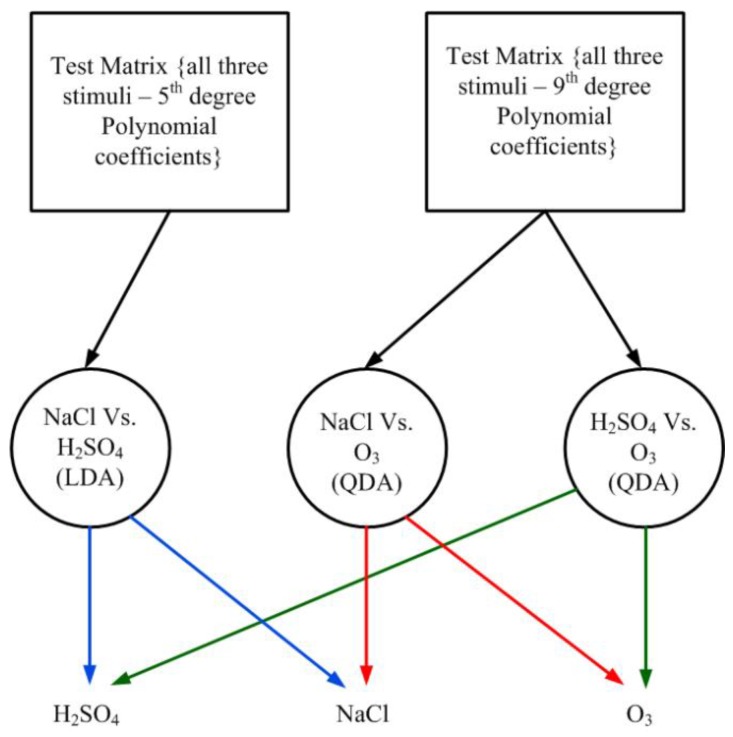
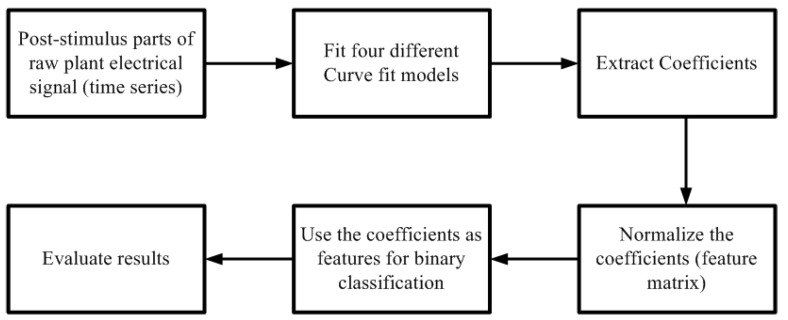
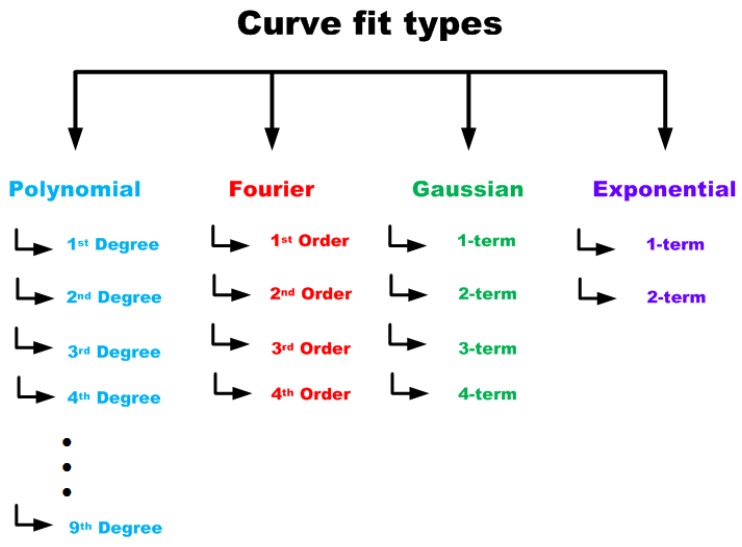
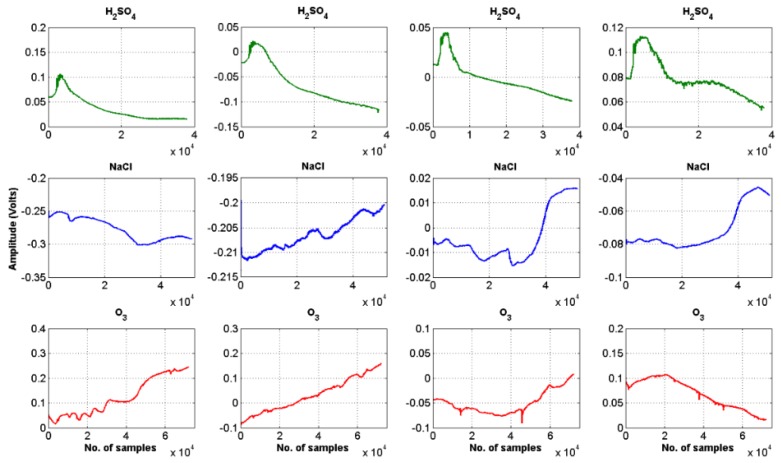
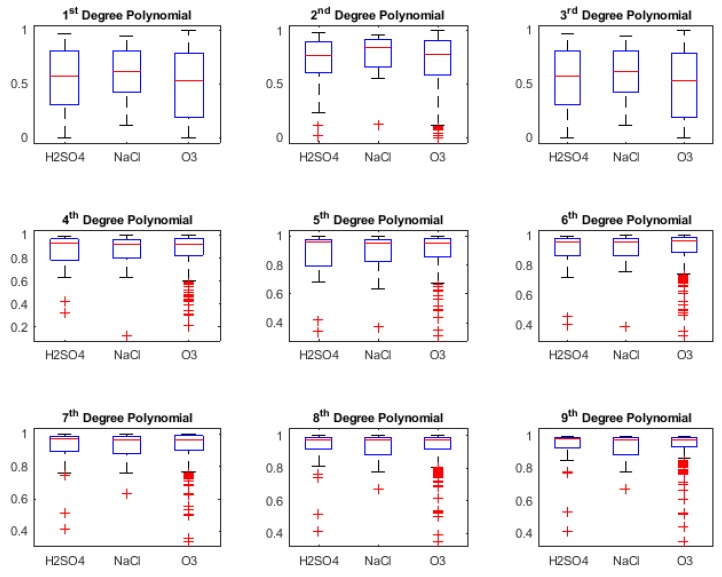
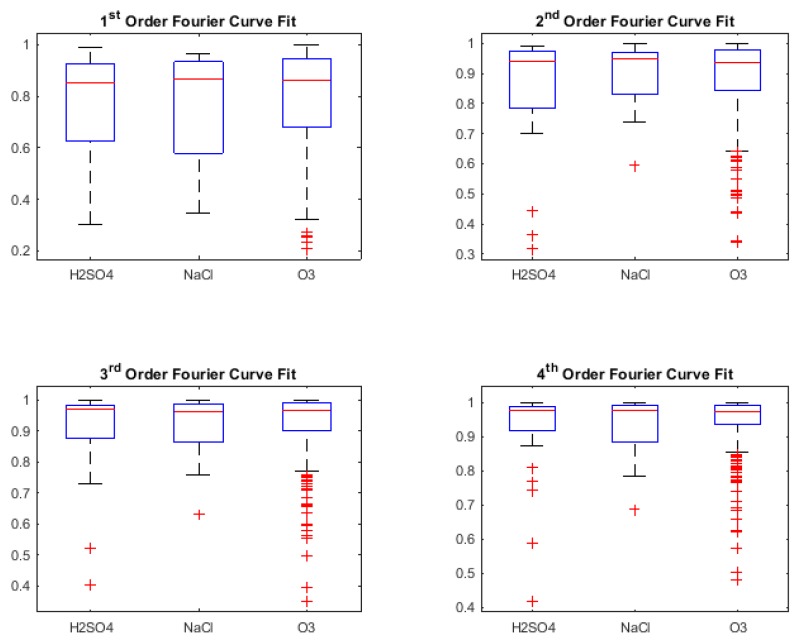
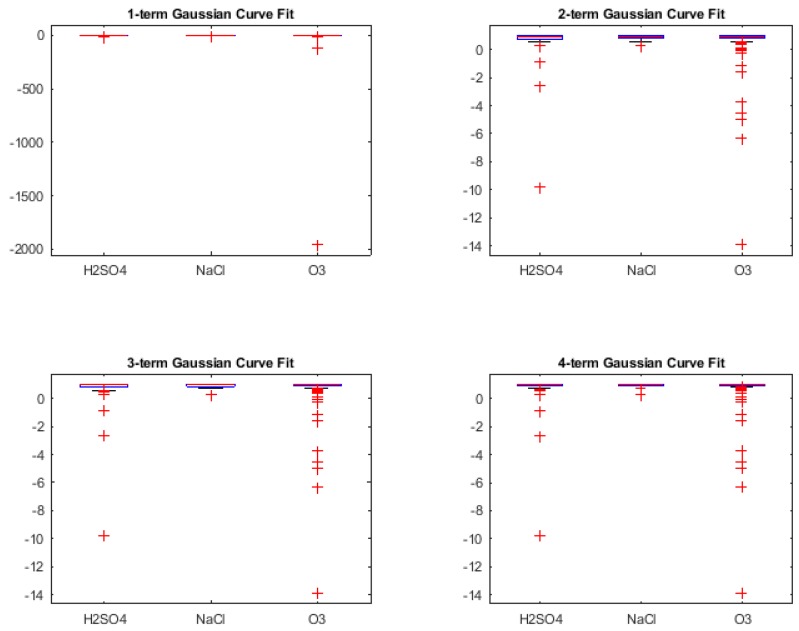
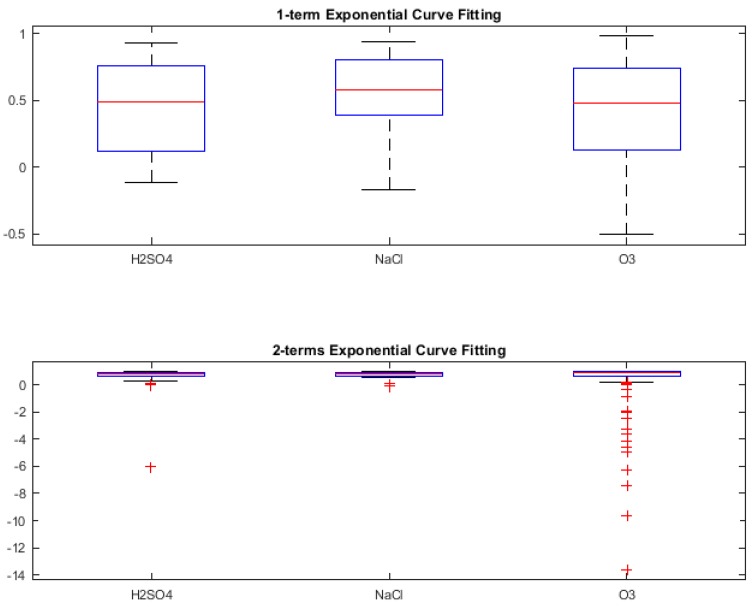
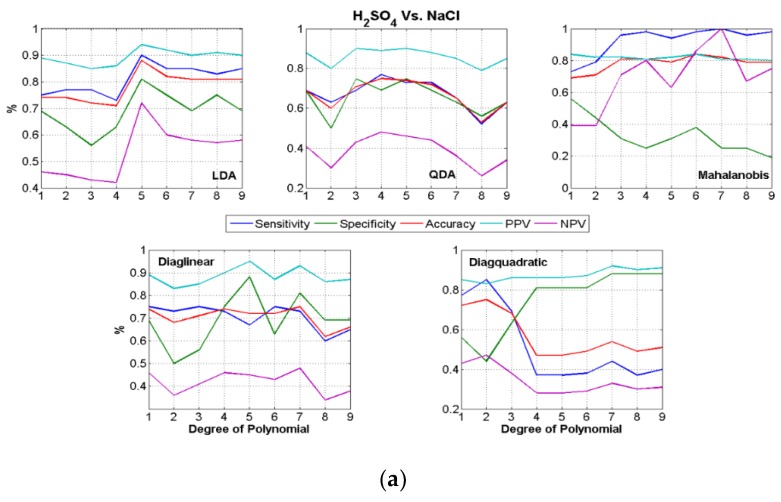
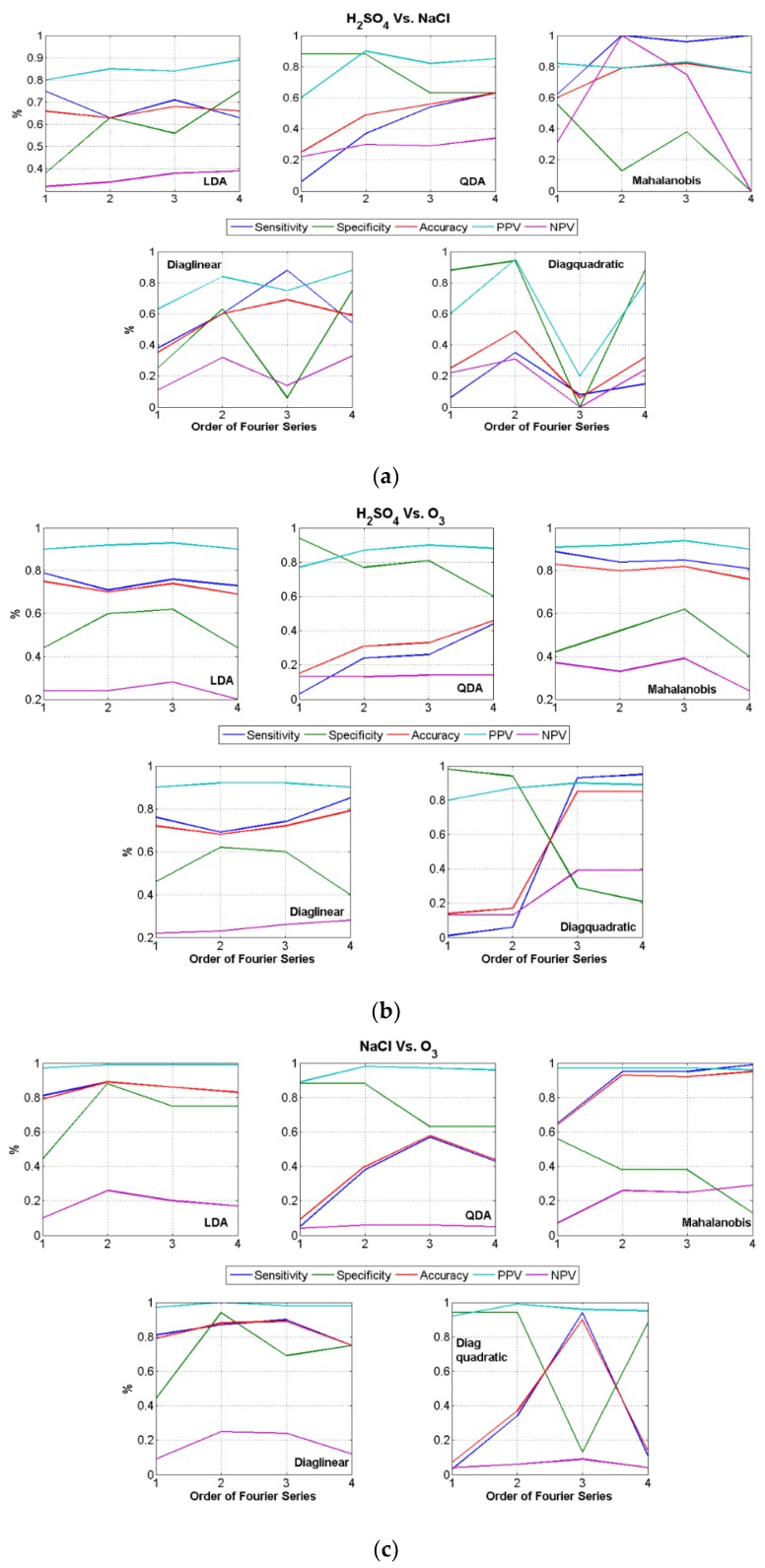
In order to exploit plants as environmental biosensors, previous researches have been focused on the electrical signal response of the plants to different environmental stimuli. One of the important outcomes of those researches has been the extraction of meaningful features from the electrical signals and the use of such features for the classification of the stimuli which affected the plants. The classification results are dependent on the classifier algorithm used, features extracted and the quality of data. This paper presents an innovative way of extracting features from raw plant electrical signal response to classify the external stimuli which caused the plant to produce such a signal. A curve fitting approach in extracting features from the raw signal for classification of the applied stimuli has been adopted in this work, thereby evaluating whether the shape of the raw signal is dependent on the stimuli applied. Four types of curve fitting models-Polynomial, Gaussian, Fourier and Exponential, have been explored. The fitting accuracy (i.e., fitting of curve to the actual raw signal) depicted through R-squared values has allowed exploration of which curve fitting model performs best. The coefficients of the curve fit models were then used as features. Thereafter, using simple classification algorithms such as Linear Discriminant Analysis (LDA), Quadratic Discriminant Analysis (QDA) etc. within the curve fit coefficient space, we have verified that within the available data, above 90% classification accuracy can be achieved. The successful hypothesis taken in this work will allow further research in implementing plants as environmental biosensors.
为了将植物用作环境生物传感器,之前的研究一直集中在植物对不同环境刺激的电信号响应上。这些研究的重要成果之一是从电信号中提取有意义的特征,并使用这些特征对影响植物的刺激进行分类。分类结果取决于所使用的分类器算法、提取的特征和数据质量。本文提出了一种从植物原始电信号响应中提取特征的创新方法,用于对产生这种信号的外部刺激进行分类。在这项工作中,采用了从原始信号中提取特征进行分类的曲线拟合方法,从而评估原始信号的形状是否取决于施加的刺激。探索了四种曲线拟合模型——多项式、高斯、傅里叶和指数,以评估哪种曲线拟合模型表现最佳。通过 R 平方值来描述拟合精度(即曲线对实际原始信号的拟合程度),从而探索哪种曲线拟合模型表现最佳。然后,使用简单的分类算法,如线性判别分析(LDA)、二次判别分析(QDA)等,在曲线拟合系数空间中,我们已经验证,在可用数据中,可以实现超过 90%的分类准确性。这项工作中采用的成功假设将允许进一步研究将植物用作环境生物传感器。