DOE Joint Genome Institute, 2800 Mitchell Dr, Walnut Creek, CA, 94598, USA.
Present Address: Monsanto, St. Louis, MO, USA.
BMC Genomics. 2018 Sep 17;19(1):679. doi: 10.1186/s12864-018-5055-5.
Sorghum bicolor is the fifth most commonly grown cereal worldwide and is remarkable for its drought and abiotic stress tolerance. For these reasons and the large size of biomass varieties, it has been proposed as a bioenergy crop. However, little is known about the genes underlying sorghum's abiotic stress tolerance and biomass yield.
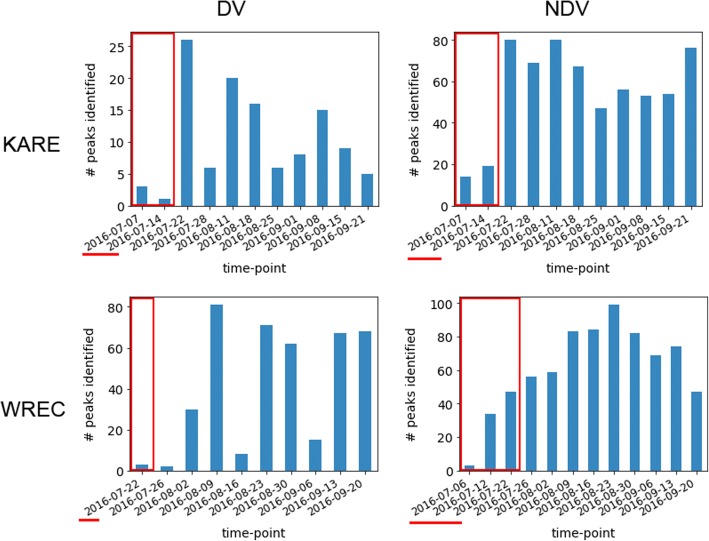
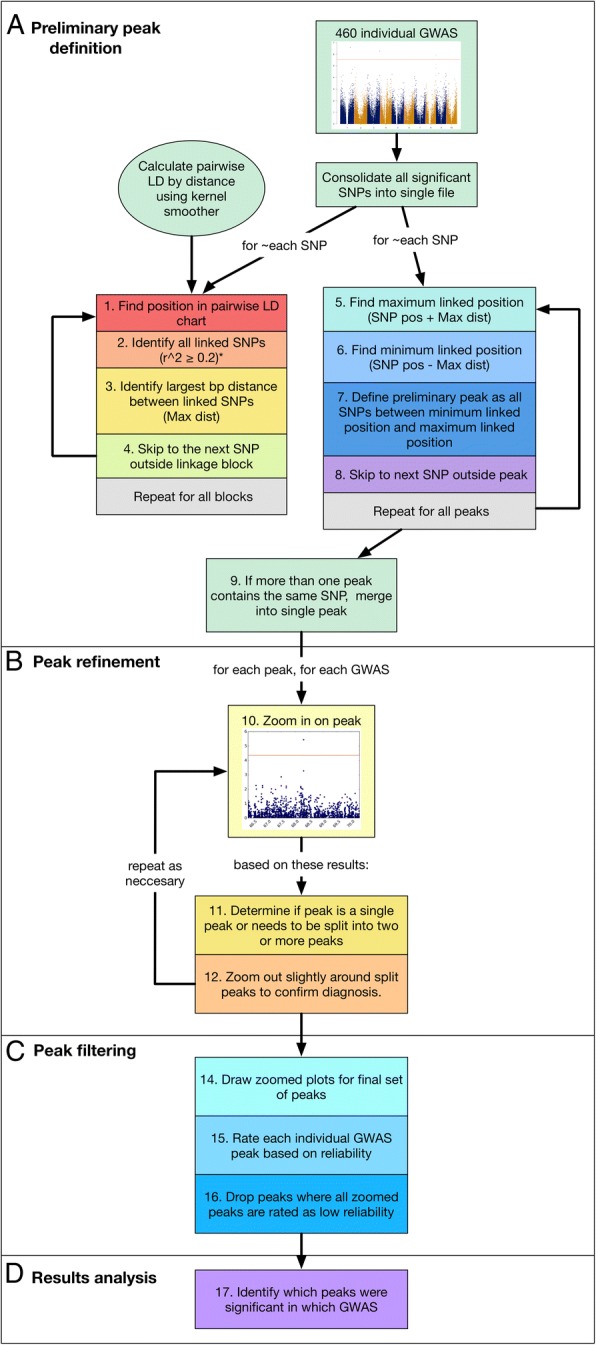
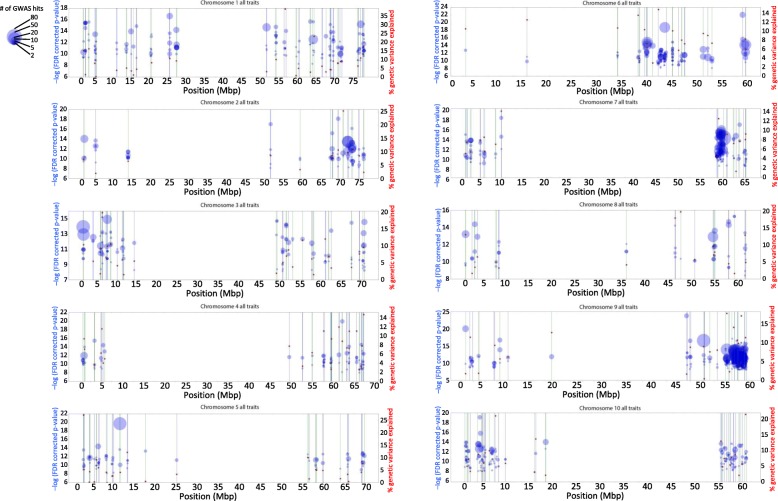
To uncover the genetic basis of drought tolerance in sorghum at a genome-wide level, we undertook a high-density phenomics genome wide association study (GWAS) in which 648 diverse sorghum lines were phenotyped at two locations in California once per week by drone over the course of a growing season. Biomass, height, and leaf area were measured by drone for individual field plots, subjected to two drought treatments and a well-watered control. The resulting dataset of ~ 171,000 phenotypic data-points was analyzed along with 183,989 genotype by sequence markers to reveal 213 high-quality, replicated, and conserved GWAS associations.
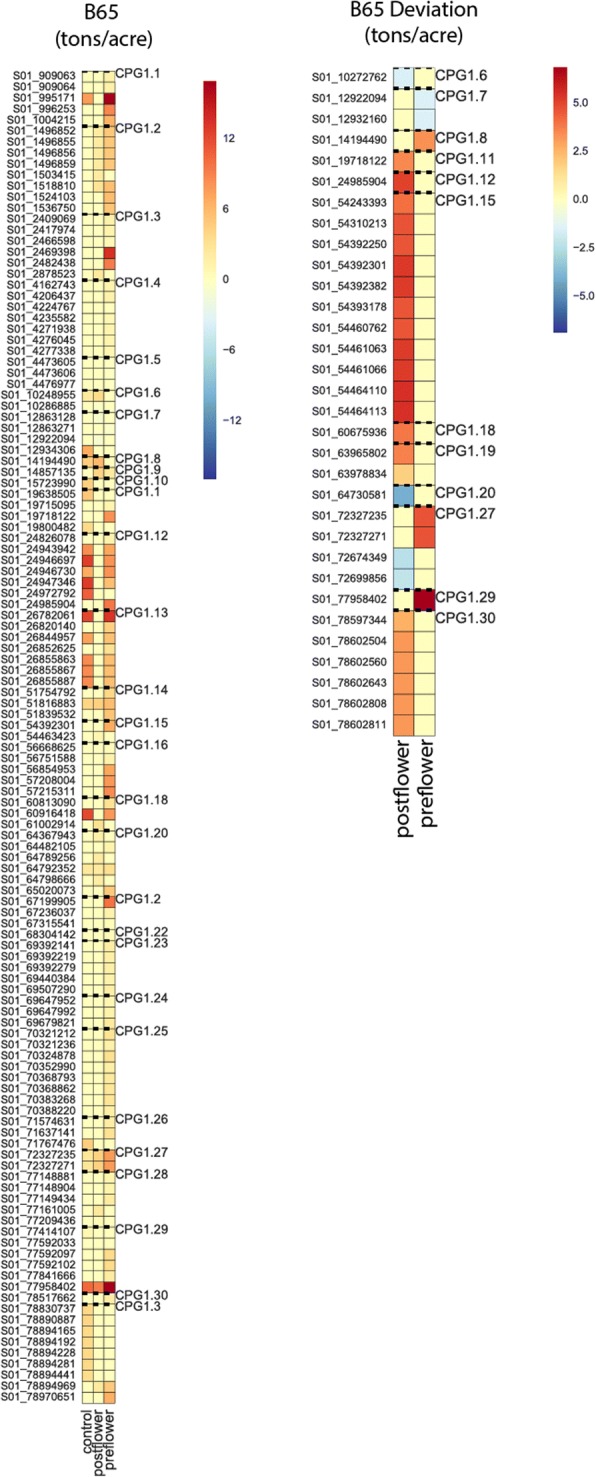
The genomic intervals defined by the associations include many strong candidate genes, including those encoding heat shock proteins, antifreeze proteins, and other domains recognized as important to plant stress responses. The markers identified by our study can be used for marker assisted selection for drought tolerance and biomass. In addition, our results are a significant step toward identifying specific sorghum genes controlling drought tolerance and biomass yield.
高粱是全球第五大主要粮食作物,以耐旱和抗非生物胁迫能力而著称。正因为如此,以及生物量品种的体积庞大,高粱已被提议作为生物能源作物。然而,人们对高粱抗非生物胁迫和生物量产量的基因知之甚少。
为了在全基因组水平上揭示高粱耐旱性的遗传基础,我们进行了高密度表型全基因组关联研究(GWAS),其中 648 个不同的高粱品系在加利福尼亚的两个地点每周通过无人机进行一次表型测定,整个生长季节。通过无人机对每个田间地块的生物量、高度和叶面积进行测量,这些地块经历了两种干旱处理和一种充分浇水的对照。对约 171000 个表型数据点的数据集进行了分析,并与 183989 个序列标记的基因型进行了分析,揭示了 213 个高质量、可重复和保守的 GWAS 关联。
关联定义的基因组区间包含许多强候选基因,包括编码热休克蛋白、抗冻蛋白和其他被认为对植物应激反应很重要的结构域的基因。我们研究中鉴定的标记可用于耐旱性和生物量的标记辅助选择。此外,我们的研究结果是确定控制耐旱性和生物量产量的特定高粱基因的重要一步。