Center for Brain Immunology and Glia (BIG), University of Virginia, Charlottesville, VA, USA.
Department of Neuroscience, University of Virginia, Charlottesville, VA, USA.
Nat Neurosci. 2018 Oct;21(10):1380-1391. doi: 10.1038/s41593-018-0227-9. Epub 2018 Sep 17.
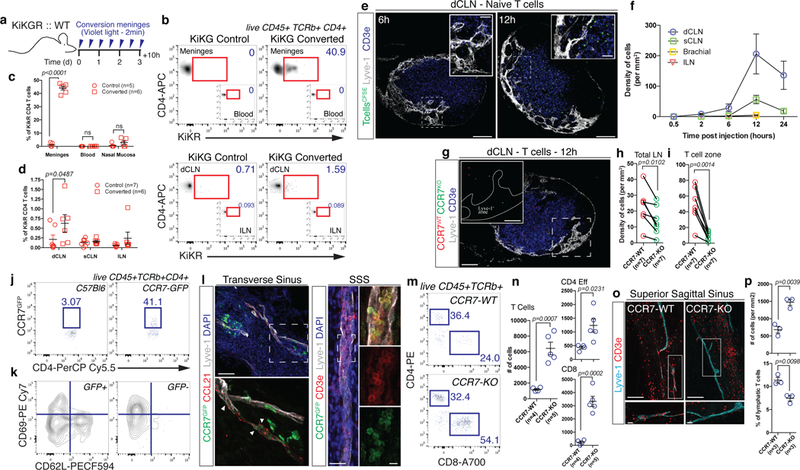
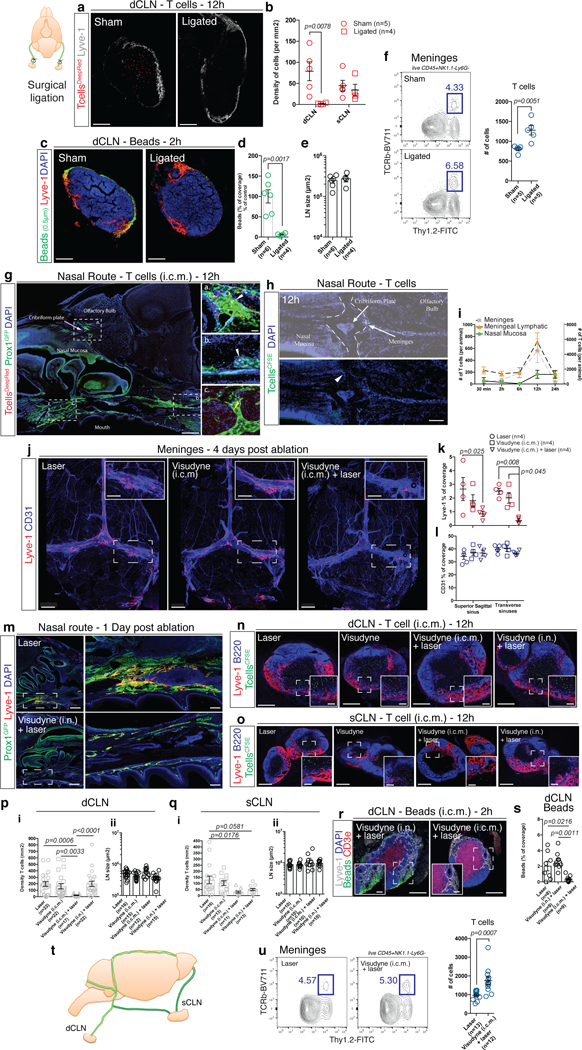
Neuroinflammatory diseases, such as multiple sclerosis, are characterized by invasion of the brain by autoreactive T cells. The mechanism for how T cells acquire their encephalitogenic phenotype and trigger disease remains, however, unclear. The existence of lymphatic vessels in the meninges indicates a relevant link between the CNS and peripheral immune system, perhaps affecting autoimmunity. Here we demonstrate that meningeal lymphatics fulfill two critical criteria: they assist in the drainage of cerebrospinal fluid components and enable immune cells to enter draining lymph nodes in a CCR7-dependent manner. Unlike other tissues, meningeal lymphatic endothelial cells do not undergo expansion during inflammation, and they express a unique transcriptional signature. Notably, the ablation of meningeal lymphatics diminishes pathology and reduces the inflammatory response of brain-reactive T cells during an animal model of multiple sclerosis. Our findings demonstrate that meningeal lymphatics govern inflammatory processes and immune surveillance of the CNS and pose a valuable target for therapeutic intervention.
神经炎症性疾病,如多发性硬化症,其特征是自身反应性 T 细胞侵犯大脑。然而,T 细胞如何获得其致脑炎表型并引发疾病的机制仍不清楚。脑膜中淋巴管的存在表明中枢神经系统与外周免疫系统之间存在相关联系,可能影响自身免疫。在这里,我们证明脑膜淋巴管满足两个关键标准:它们有助于脑脊液成分的引流,并使免疫细胞以 CCR7 依赖性的方式进入引流淋巴结。与其他组织不同,脑膜淋巴管在炎症过程中不会扩张,并且它们表达独特的转录特征。值得注意的是,脑膜淋巴管的消融可减轻病理并减少多发性硬化症动物模型中脑反应性 T 细胞的炎症反应。我们的研究结果表明,脑膜淋巴管控制中枢神经系统的炎症过程和免疫监视,并为治疗干预提供了有价值的靶点。