Department of Pharmaceutical Sciences, University of California, Irvine, CA, USA.
Biomed Res Int. 2018 Aug 29;2018:3570830. doi: 10.1155/2018/3570830. eCollection 2018.
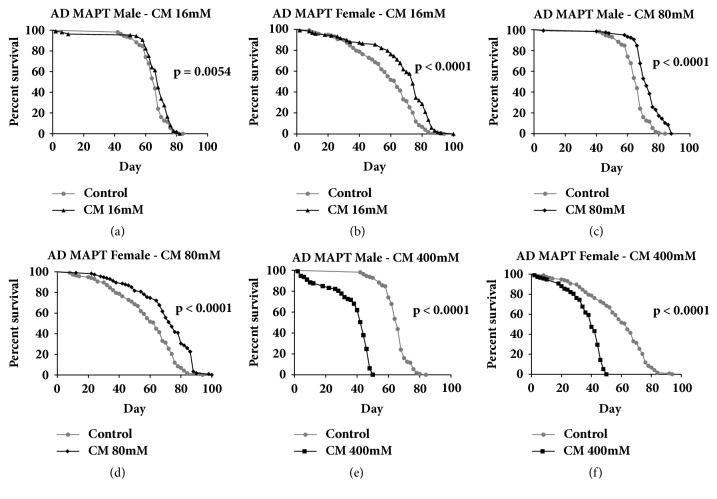
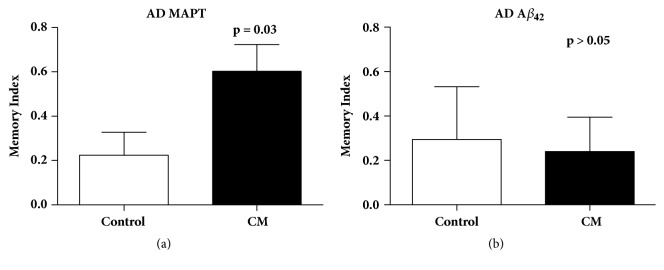
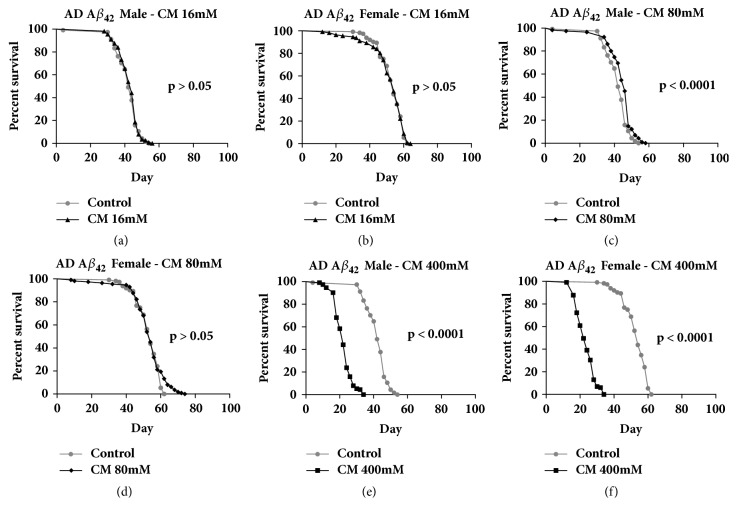
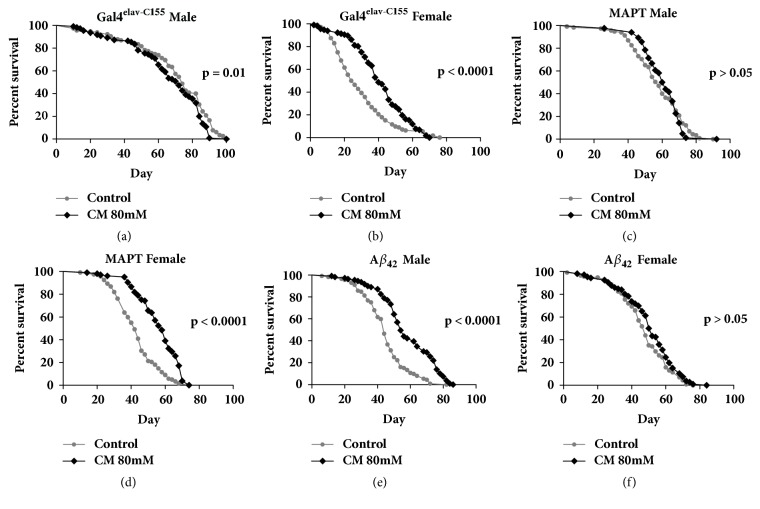
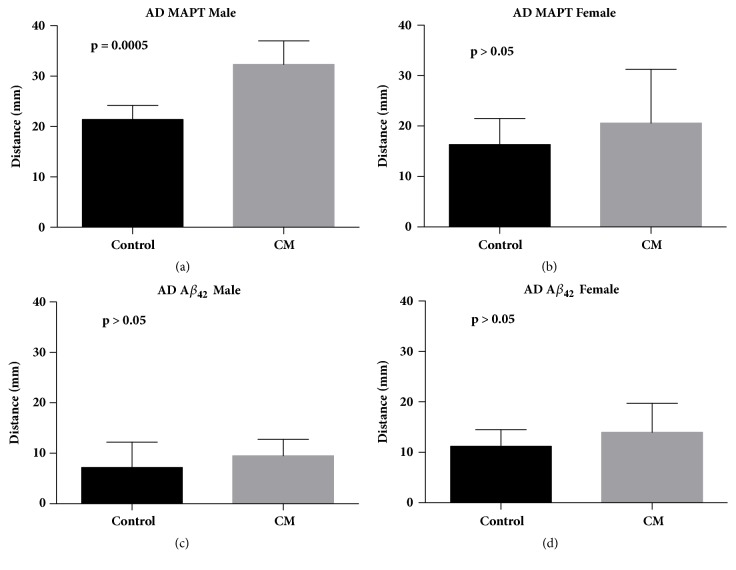
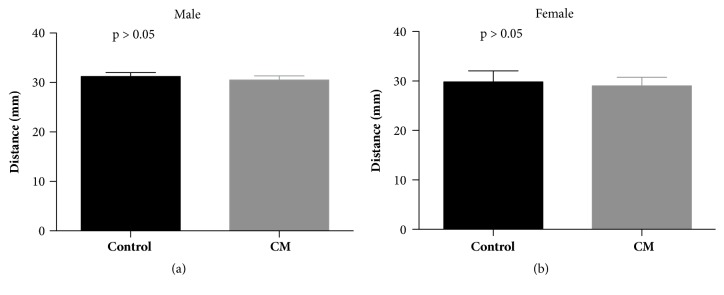
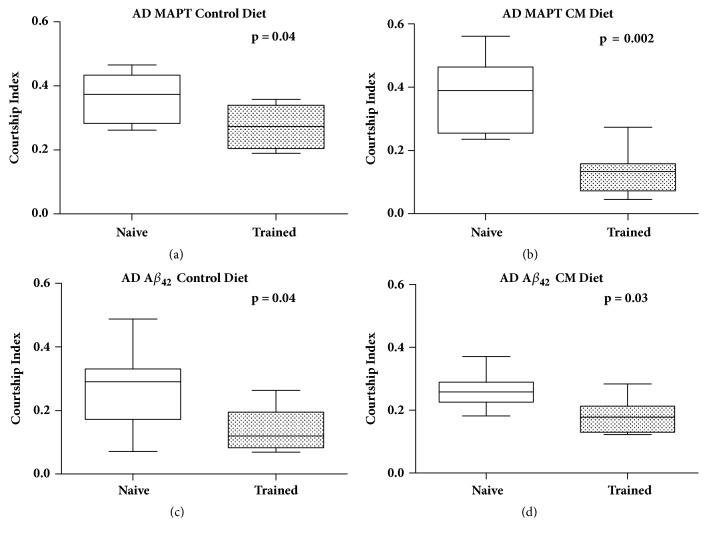
Cinnamon extract has been reported to have positive effects in fruit fly and mouse models for Alzheimer's disease (AD). However, cinnamon contains numerous potential active compounds that have not been individually evaluated. The main objective of this study was to evaluate the impact of cinnamaldehyde, a known putative active compound in cinnamon, on the lifespan and healthspan of models for Alzheimer's disease, which overexpress A and MAPT (Tau). We found that cinnamaldehyde significantly improved the lifespan of both AD and non-AD flies. Cinnamaldehyde also improved the healthspan of AD flies overexpressing the Tau protein by improving climbing ability, evaluated by rapid iterative negative geotaxis (RING), and improving short-term memory, evaluated by a courtship conditioning assay. Cinnamaldehyde had no positive impact on the healthspan of AD flies overexpressing the A protein.
肉桂提取物已被报道在阿尔茨海默病(AD)的果蝇和小鼠模型中具有积极作用。然而,肉桂含有许多尚未单独评估的潜在活性化合物。本研究的主要目的是评估肉桂醛作为肉桂中已知的假定活性化合物对过表达 A 和 MAPT(Tau)的阿尔茨海默病模型的寿命和健康寿命的影响。我们发现,肉桂醛显著延长了 AD 和非 AD 果蝇的寿命。肉桂醛还通过改善快速迭代负趋地性(RING)评估的攀爬能力,以及通过求偶条件反射试验评估的短期记忆,改善了过表达 Tau 蛋白的 AD 果蝇的健康寿命。肉桂醛对过表达 A 蛋白的 AD 果蝇的健康寿命没有积极影响。