Sociology Department, University of Amsterdam, Amsterdam, The Netherlands.
PLoS One. 2018 Sep 20;13(9):e0203958. doi: 10.1371/journal.pone.0203958. eCollection 2018.
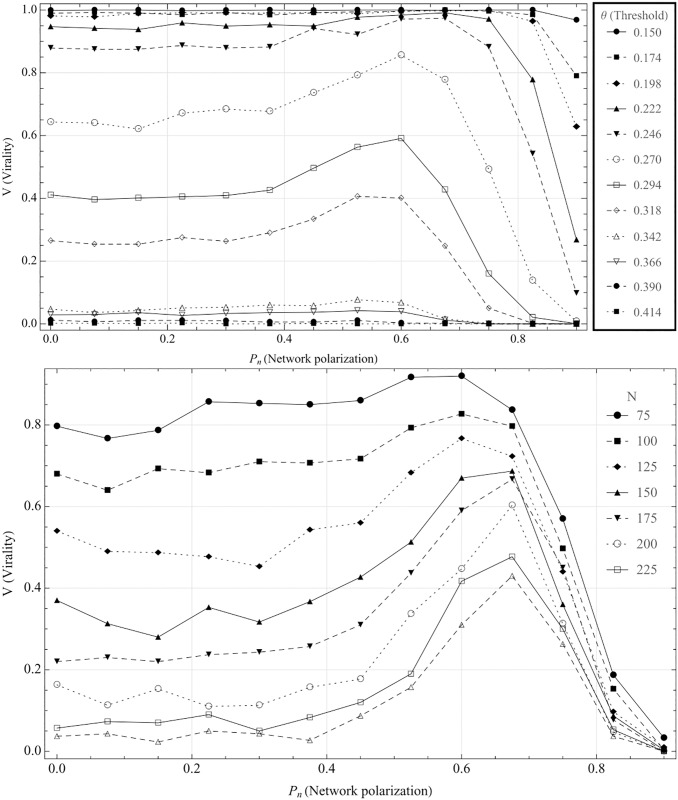
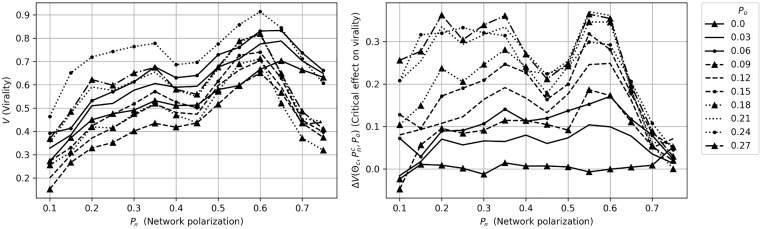
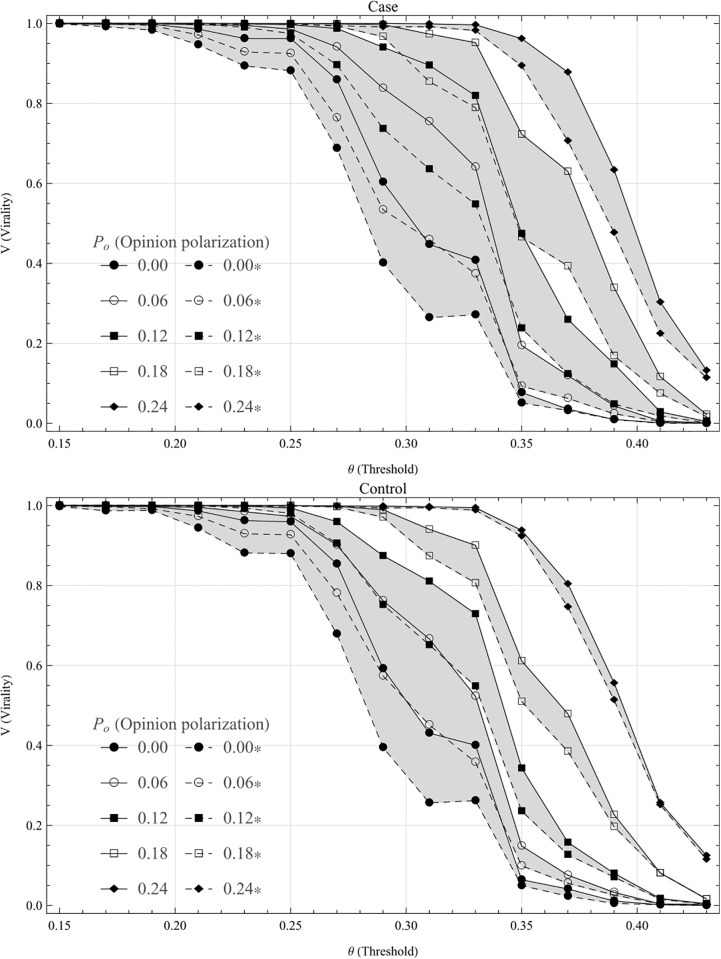
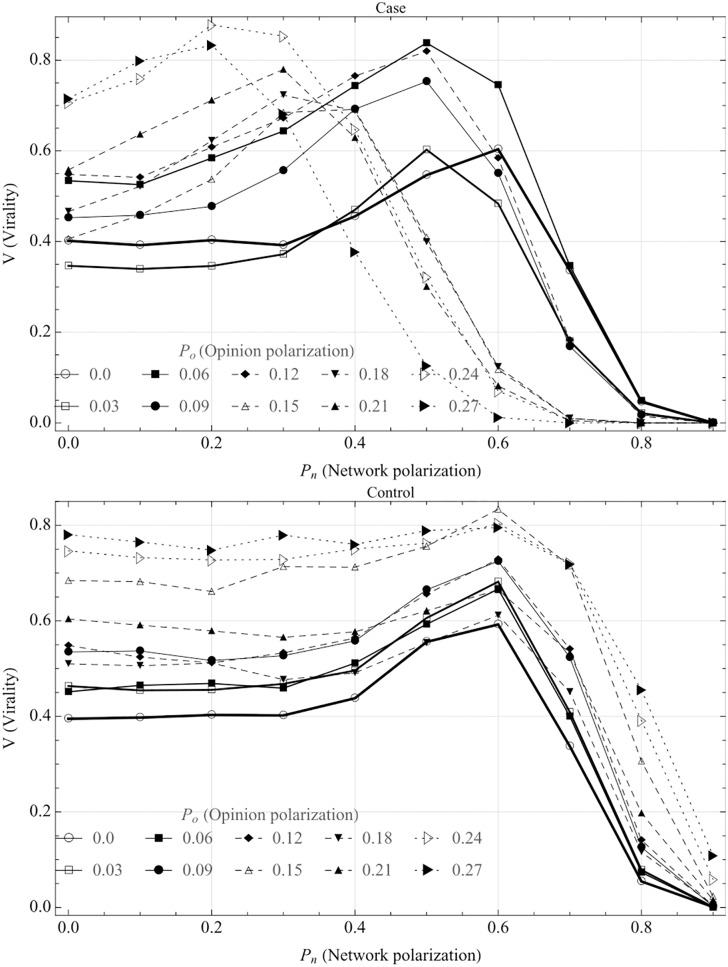
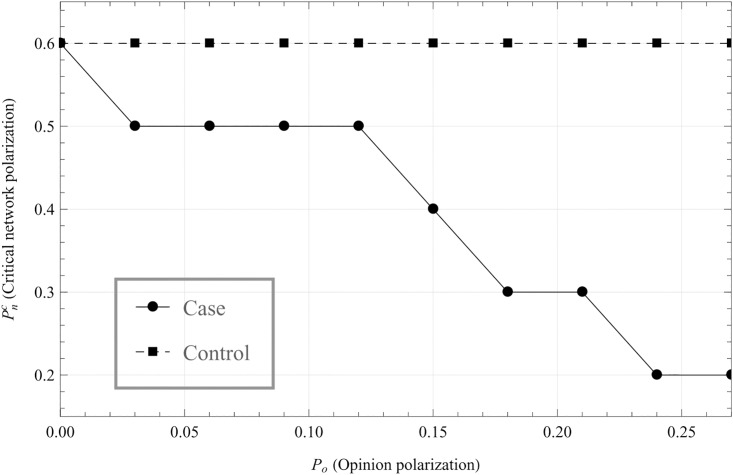
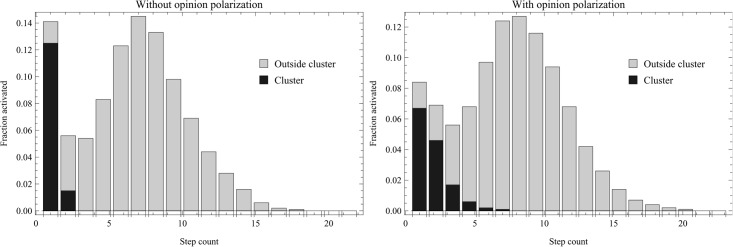
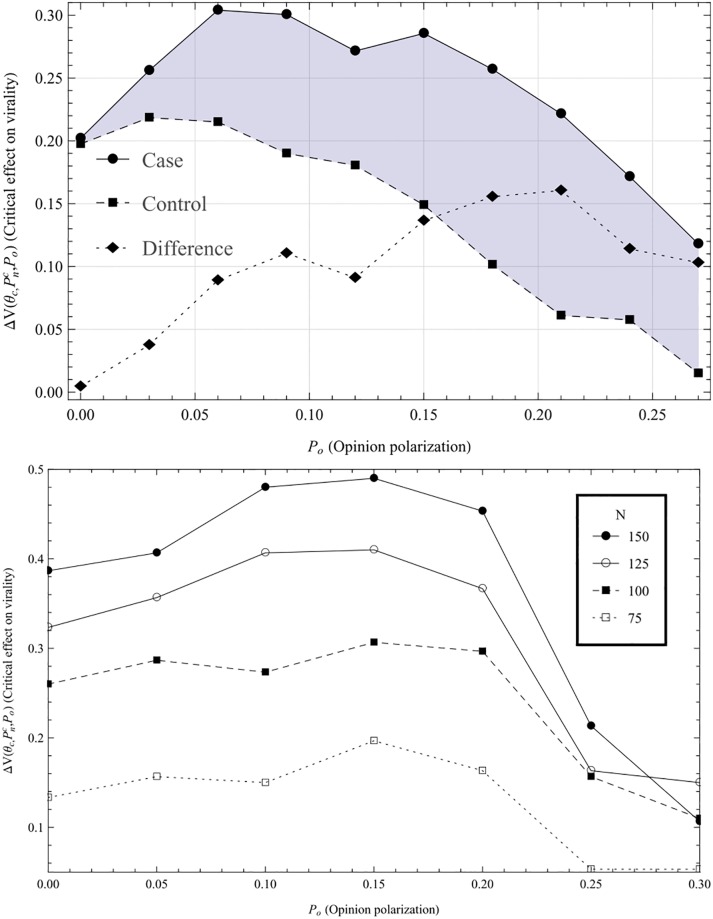
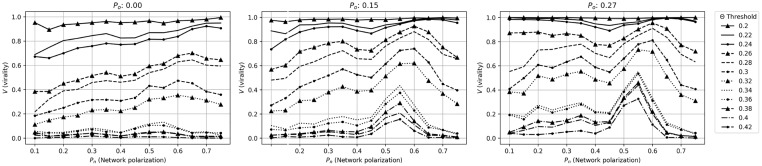
The viral spread of digital misinformation has become so severe that the World Economic Forum considers it among the main threats to human society. This spread have been suggested to be related to the similarly problematized phenomenon of "echo chambers", but the causal nature of this relationship has proven difficult to disentangle due to the connected nature of social media, whose causality is characterized by complexity, non-linearity and emergence. This paper uses a network simulation model to study a possible relationship between echo chambers and the viral spread of misinformation. It finds an "echo chamber effect": the presence of an opinion and network polarized cluster of nodes in a network contributes to the diffusion of complex contagions, and there is a synergetic effect between opinion and network polarization on the virality of misinformation. The echo chambers effect likely comes from that they form the initial bandwagon for diffusion. These findings have implication for the study of the media logic of new social media.
数字错误信息的病毒式传播已经变得非常严重,以至于世界经济论坛将其视为人类社会的主要威胁之一。这种传播据称与同样存在问题的“回音室”现象有关,但由于社交媒体的关联性,这种关系的因果性质很难理清,因为社交媒体的因果关系具有复杂性、非线性和涌现性。本文使用网络模拟模型来研究回音室与错误信息病毒式传播之间可能存在的关系。研究发现了一种“回音室效应”:网络中存在意见和网络极化的节点集群会促进复杂传染病的传播,而意见和网络极化对错误信息的传播存在协同效应。回音室效应可能源于它们构成了扩散的初始跟风群体。这些发现对于研究新媒体的媒体逻辑具有启示意义。