Ladlow Peter, Coppack Russell J, Dharm-Datta Shreshth, Conway Dean, Sellon Edward, Patterson Stephen D, Bennett Alexander N
Academic Department of Military Rehabilitation, Defence Medical Rehabilitation Centre, Headley Court, Epsom, United Kingdom.
Department for Health, University of Bath, Bath, United Kingdom.
Front Physiol. 2018 Sep 10;9:1269. doi: 10.3389/fphys.2018.01269. eCollection 2018.
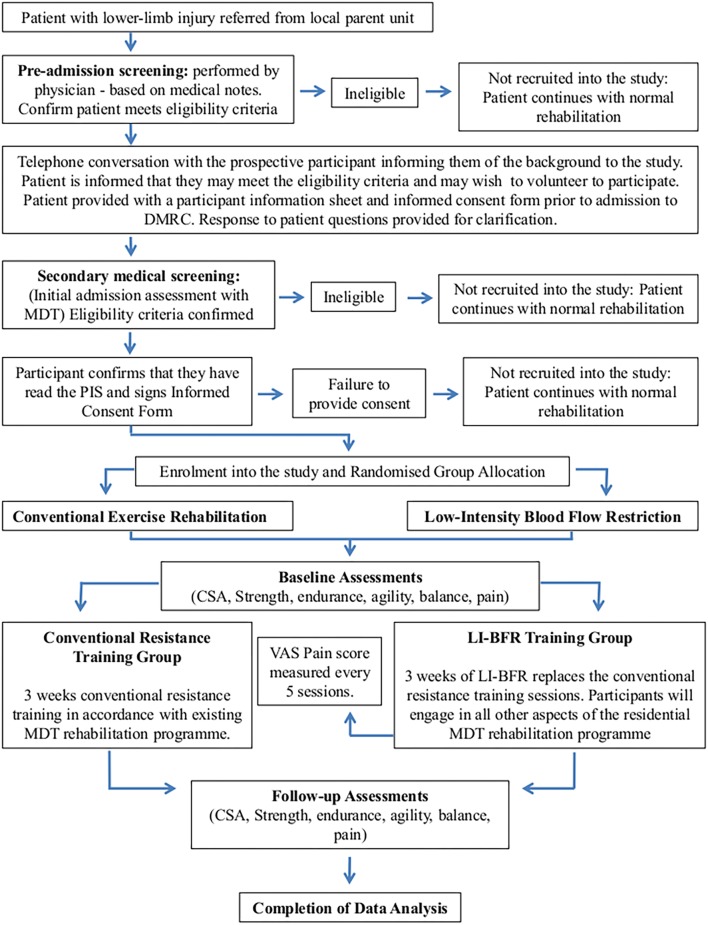
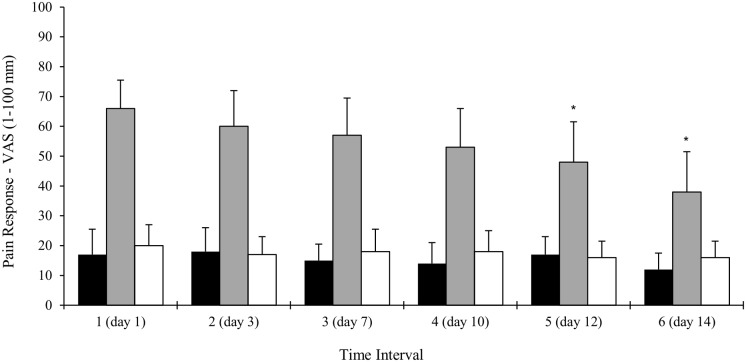
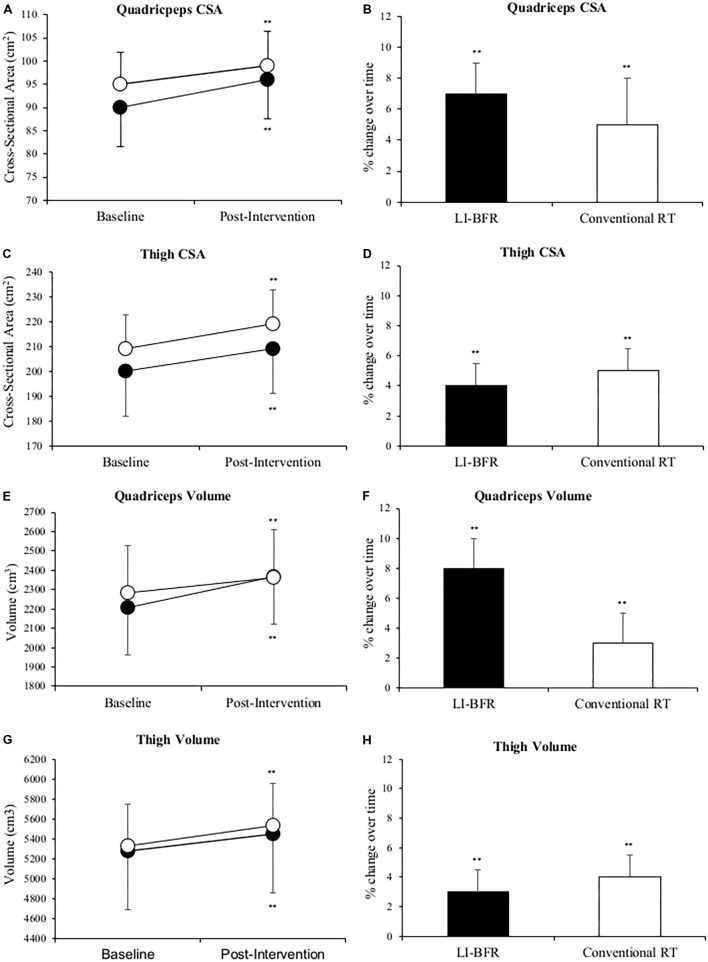
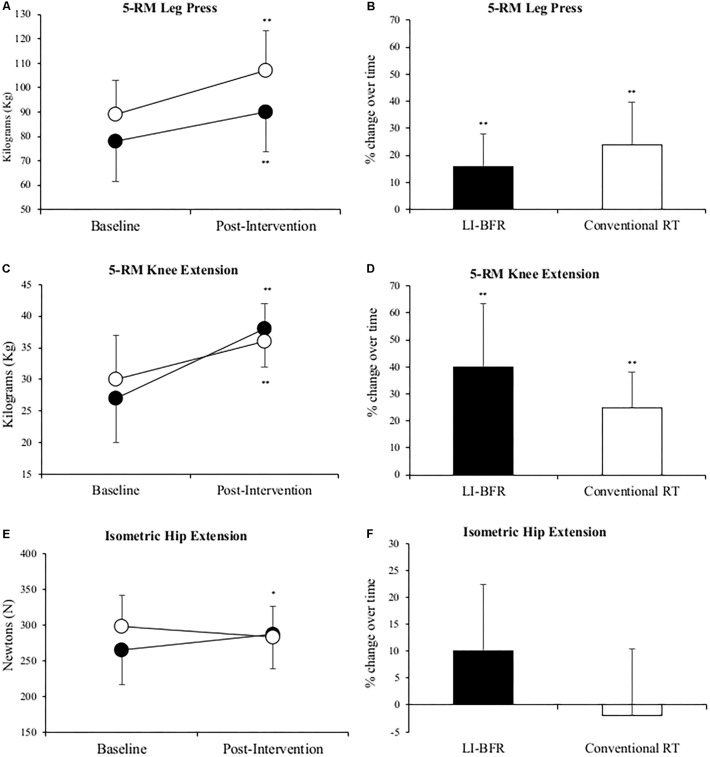
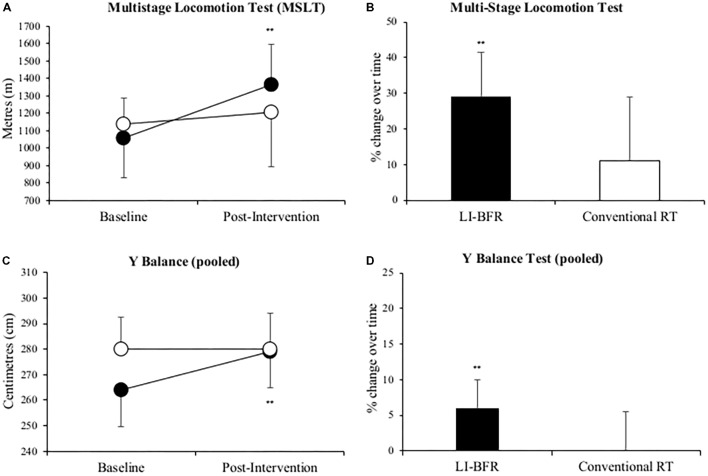
There is growing evidence to support the use of low-load blood flow restriction (LL-BFR) exercise in musculoskeletal rehabilitation. The purpose of this study was to evaluate the efficacy and feasibility of low-load blood flow restricted (LL-BFR) training versus conventional high mechanical load resistance training (RT) on the clinical outcomes of patient's undergoing inpatient multidisciplinary team (MDT) rehabilitation. A single-blind randomized controlled study. Twenty-eight lower-limb injured adults completed a 3-week intensive MDT rehabilitation program. Participants were randomly allocated into a conventional RT (3-days/week) or twice-daily LL-BFR training group. Outcome measurements were taken at baseline and 3-weeks and included quadriceps and total thigh muscle cross-sectional area (CSA) and volume, muscle strength [five repetition maximum (RM) leg press and knee extension test, isometric hip extension], pain and physical function measures (Y-balance test, multistage locomotion test-MSLT). A two-way repeated measures analysis of variance revealed no significant differences between groups for any outcome measure post-intervention ( > 0.05). Both groups showed significant improvements in mean scores for muscle CSA/volume, 5-RM leg press, and 5-RM knee extension ( < 0.01) after treatment. LL-BFR group participants also demonstrated significant improvements in MSLT and Y-balance scores ( < 0.01). The Pain scores during training reduced significantly over time in the LL-BFR group ( = 0.024), with no adverse events reported during the study. Comparable improvements in muscle strength and hypertrophy were shown in LL-BFR and conventional training groups following in-patient rehabilitation. The LL-BFR group also achieved significant improvements in functional capacity. LL-BFR training is a rehabilitation tool that has the potential to induce positive adaptations in the absence of high mechanical loads and therefore could be considered a treatment option for patients suffering significant functional deficits for whom conventional loaded RT is contraindicated. ISRCTN Reference: ISRCTN63585315, dated 25 April 2017.
越来越多的证据支持在肌肉骨骼康复中使用低负荷血流限制(LL-BFR)运动。本研究的目的是评估低负荷血流限制(LL-BFR)训练与传统高机械负荷抗阻训练(RT)对接受住院多学科团队(MDT)康复患者临床结局的疗效和可行性。一项单盲随机对照研究。28名下肢受伤的成年人完成了为期3周的强化MDT康复计划。参与者被随机分配到传统RT组(每周3天)或每日两次的LL-BFR训练组。在基线和3周时进行结局测量,包括股四头肌和大腿总肌肉横截面积(CSA)及体积、肌肉力量[五次重复最大值(RM)腿举和膝关节伸展测试、等长髋关节伸展]、疼痛和身体功能测量(Y平衡测试、多阶段运动测试-MSLT)。双向重复测量方差分析显示,干预后两组在任何结局测量上均无显著差异(>0.05)。两组在治疗后肌肉CSA/体积、5-RM腿举和5-RM膝关节伸展的平均得分均有显著改善(<0.01)。LL-BFR组参与者在MSLT和Y平衡得分方面也有显著改善(<0.01)。LL-BFR组训练期间的疼痛评分随时间显著降低(=0.024),研究期间未报告不良事件。住院康复后,LL-BFR组和传统训练组在肌肉力量和肥大方面显示出相当的改善。LL-BFR组在功能能力方面也取得了显著改善。LL-BFR训练是一种康复工具,有可能在没有高机械负荷的情况下诱导积极的适应性变化,因此对于传统负荷RT禁忌的有严重功能缺陷的患者,可以考虑将其作为一种治疗选择。ISRCTN编号:ISRCTN63585315,日期为2017年4月25日。