Shah N P, Wachsman W, Cann A J, Souza L, Slamon D J, Chen I S
Mol Cell Biol. 1986 Nov;6(11):3626-31. doi: 10.1128/mcb.6.11.3626-3631.1986.
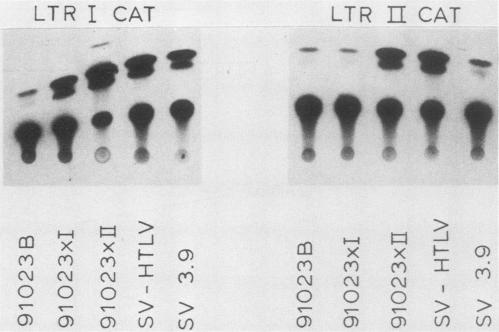
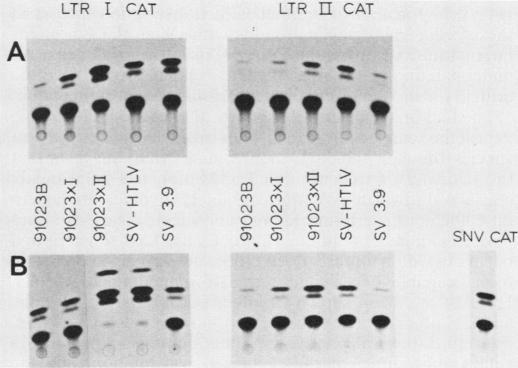
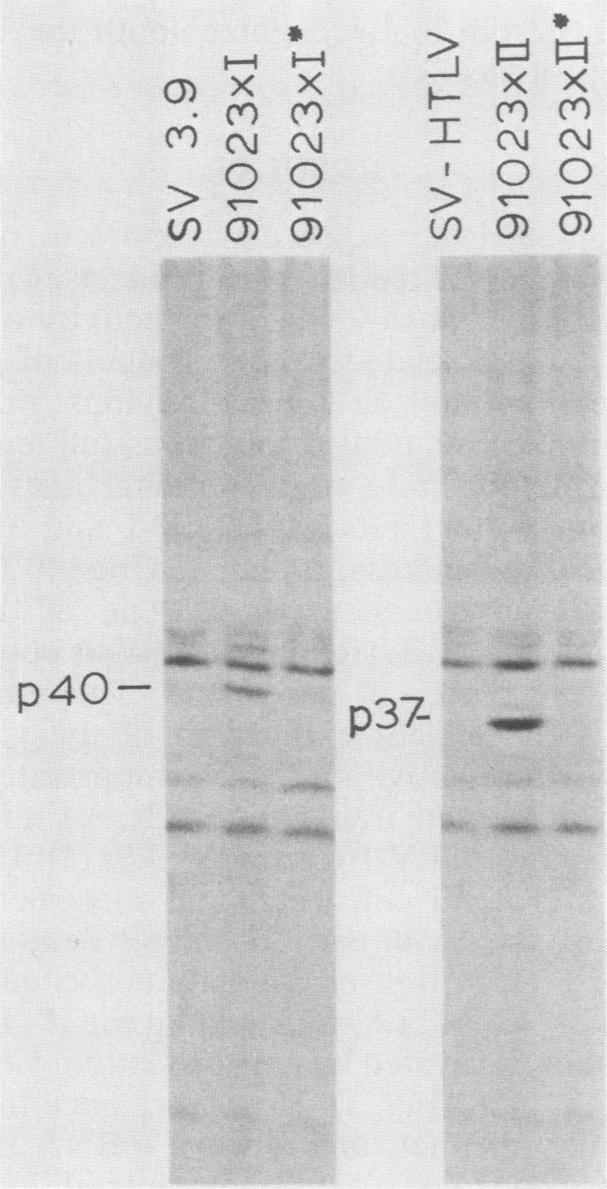
The mechanism of cellular transformation by the human T-cell leukemia viruses (HTLVs) is thought to involve a novel retrovirus gene known as chi. The chi gene is essential for HTLV replication and acts by enhancing transcription from the viral long terminal repeat. By using the HTLV type I and II chi gene-coding regions inserted into a highly efficient expression vector, we directly compared the efficiencies of the two chi proteins to trans activate the HTLV type I and II long terminal repeats. We demonstrate that the two chi proteins have different patterns of trans activation. The patterns were highly reproducible in all mammalian cells tested. A different pattern of activation was observed in avian cells. These results suggest that the mechanism of trans activation involves specific cellular factors that are highly conserved throughout mammalian species but different in avian cells. Understanding the mechanism of trans activation by the chi gene product may provide insights into mechanisms of cellular transformation by HTLV.
人类T细胞白血病病毒(HTLVs)导致细胞转化的机制被认为涉及一种名为chi的新型逆转录病毒基因。chi基因对HTLV复制至关重要,其作用方式是增强病毒长末端重复序列的转录。通过使用插入高效表达载体的I型和II型HTLV chi基因编码区,我们直接比较了两种chi蛋白反式激活I型和II型HTLV长末端重复序列的效率。我们证明这两种chi蛋白具有不同的反式激活模式。在所有测试的哺乳动物细胞中,这些模式具有高度可重复性。在禽类细胞中观察到不同的激活模式。这些结果表明,反式激活机制涉及在所有哺乳动物物种中高度保守但在禽类细胞中不同的特定细胞因子。了解chi基因产物的反式激活机制可能有助于深入了解HTLV导致细胞转化的机制。