Department of Surgery, Klinikum rechts der Isar, School of Medicine, Technical University of Munich (TUM), Munich, Germany.
Department of Nuclear Medicine, TUM, Munich, Germany.
Cell Mol Gastroenterol Hepatol. 2018 Jul 26;6(4):429-449. doi: 10.1016/j.jcmgh.2018.07.003. eCollection 2018.
BACKGROUND & AIMS: Although nearly half of pancreatic ductal adenocarcinoma (PDAC) patients have diabetes mellitus with episodes of hyperglycemia, its tumor microenvironment is hypoglycemic. Thus, it is crucial for PDAC cells to develop adaptive mechanisms dealing with oscillating glucose levels. So far, the biological impact of such glycemic variability on PDAC biology remains unknown.
Murine PDAC cells were cultured in low- and high-glucose medium to investigate the molecular, biochemical, and metabolic influence of glycemic variability on tumor behavior. A set of in vivo functional assays including orthotopic implantation and portal and tail vein injection were used. Results were further confirmed on tissues from PDAC patients.
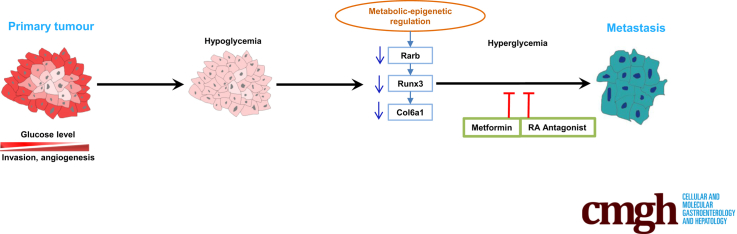
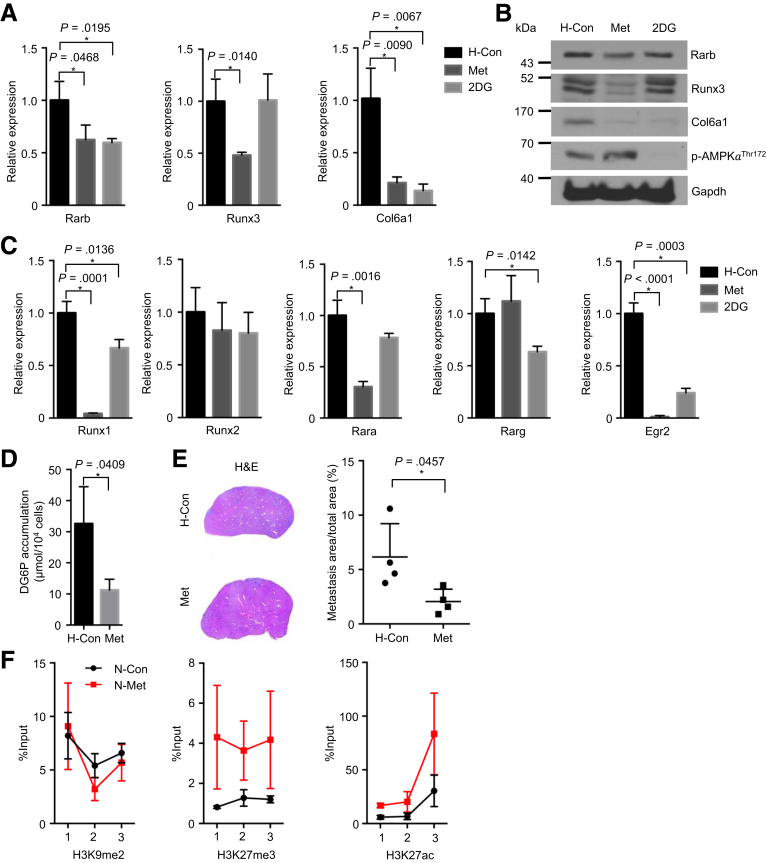
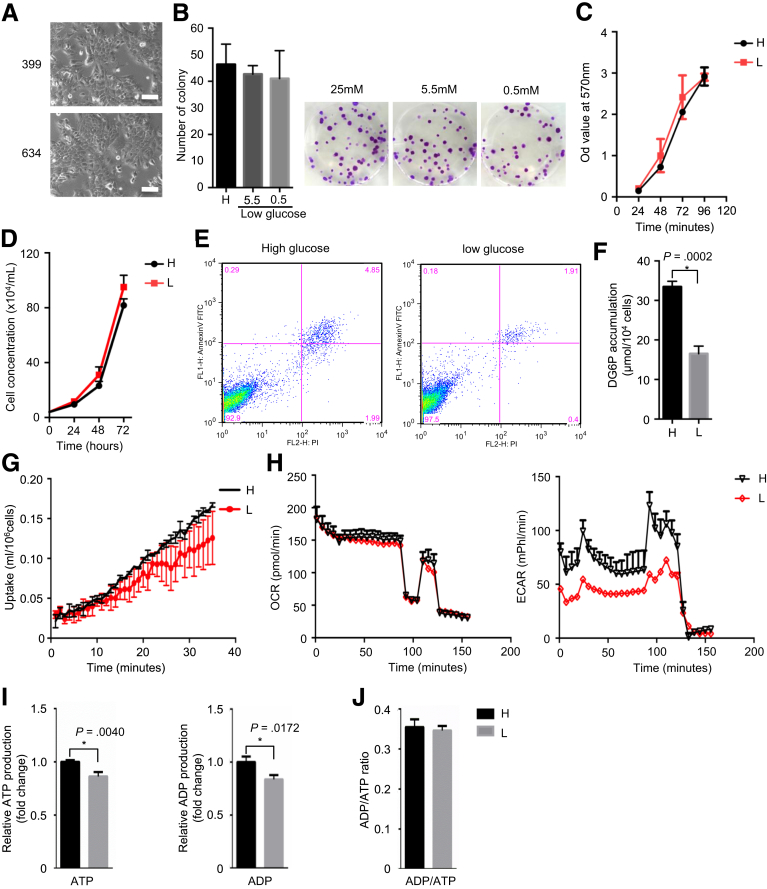
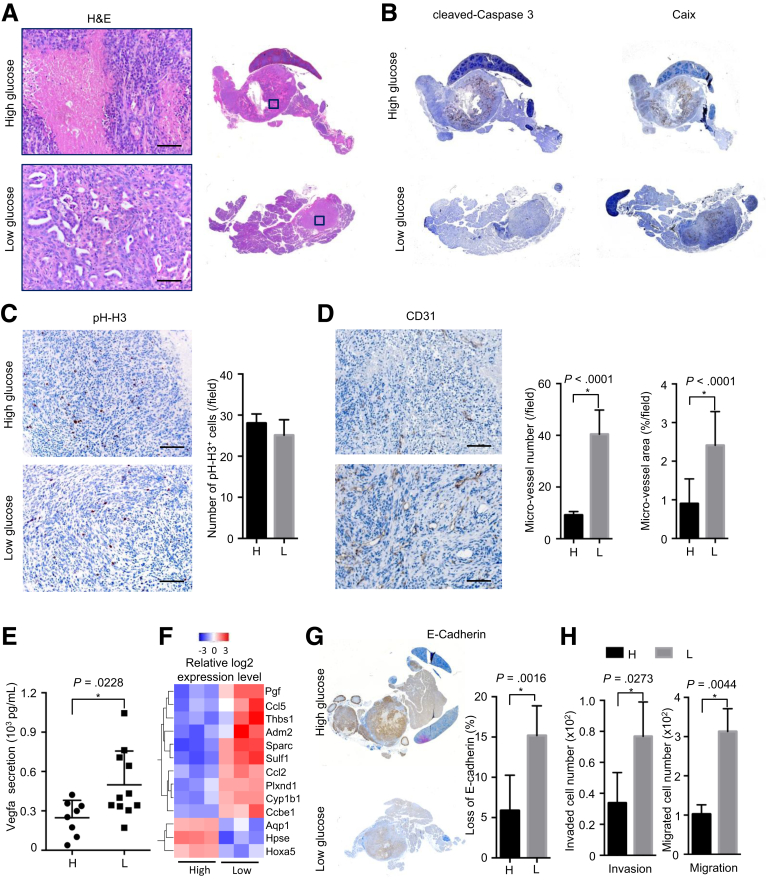
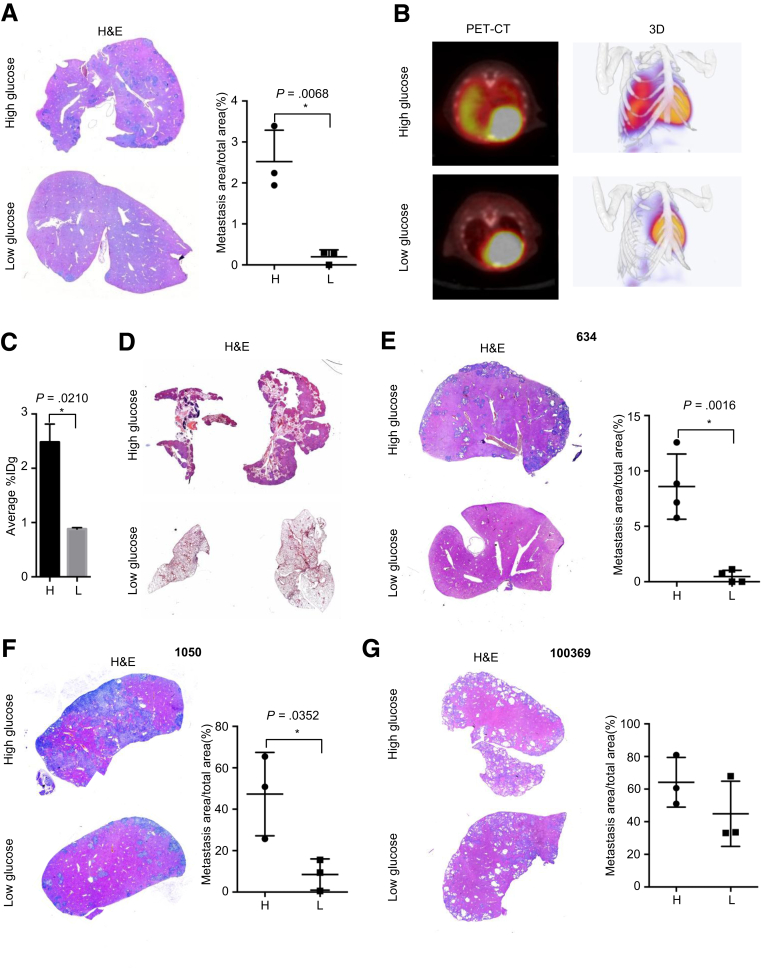
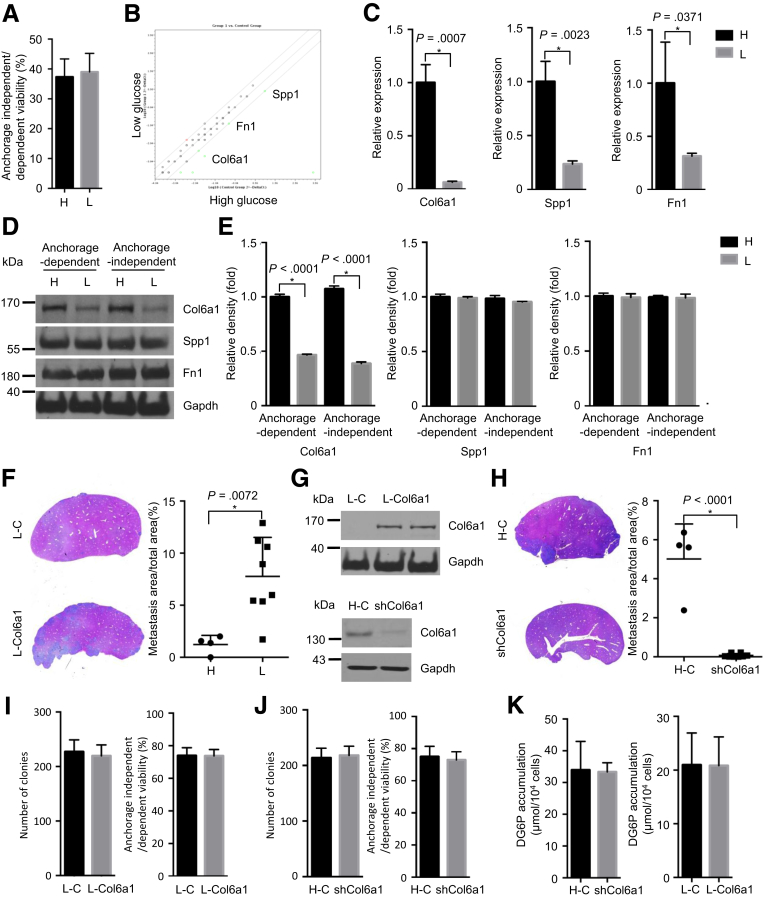
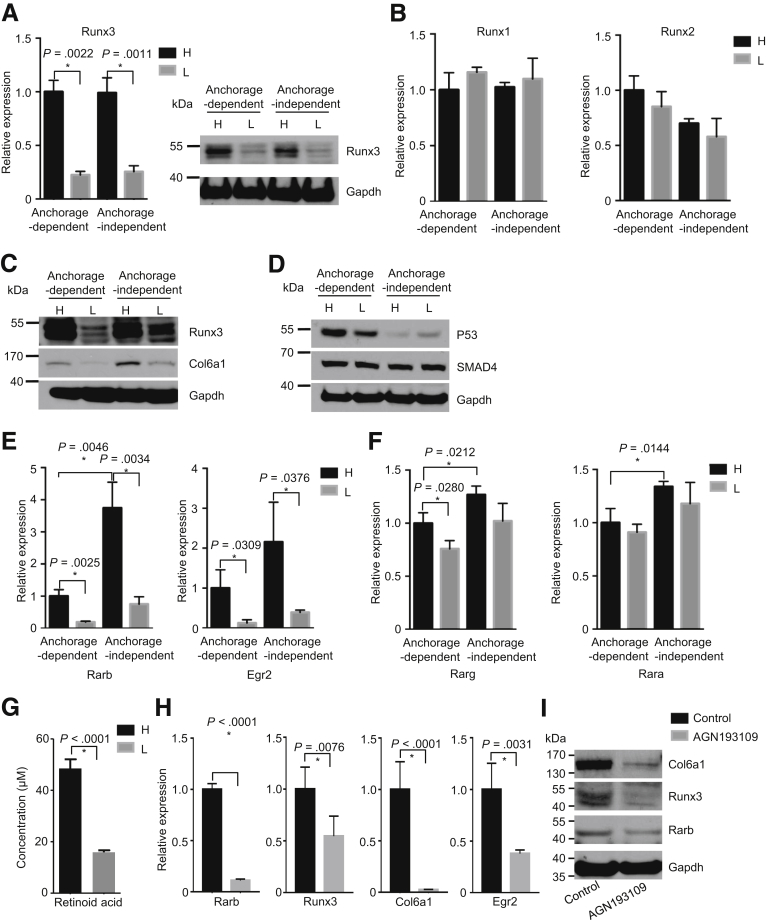
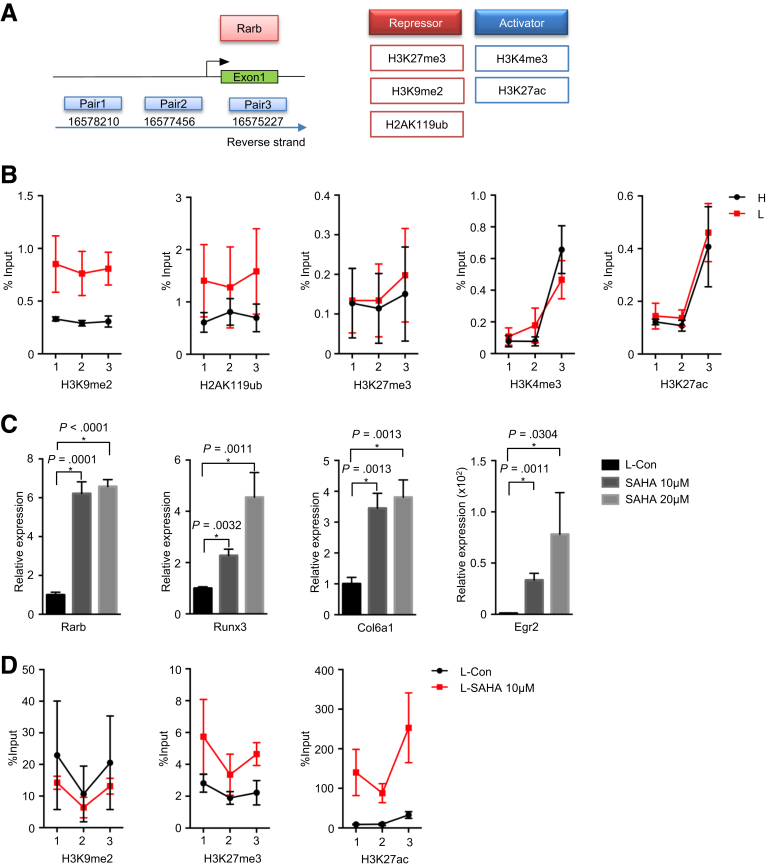
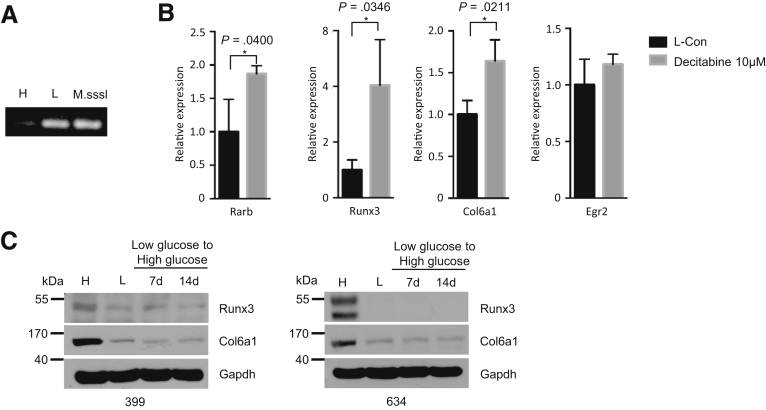
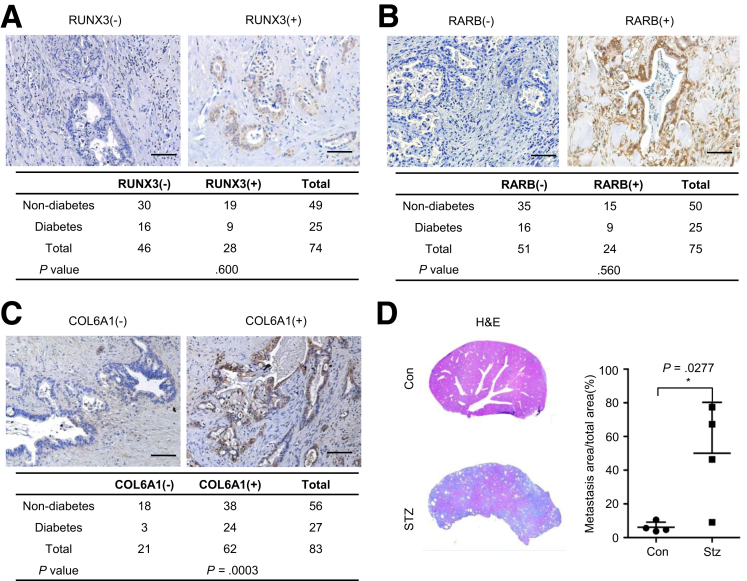
Glycemic variability has no significant effect on PDAC cell proliferation. Hypoglycemia is associated with local invasion and angiogenesis, whereas hyperglycemia promotes metastatic colonization. Increased metastatic colonization under hyperglycemia is due to increased expression of runt related transcription factor 3 (Runx3), which further activates expression of collagen, type VI, alpha 1 (Col6a1), forming a glycemic pro-metastatic pathway. Through epigenetic machinery, retinoic acid receptor beta (Rarb) expression fluctuates according to glycemic variability, acting as a critical sensor relaying the glycemic signal to Runx3/Col6a1. Moreover, the signal axis of Rarb/Runx3/Col6a1 is pharmaceutically accessible to a widely used antidiabetic substance, metformin, and Rar modulator. Finally, PDAC tissues from patients with diabetes show an increased expression of COL6A1.
Glycemic variability promotes both local invasion and metastatic colonization of PDAC. A pro-metastatic signal axis Rarb/Runx3/Col6a1 whose activity is controlled by glycemic variability is identified. The therapeutic relevance of this pathway needs to be explored in PDAC patients, especially in those with diabetes.
尽管近一半的胰腺导管腺癌 (PDAC) 患者患有伴有高血糖症发作的糖尿病,但肿瘤微环境呈低血糖状态。因此,PDAC 细胞必须发展出适应机制来应对波动的血糖水平。到目前为止,这种血糖变异性对 PDAC 生物学的生物学影响仍不清楚。
将鼠 PDAC 细胞培养在低糖和高糖培养基中,以研究血糖变异性对肿瘤行为的分子、生化和代谢影响。使用了一组包括原位植入和门静脉及尾静脉注射的体内功能测定。结果在 PDAC 患者的组织上得到了进一步证实。
血糖变异性对 PDAC 细胞增殖没有显著影响。低血糖与局部侵袭和血管生成有关,而高血糖则促进转移定植。高糖下转移性定植的增加是由于 runt 相关转录因子 3 (Runx3) 的表达增加,进一步激活了胶原 VI 型α 1 (Col6a1) 的表达,形成了一个血糖促进转移的途径。通过表观遗传机制,视黄酸受体β (Rarb) 的表达根据血糖变异性波动,作为将血糖信号传递给 Runx3/Col6a1 的关键传感器。此外,Rarb/Runx3/Col6a1 信号轴可被一种广泛使用的抗糖尿病药物二甲双胍和 Rar 调节剂所利用。最后,糖尿病患者的 PDAC 组织中 COL6A1 的表达增加。
血糖变异性促进 PDAC 的局部侵袭和转移定植。确定了一个具有促转移活性的信号轴 Rarb/Runx3/Col6a1,其活性受血糖变异性控制。需要在 PDAC 患者,特别是糖尿病患者中探索该途径的治疗相关性。