Choi Sarah M, Andea Aleodor A, Wang Min, Behdad Amir, Shao Lina, Zhang Yanming, Lu Xinyan, Dittmann David, Castro Juan, Chen Yi-Hua, Gao Juehua
Department of Pathology, Northwestern University Feinberg School of Medicine, 251 E Huron Street, Chicago, IL, 60611, USA.
Current address: Department of Pathology, University of Michigan, 5242 Medical Science Building 1, 1301 Catherine Street, Ann Arbor, MI, 48109, USA.
Diagn Pathol. 2018 Oct 15;13(1):78. doi: 10.1186/s13000-018-0758-0.
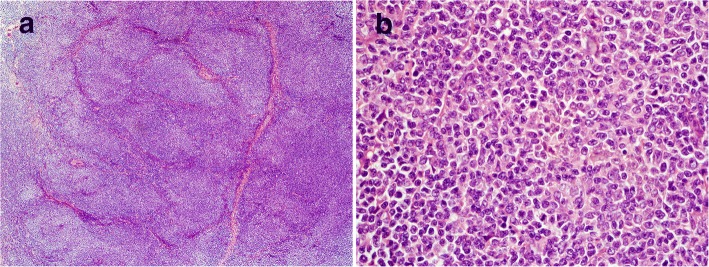
Transformation of follicular lymphoma most typically occurs as diffuse large B-cell lymphoma, however other forms of transformation such as classic Hodgkin lymphoma and lymphoblastic transformation can occur. Secondary malignant histiocytosis also represents a rare form of transformation, which is thought to occur due to a process of transdifferentiation whereby the lymphoma cells exhibit lineage plasticity and lose all evidence of B-cell phenotype and instead acquire the phenotype of a histiocytic neoplasm. Little is known about the underlying genetic alterations that occur during this unusual process. Comparative genetic analysis of pre- and post-transformation/transdifferentiation would be one tool by which we could better understand how this phenomenon occurs.
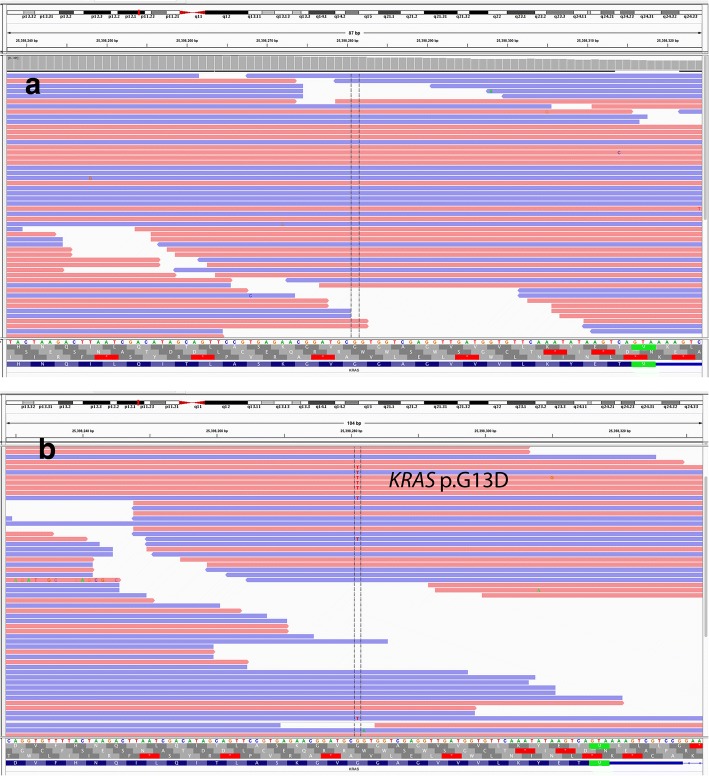
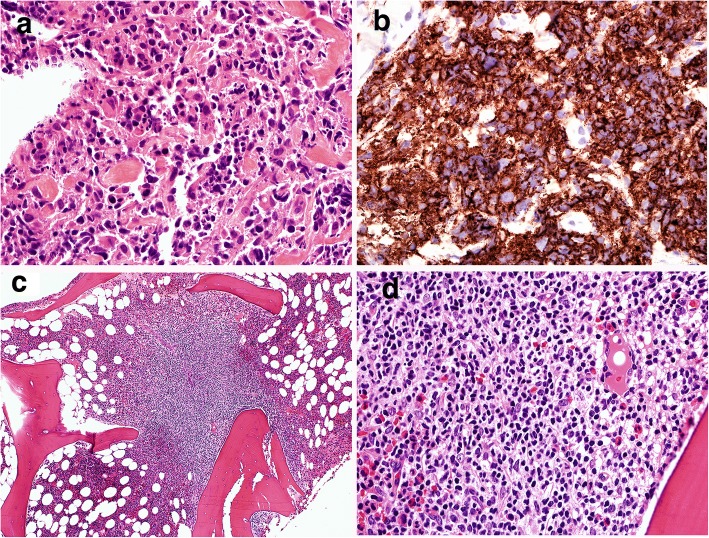
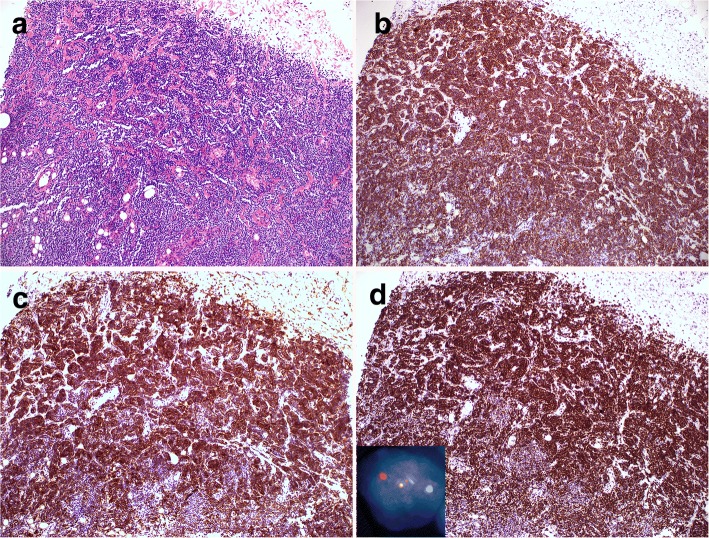
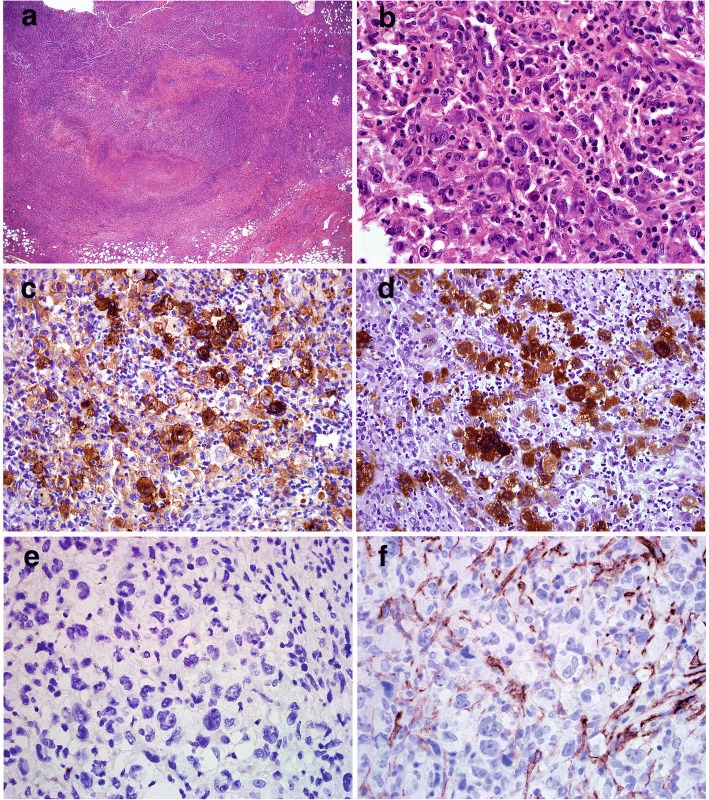
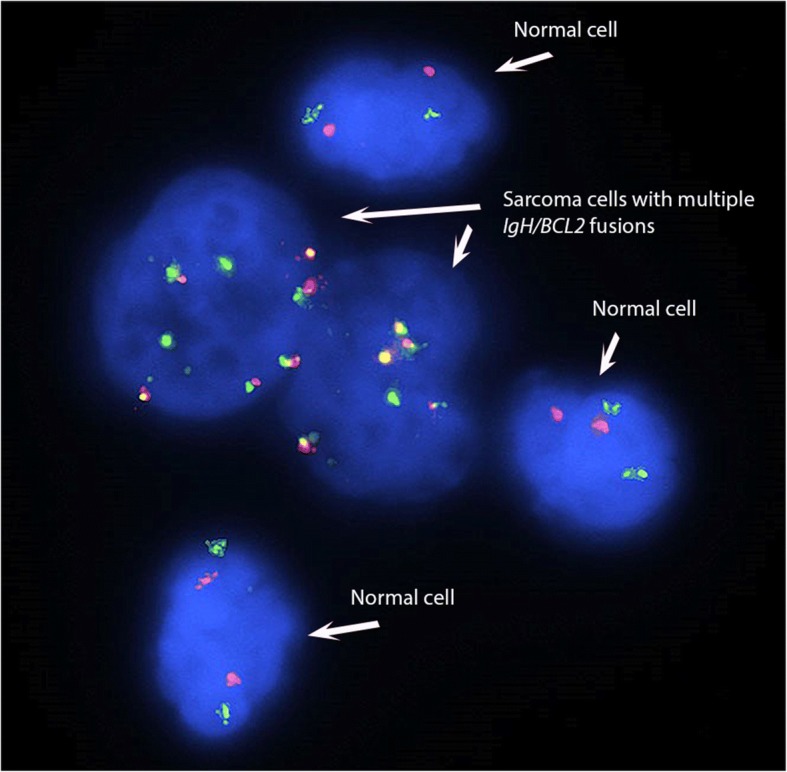
Here we report the clinical, immunophenotypic and genetic features of a rare case of secondary malignant histiocytosis, Langerhans cell-type (Langerhans cell sarcoma) arising from a previous low grade follicular lymphoma. FISH analysis confirmed the presence of IgH/BCL2 rearrangement in both the low grade follicular lymphoma (FL) and transformed Langerhans cells sarcoma (LCS) samples, demonstrating a clonal relationship. Comparative whole exome sequencing was then performed, which identified a KRAS p.G13D mutation in the LCS that was not present in the FL.
This report highlights genetic alterations, in particular an acquired somatic KRAS mutation, that may occur during transdifferentiation, with additional significance of KRAS mutation as a possible therapeutic target in cases which otherwise would have limited treatment options.
滤泡性淋巴瘤最典型的转化形式是弥漫性大B细胞淋巴瘤,然而也可能发生其他形式的转化,如经典霍奇金淋巴瘤和淋巴细胞转化。继发性恶性组织细胞增生症也是一种罕见的转化形式,被认为是由于转分化过程导致的,在此过程中淋巴瘤细胞表现出谱系可塑性,失去所有B细胞表型证据,转而获得组织细胞肿瘤的表型。对于这一不寻常过程中发生的潜在基因改变知之甚少。转化前和转化/转分化后的比较基因分析将是一种工具,通过它我们可以更好地理解这种现象是如何发生的。
在此我们报告一例罕见的继发性恶性组织细胞增生症(朗格汉斯细胞型,即朗格汉斯细胞肉瘤)的临床、免疫表型和基因特征,该病例由先前的低级别滤泡性淋巴瘤发展而来。荧光原位杂交(FISH)分析证实,在低级别滤泡性淋巴瘤(FL)和转化后的朗格汉斯细胞肉瘤(LCS)样本中均存在IgH/BCL2重排,表明两者存在克隆关系。随后进行了比较全外显子测序分析,结果在LCS中鉴定出一个FL中不存在的KRAS p.G13D突变。
本报告强调了在转分化过程中可能发生的基因改变,特别是获得性体细胞KRAS突变,KRAS突变作为可能的治疗靶点具有额外的意义,因为在其他情况下治疗选择可能有限。