Guo Yijie, Xun Meng, Han Jing
Key Laboratory of Environment and Genes Related to Diseases, Xi'an Jiaotong University, Ministry of Education of China.
Department of Pathogenic Biology and Immunology.
Medicine (Baltimore). 2018 Oct;97(42):e12832. doi: 10.1097/MD.0000000000012832.
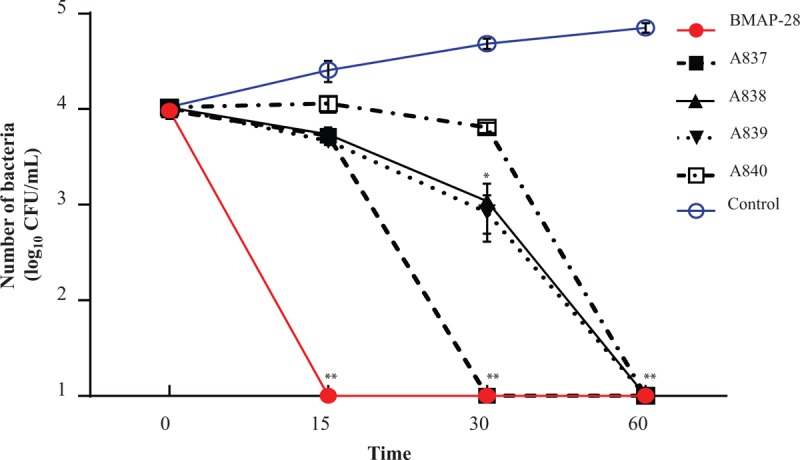
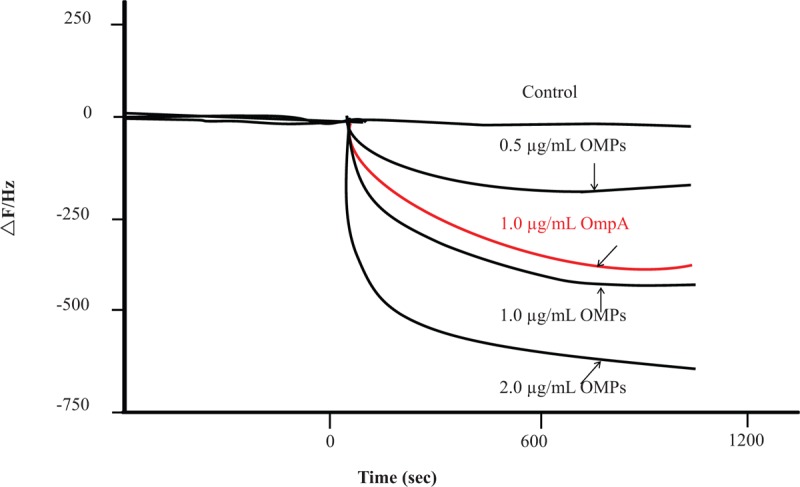
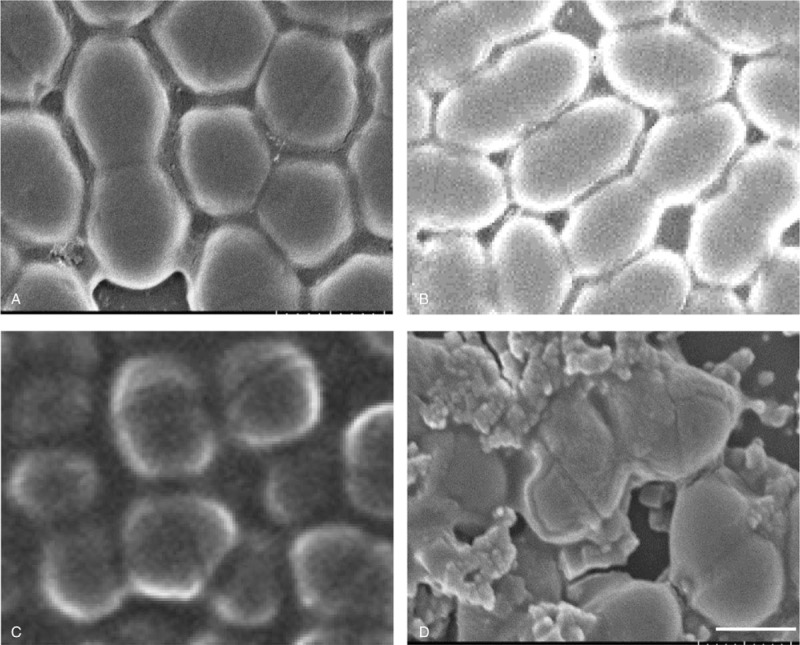
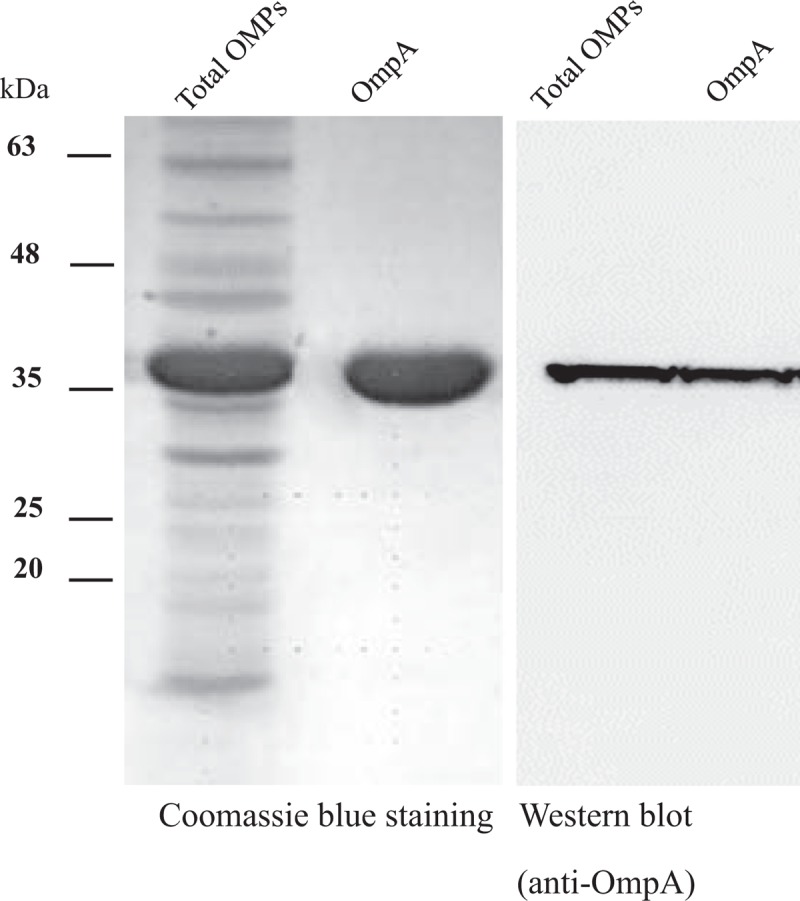
Antimicrobial peptides (AMPs) exhibit multiple activities against bacteria and fungi. A bovine myeloid antimicrobial peptide (BMAP-28) belongs to the cathelicidin-derived AMPs and has antimicrobial activity. Due to the rapidly increasing number of infections and outbreaks caused by pan-drug-resistant Acinetobacter baumannii (PDRAB), we sought to determine whether BMAP-28 and its 4 analog peptides (A837, A838, A839, and A840) have antimicrobial activity against PDRAB. Furthermore, we clarified the possible mechanism of inhibition by which of BMAP-28 acts against PDRAB. In the current study, we examined the inhibitory effect of BMAP-28 and its 4 analog peptides on the growth of PDRAB through minimal inhibitory concentration (MIC) analysis and short time killing assays. We also evaluated the effects of BMAP-28 and its analogs on the bacterial cell surface through the use of field emission scanning electron microscopy (FE-SEM). In order to determine the inhibitory mechanism of BMAP-28, we examined the interaction between BMAP-28 and outer membrane proteins (OMPs), especially the interaction between BMAP-28 and A. baumannii OmpA (AbOmpA), which is the main component of OMPs, by using a quartz crystal microbalance (QCM). BMAP-28 and its 4 analogs were effective in inhibiting the growth of PDRAB and had rapid killing ability. BMAP-28 showed exceptionally strong and rapid inhibitory effects on PDRAB when compared to the other peptides and was also shown to cause damage to the cell surface of PDRAB. Moreover, QCM analysis provided evidence of potential interaction between BMAP-28 and AbOmpA. These data indicate that BMAP-28 is a promising candidate for the treatment of PDRAB infections and that its inhibitory effects were related with its binding to AbOmpA.
抗菌肽(AMPs)对细菌和真菌具有多种活性。一种牛骨髓抗菌肽(BMAP - 28)属于源自cathelicidin的抗菌肽,具有抗菌活性。由于泛耐药鲍曼不动杆菌(PDRAB)引起的感染和疫情迅速增加,我们试图确定BMAP - 28及其4种类似肽(A837、A838、A839和A840)对PDRAB是否具有抗菌活性。此外,我们阐明了BMAP - 28对PDRAB发挥作用的可能抑制机制。在本研究中,我们通过最小抑菌浓度(MIC)分析和短时间杀菌试验,研究了BMAP - 28及其4种类似肽对PDRAB生长的抑制作用。我们还通过场发射扫描电子显微镜(FE - SEM)评估了BMAP - 28及其类似物对细菌细胞表面的影响。为了确定BMAP - 28的抑制机制,我们使用石英晶体微天平(QCM)研究了BMAP - 28与外膜蛋白(OMPs)之间的相互作用,特别是BMAP - 28与OMPs的主要成分鲍曼不动杆菌OmpA(AbOmpA)之间的相互作用。BMAP - 28及其4种类似物能有效抑制PDRAB的生长,并具有快速杀菌能力。与其他肽相比,BMAP - 28对PDRAB表现出异常强烈和快速的抑制作用,还被证明会对PDRAB的细胞表面造成损伤。此外,QCM分析提供了BMAP - 28与AbOmpA之间潜在相互作用的证据。这些数据表明,BMAP - 28是治疗PDRAB感染的有前景的候选药物,其抑制作用与其与AbOmpA的结合有关。