Qvarnstrom Yvonne, Wei-Pridgeon Yuping, Van Roey Erik, Park Subin, Srinivasamoorthy Ganesh, Nascimento Fernanda S, Moss Delynn M, Talundzic Eldin, Arrowood Michael J
1Parasitic Disease Branch, Division of Parasitic Diseases and Malaria, Center for Global Health, Centers for Disease Control and Prevention, Atlanta, GA USA.
IHRC Inc, Atlanta, GA USA.
Gut Pathog. 2018 Oct 12;10:45. doi: 10.1186/s13099-018-0272-7. eCollection 2018.
is a food-borne intestinal human parasite that causes outbreaks of diarrhea. There is a need for efficient laboratory methods for strain-level characterization to assist in outbreak investigations. By using next generation sequencing, genomic sequences can be obtained and compared to identify potential genotyping markers. However, there is no method available to propagate this parasite in the laboratory. Therefore, genomic DNA must be extracted from oocysts purified from human stool. The objective of this study was to apply optimized methods to purify oocysts and extract DNA in order to obtain high-quality whole genome sequences with minimum contamination of DNA from other organisms.
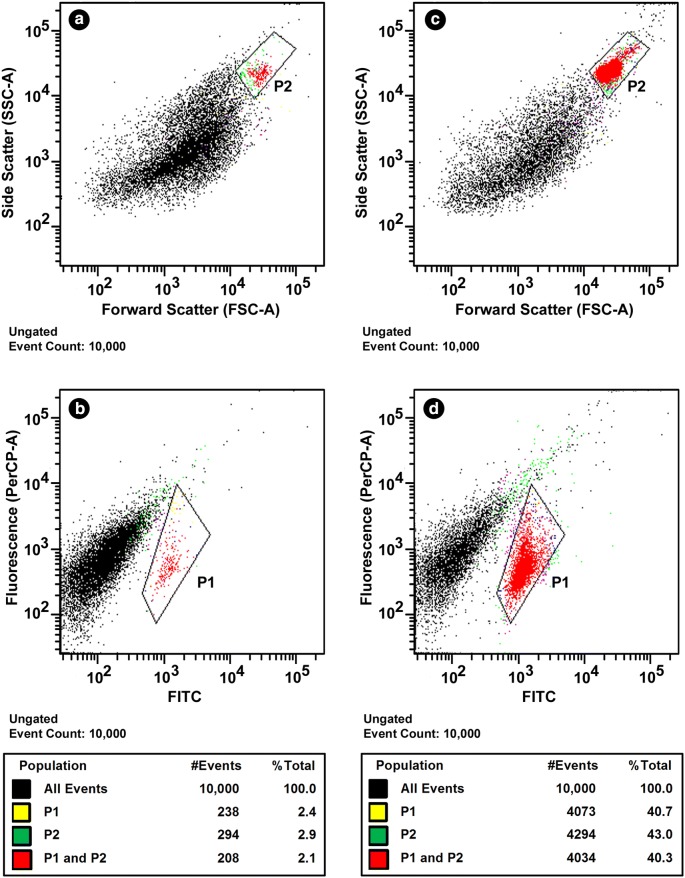
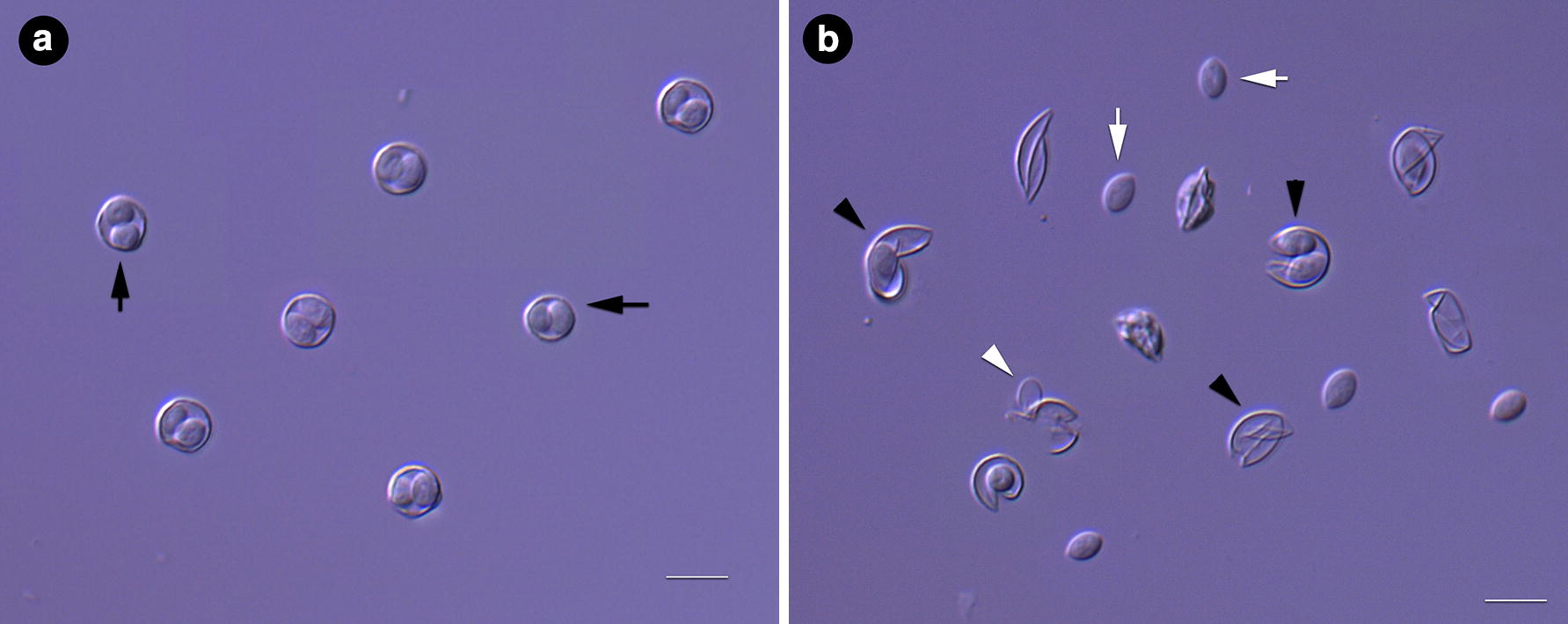
Oocysts from 21 human stool specimens were separated from other stool components using discontinuous density gradient centrifugation and purified further by flow cytometry. Genomic DNA was used to construct Ovation Ultralow libraries for Illumina sequencing. MiSeq sequencing reads were taxonomically profiled for contamination, de novo assembled, and mapped to a draft genome available in GenBank to assess the quality of the resulting genomic sequences. Following all purification steps, the majority (81-99%) of sequencing reads were from . They could be assembled into draft genomes of around 45 MB in length with GC-content of 52%.
Density gradients performed in the presence of a detergent followed by flow cytometry sorting of oocysts yielded sufficient genomic DNA largely free from contamination and suitable for whole genome sequencing of The methods described here will facilitate the accumulation of genomic sequences from various samples, which is a prerequisite for the development of typing tools to aid in outbreak investigations.
是一种食源性肠道人体寄生虫,可引发腹泻疫情。需要高效的实验室方法进行菌株水平的特征分析,以协助疫情调查。通过使用下一代测序技术,可以获得基因组序列并进行比较,以识别潜在的基因分型标记。然而,目前尚无在实验室中繁殖这种寄生虫的方法。因此,必须从人粪便中纯化的卵囊中提取基因组DNA。本研究的目的是应用优化的方法纯化卵囊并提取DNA,以获得高质量的全基因组序列,同时尽量减少其他生物DNA的污染。
使用不连续密度梯度离心法从21份人类粪便标本中分离出卵囊,并通过流式细胞术进一步纯化。基因组DNA用于构建用于Illumina测序的Ovation超低文库。对MiSeq测序读数进行分类分析以检测污染情况,进行从头组装,并与GenBank中可用的草图基因组进行比对,以评估所得基因组序列的质量。经过所有纯化步骤后,大多数(81-99%)测序读数来自。它们可以组装成长度约为45MB、GC含量为52%的草图基因组。
在去污剂存在下进行密度梯度离心,随后对卵囊进行流式细胞术分选,可产生基本无污染且适合进行全基因组测序的足够基因组DNA。本文所述方法将有助于积累来自各种样本的基因组序列,这是开发用于协助疫情调查的分型工具的先决条件。