Leonard Susan R, Mammel Mark K, Gharizadeh Baback, Almeria Sonia, Ma Zhihai, Lipman David J, Torrence Mary E, Wang Chunlin, Musser Steven M
Office of Applied Research and Safety Assessment, Center for Food Safety and Applied Nutrition, U.S. Food and Drug Administration, Laurel, MD, United States.
Chapter Diagnostics, Menlo Park, CA, United States.
Front Microbiol. 2023 Jun 16;14:1212863. doi: 10.3389/fmicb.2023.1212863. eCollection 2023.
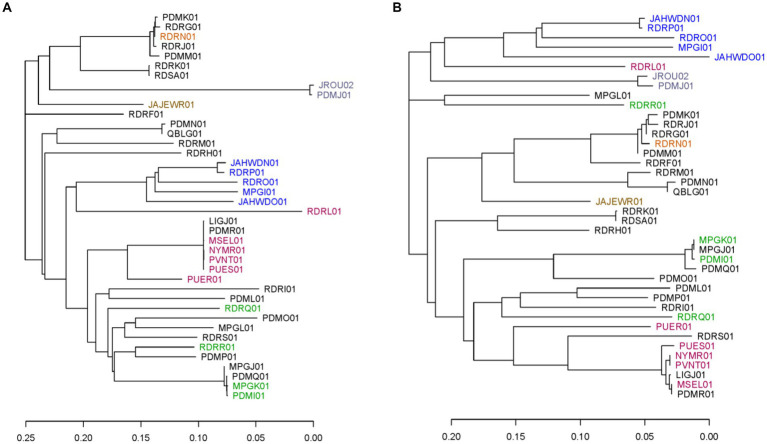
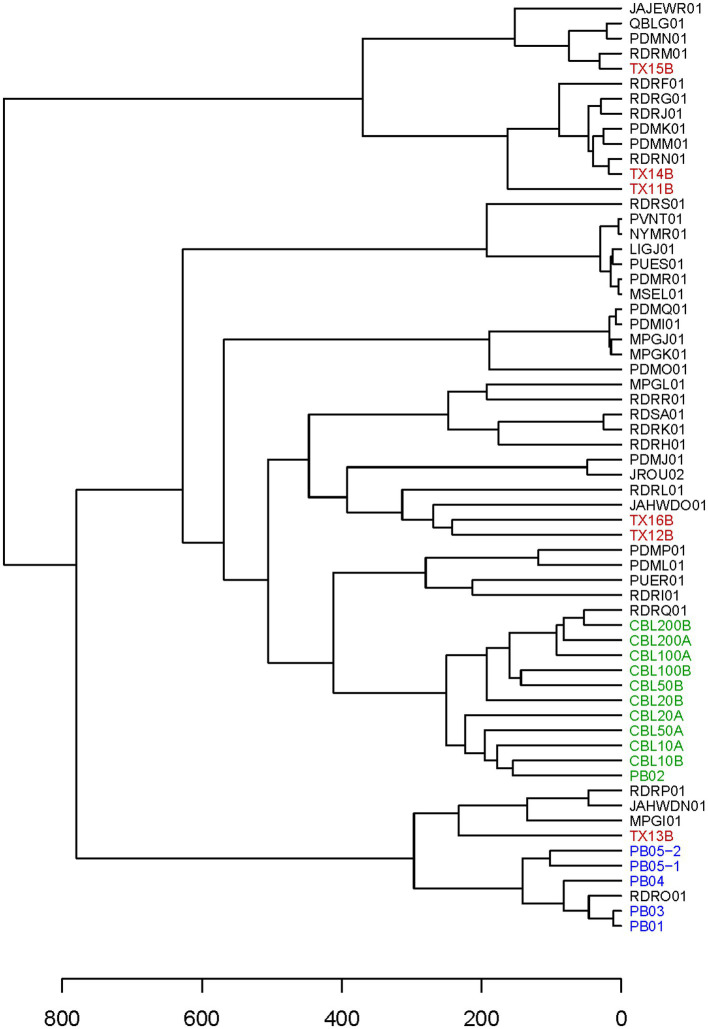
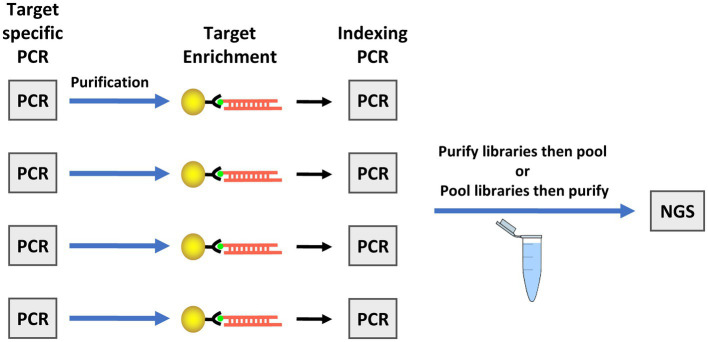
Outbreaks of cyclosporiasis, an enteric illness caused by the parasite , have been associated with consumption of various types of fresh produce. Although a method is in use for genotyping from clinical specimens, the very low abundance of in food and environmental samples presents a greater challenge. To complement epidemiological investigations, a molecular surveillance tool is needed for use in genetic linkage of food vehicles to cyclosporiasis illnesses, estimation of the scope of outbreaks or clusters of illness, and determination of geographical areas involved. We developed a targeted amplicon sequencing (TAS) assay that incorporates a further enrichment step to gain the requisite sensitivity for genotyping contaminating fresh produce samples. The TAS assay targets 52 loci, 49 of which are located in the nuclear genome, and encompasses 396 currently known SNP sites. The performance of the TAS assay was evaluated using lettuce, basil, cilantro, salad mix, and blackberries inoculated with oocysts. A minimum of 24 markers were haplotyped even at low contamination levels of 10 oocysts in 25 g leafy greens. The artificially contaminated fresh produce samples were included in a genetic distance analysis based on haplotype presence/absence with publicly available whole genome sequence assemblies. Oocysts from two different sources were used for inoculation, and samples receiving the same oocyst preparation clustered together, but separately from the other group, demonstrating the utility of the assay for genetically linking samples. Clinical fecal samples with low parasite loads were also successfully genotyped. This work represents a significant advance in the ability to genotype contaminating fresh produce along with greatly expanding the genomic diversity included for genetic clustering of clinical specimens.
环孢子虫病是一种由寄生虫引起的肠道疾病,其暴发与食用各类新鲜农产品有关。尽管目前有一种用于对临床标本进行基因分型的方法,但食品和环境样本中环孢子虫的丰度极低,这带来了更大的挑战。为了辅助流行病学调查,需要一种分子监测工具,用于将食品载体与环孢子虫病病例进行基因关联、估计疫情或病例集群的范围以及确定所涉及的地理区域。我们开发了一种靶向扩增子测序(TAS)分析方法,该方法纳入了进一步的富集步骤,以获得对污染新鲜农产品样本进行基因分型所需的灵敏度。TAS分析针对52个位点,其中49个位于核基因组中,涵盖396个目前已知的单核苷酸多态性(SNP)位点。使用接种了环孢子虫卵囊的生菜、罗勒、香菜、混合沙拉和黑莓对TAS分析的性能进行了评估。即使在25克绿叶蔬菜中含有10个卵囊的低污染水平下,至少也能对24个标记进行单倍型分型。基于单倍型的有无情况,将人工污染的新鲜农产品样本纳入与公开可用的环孢子虫全基因组序列组装进行的遗传距离分析中。使用来自两个不同来源的卵囊进行接种,接受相同卵囊制剂的样本聚集在一起,但与另一组分开,这证明了该分析方法在对样本进行基因关联方面的实用性。寄生虫载量低的临床粪便样本也成功进行了基因分型。这项工作代表了在对污染新鲜农产品进行基因分型的能力方面取得了重大进展,同时极大地扩展了用于临床标本基因聚类的基因组多样性。