Division of Building Science and Technology, City University of Hong Kong, Hong Kong, China.
Sensors (Basel). 2018 Oct 23;18(11):3591. doi: 10.3390/s18113591.
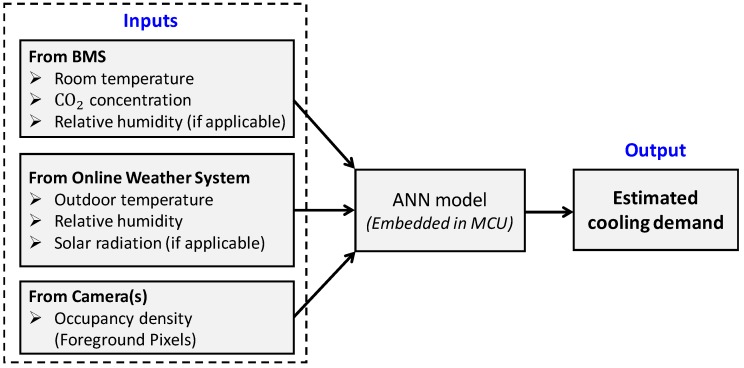
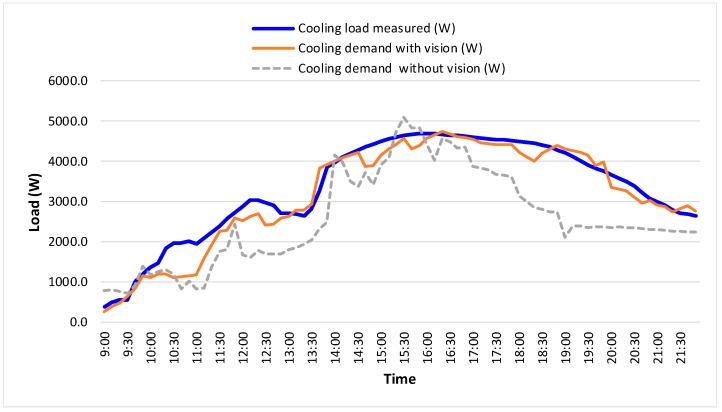
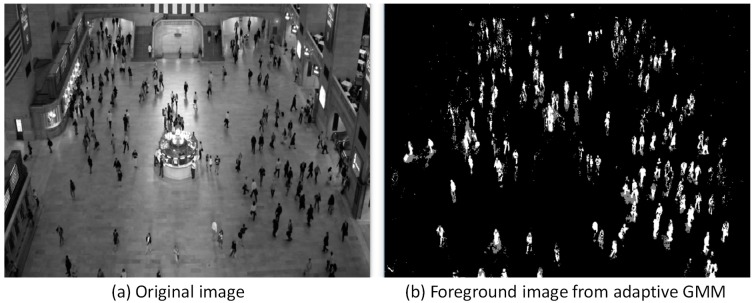
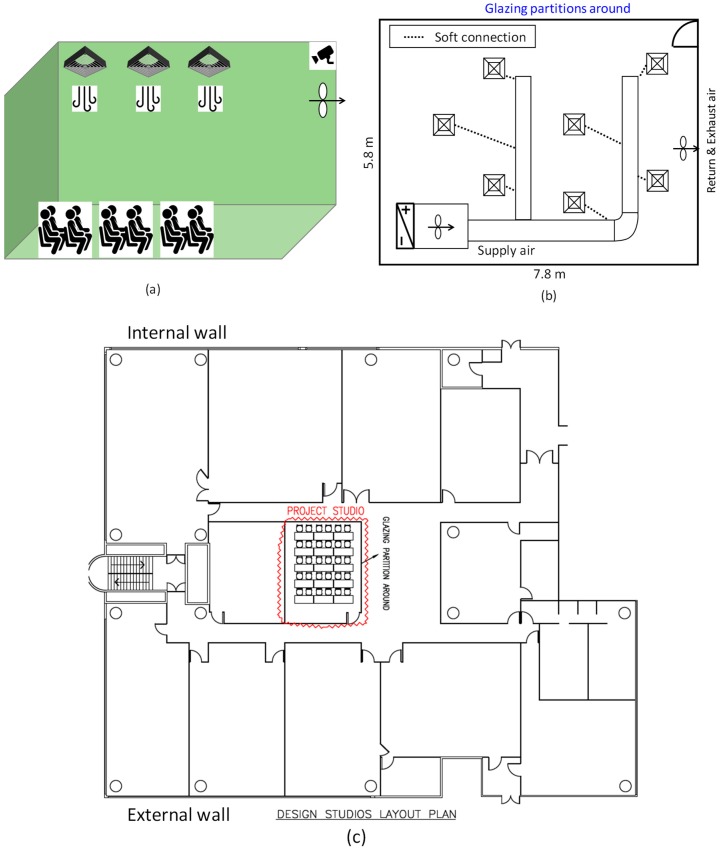
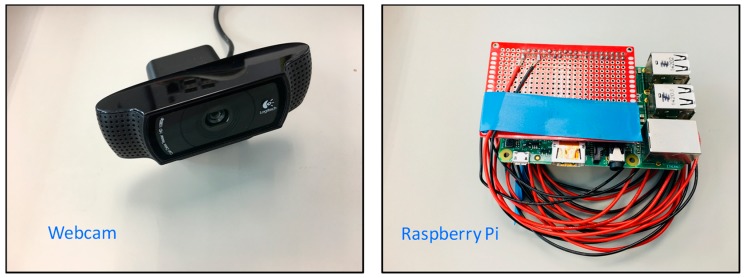
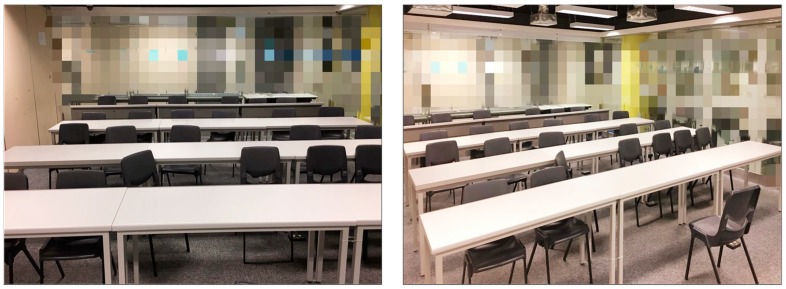
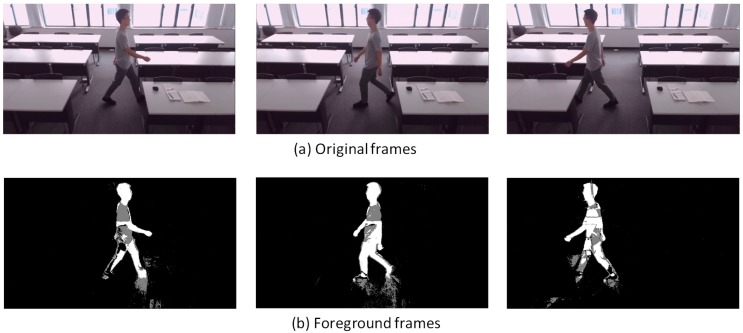
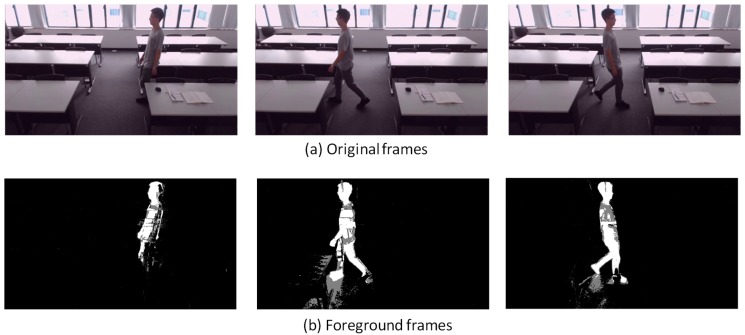
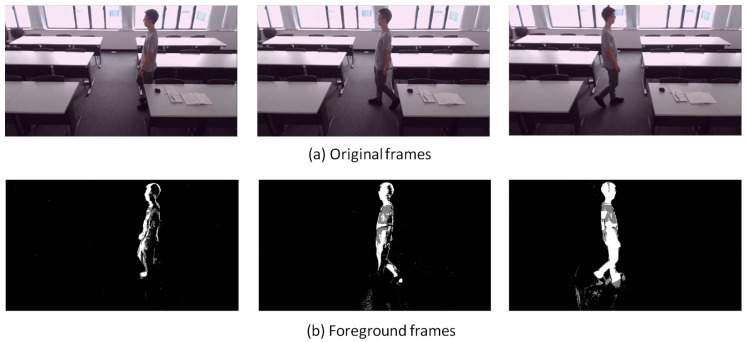
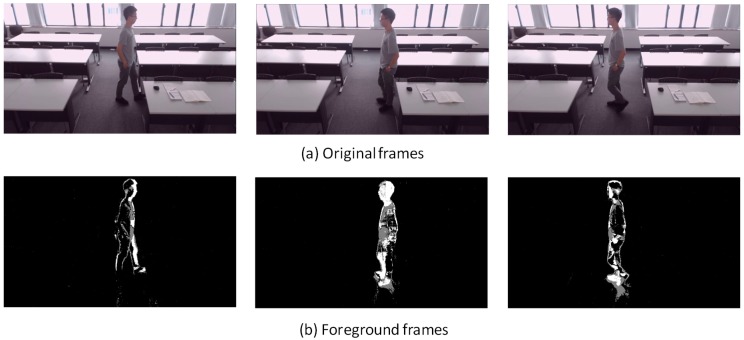
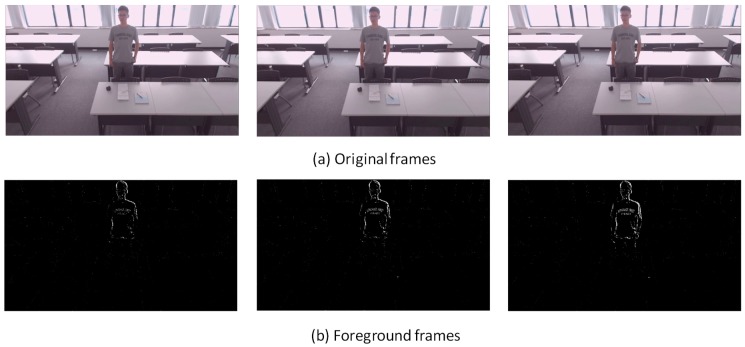
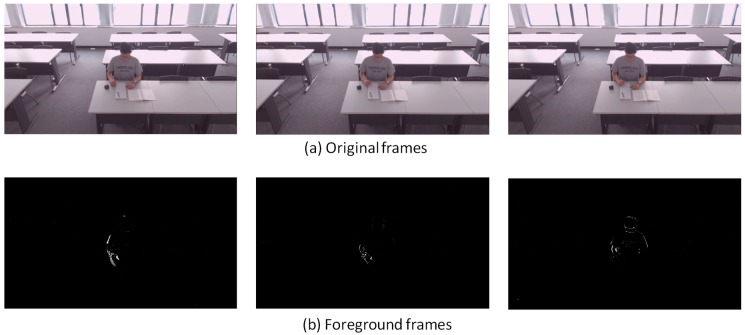
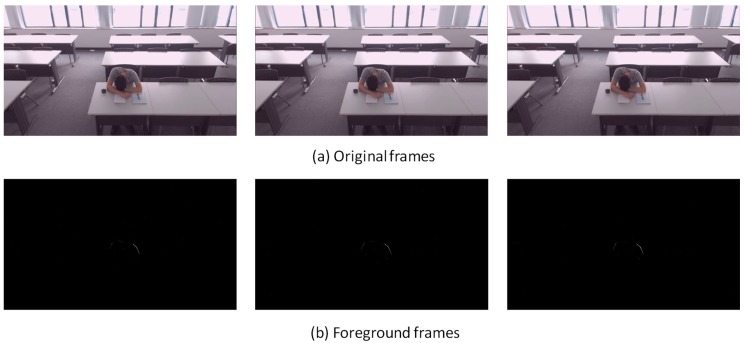
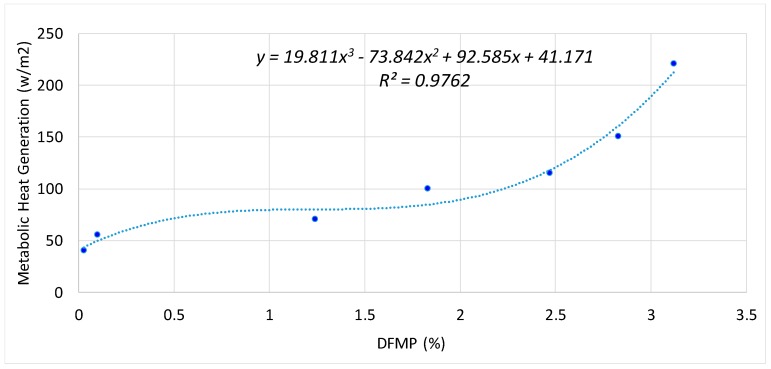
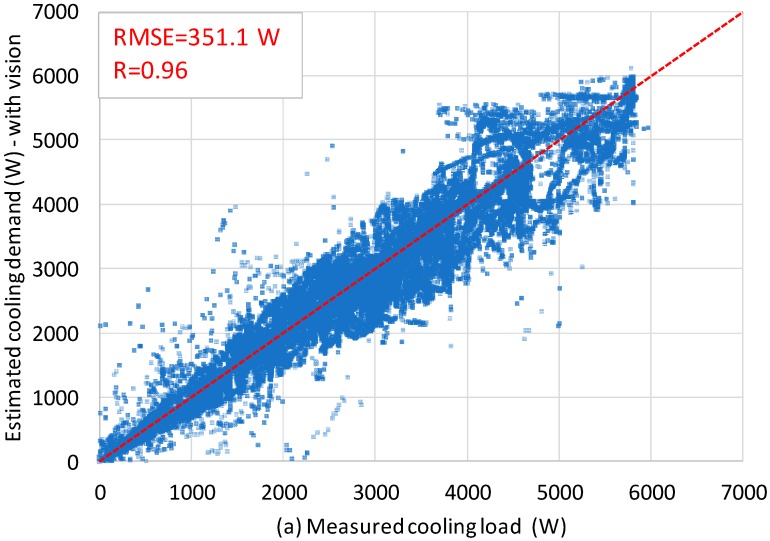
The operating efficiency of heating, ventilation and air conditioning (HVAC) system is critical for building energy performance. Demand-based control is an efficient HVAC operating strategy, which can provide an appropriate level of HVAC services based on the recognition of actual cooling "demand." The cooling demand primarily relies on the accurate detection of occupancy. The current researches of demand-based HVAC control tend to detect the occupant count using cameras or other sensors, which often impose high computation and costs with limited real-life applications. Instead of detecting the occupant count, this paper proposes to detect the occupancy density. The occupancy density (estimated by image foreground moving pixels) together with the indoor and outdoor information (acquired from existing sensors) are used as inputs to an artificial neural network model for cooling demand estimation. Experiments have been implemented in a university design studio. Results show that, by adding the occupancy density, the cooling demand estimation error is greatly reduced by 67.4% and the R value is improved from 0.75 to 0.96. The proposed approach also features low-cost, computationally efficient, privacy-friendly and easily implementable. It shows good application potentials and can be readily incorporated into existing building management systems for improving energy efficiency.
供暖、通风和空调(HVAC)系统的运行效率对建筑能源性能至关重要。基于需求的控制是一种高效的 HVAC 运行策略,它可以根据实际冷却“需求”的识别提供适当水平的 HVAC 服务。冷却需求主要依赖于对占用情况的准确检测。基于需求的 HVAC 控制的当前研究倾向于使用摄像机或其他传感器来检测人员数量,但这些方法通常需要较高的计算和成本,并且在实际应用中受到限制。本文提出的方法不是检测人员数量,而是检测占用密度。占用密度(通过图像前景移动像素估计)与室内和室外信息(从现有传感器获取)一起作为输入,用于人工神经网络模型进行冷却需求估计。该方法已在大学设计工作室中进行了实验。结果表明,通过添加占用密度,冷却需求估计误差大大降低了 67.4%,R 值从 0.75 提高到 0.96。该方法还具有低成本、计算效率高、隐私友好和易于实现的特点。它显示出良好的应用潜力,并可以很容易地集成到现有的建筑管理系统中,以提高能源效率。