Janczarek Marcin, Endo Maya, Zhang Dong, Wang Kunlei, Kowalska Ewa
Institute for Catalysis, Hokkaido University, Sapporo 001-0021, Japan.
Department of Chemical Technology, Gdansk University of Technology, 80-233 Gdansk, Poland.
Materials (Basel). 2018 Oct 23;11(11):2069. doi: 10.3390/ma11112069.
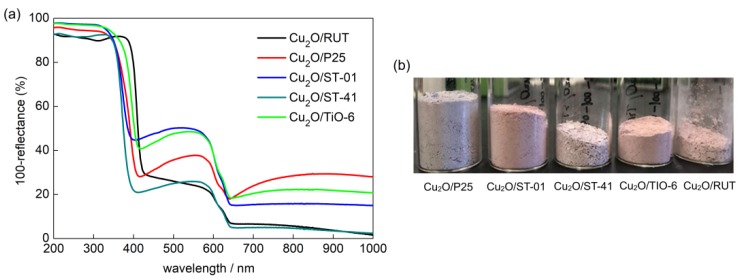
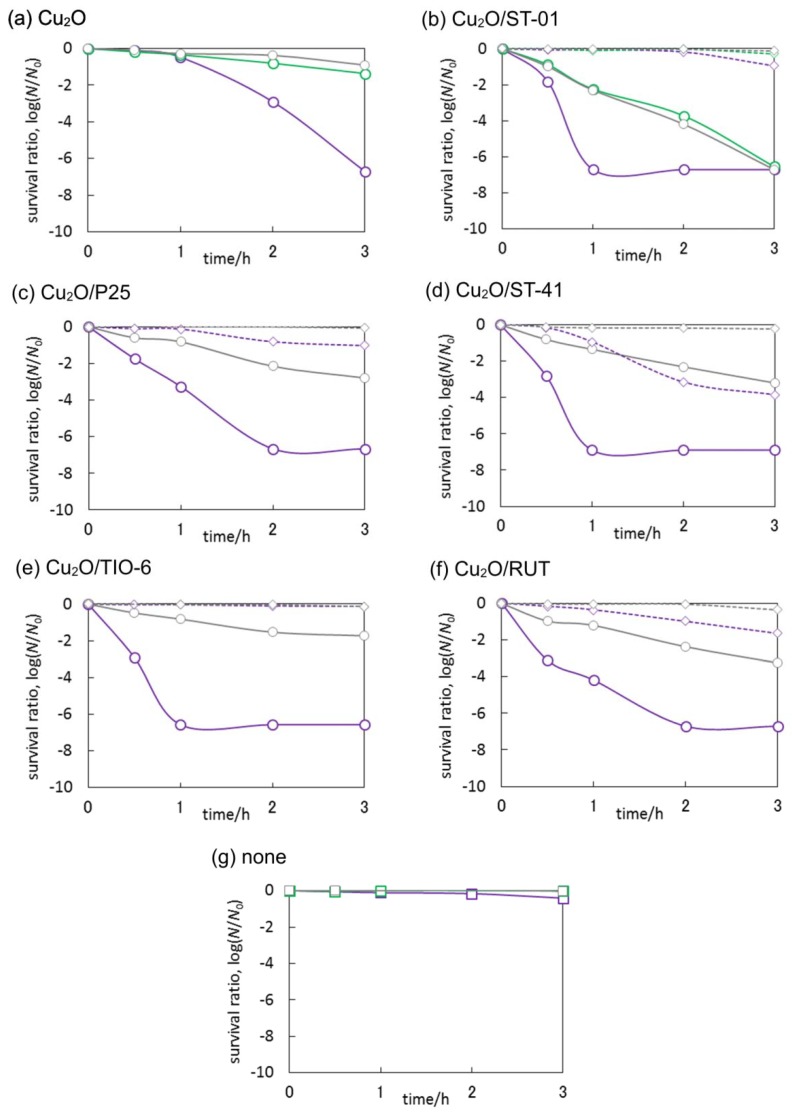
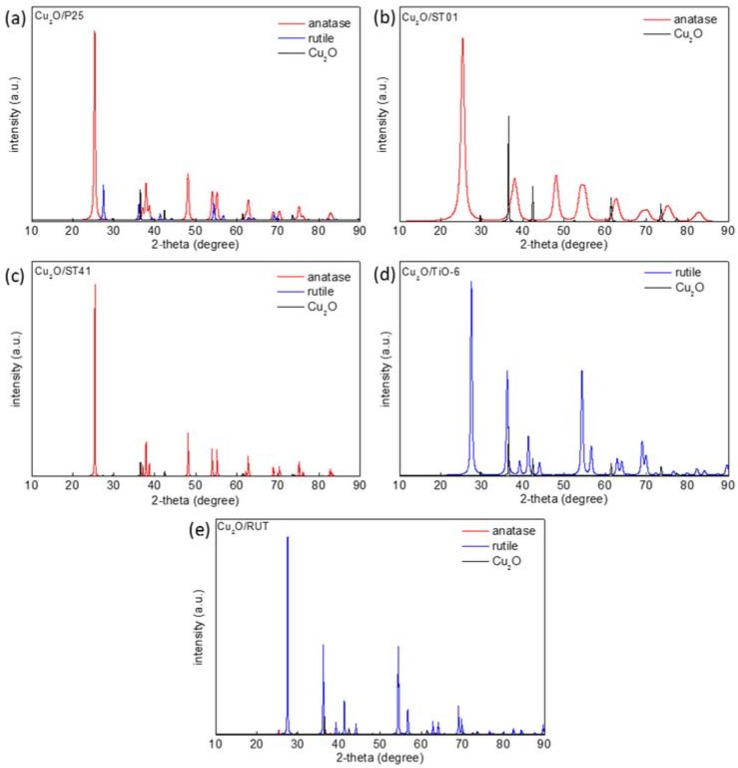
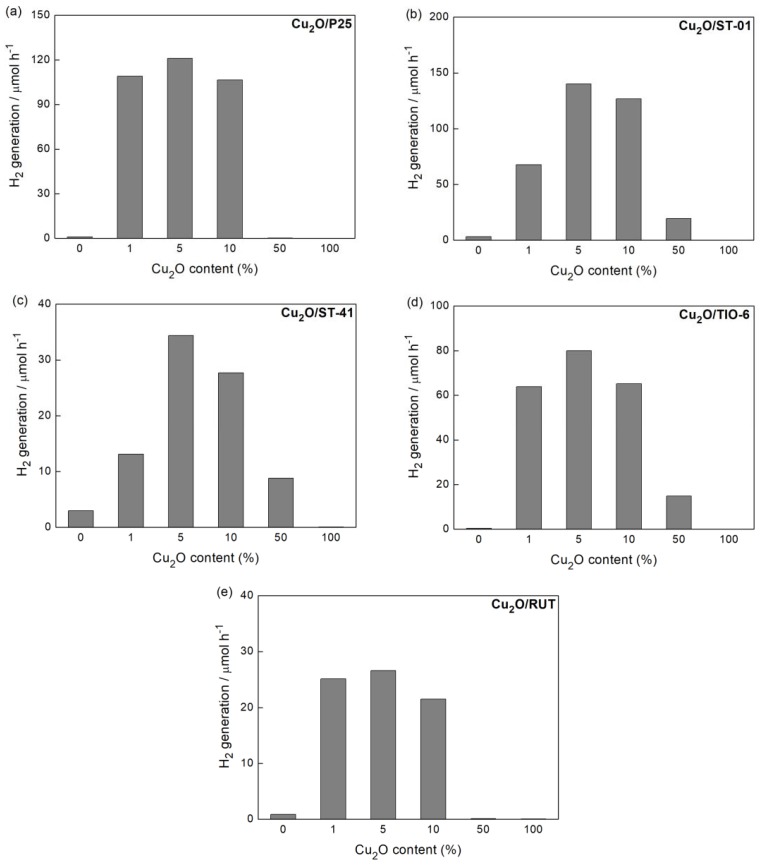
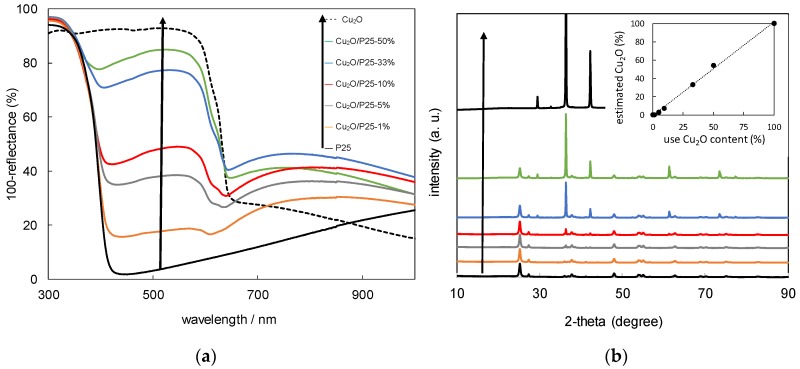
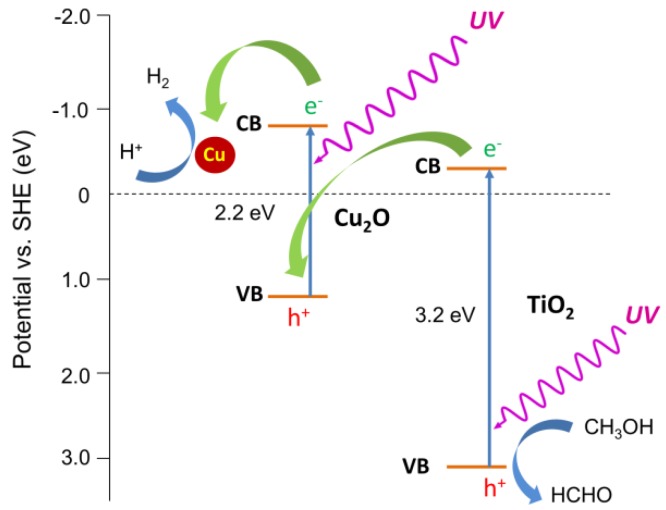
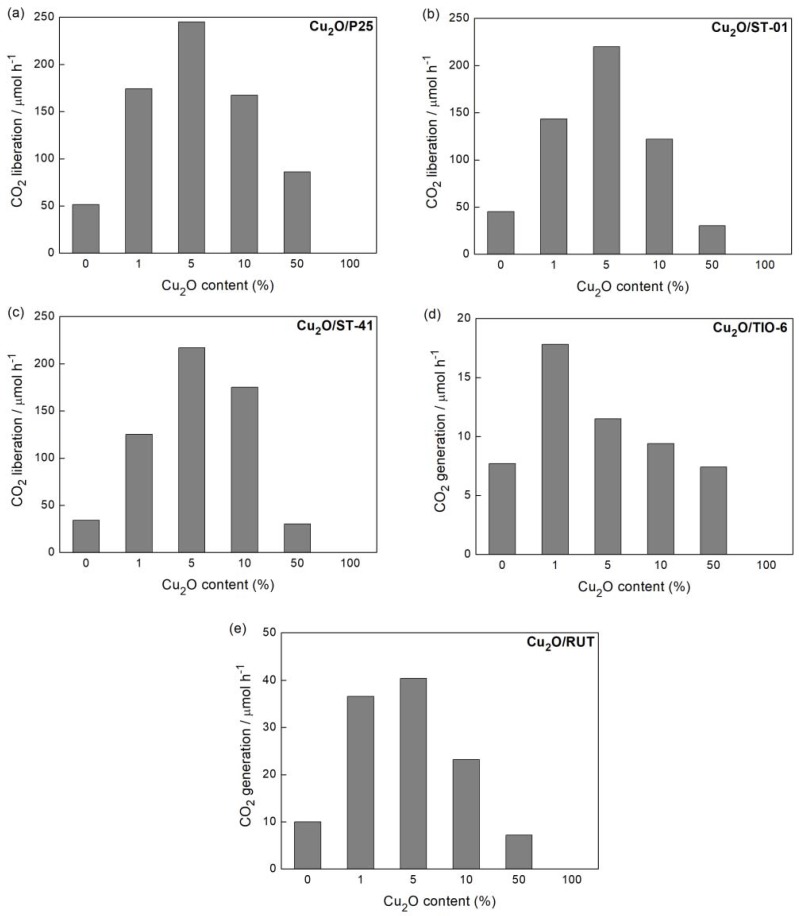
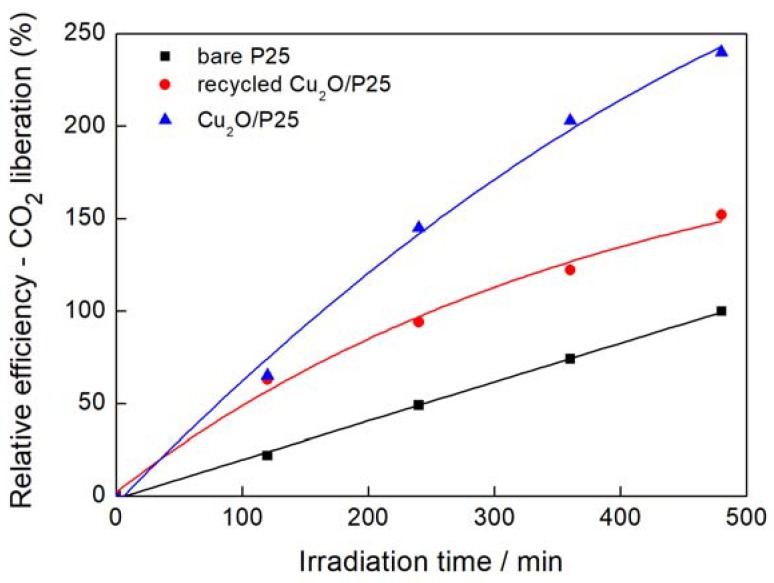
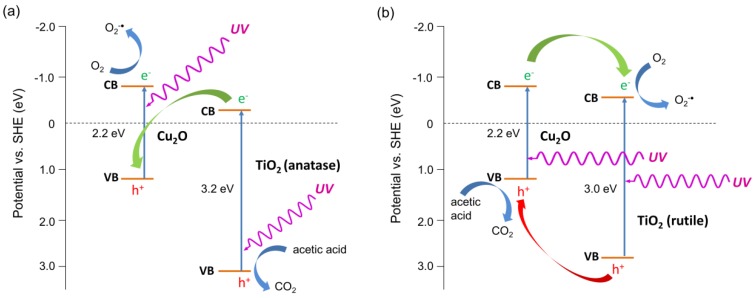
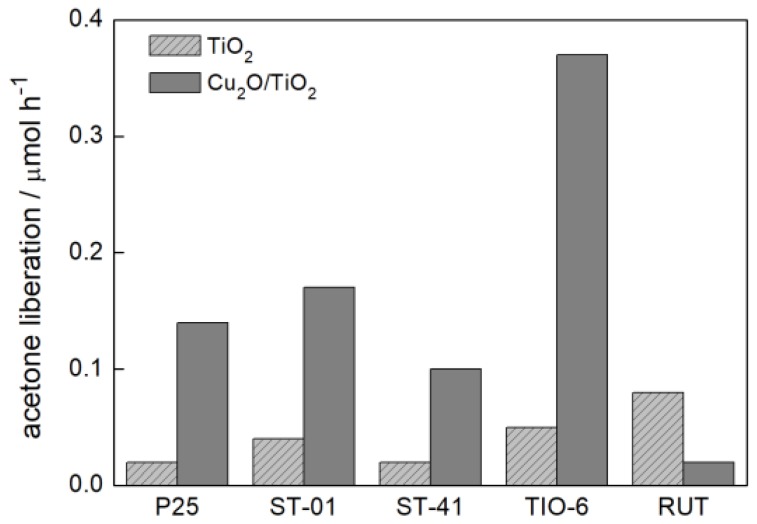
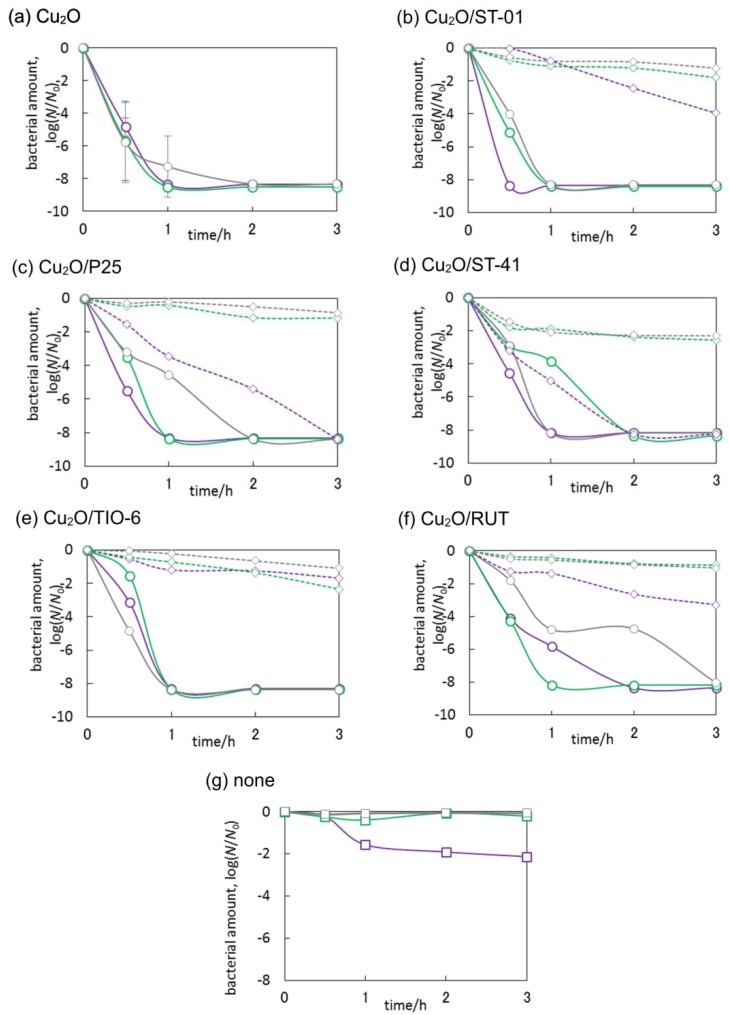
A simple, low-cost method was applied to prepare hybrid photocatalysts of copper (I) oxide/titania. Five different TiO₂ powders were used to perform the study of the effect of titania matrix on the photocatalytic and antimicrobial properties of prepared nanocomposites. The photocatalytic efficiency of such a dual heterojunction system was tested in three reaction systems: ultraviolet-visible (UV-Vis)-induced methanol dehydrogenation and oxidation of acetic acid, and 2-propanol oxidation under visible light irradiation. In all the reaction systems considered, the crucial enhancement of photocatalytic activity in relation to corresponding bare titania was observed. The reaction mechanism for a specific reaction and the influence of titania matrix were discussed. Furthermore, antimicrobial (bactericidal and fungicidal) properties of Cu₂O/TiO₂ materials were analyzed. The antimicrobial activity was found under UV, visible and solar irradiation, and even for dark conditions. The origin of antimicrobial properties with emphasis on the role of titania matrix was also discussed.
采用一种简单、低成本的方法制备了氧化亚铜/二氧化钛复合光催化剂。使用五种不同的二氧化钛粉末来研究二氧化钛基质对所制备纳米复合材料的光催化和抗菌性能的影响。在三个反应体系中测试了这种双异质结体系的光催化效率:紫外-可见(UV-Vis)诱导的甲醇脱氢和乙酸氧化,以及可见光照射下的2-丙醇氧化。在所有考虑的反应体系中,均观察到相对于相应的裸二氧化钛,光催化活性有显著增强。讨论了特定反应的反应机理以及二氧化钛基质的影响。此外,还分析了Cu₂O/TiO₂材料的抗菌(杀菌和杀真菌)性能。在紫外光、可见光和太阳光照射下,甚至在黑暗条件下都发现了抗菌活性。还讨论了抗菌性能的起源,重点强调了二氧化钛基质的作用。