Department of Entomology, Texas A&M AgriLife Research, 6500 Amarillo Blvd. W, Amarillo, TX, 79106, USA.
BMC Genomics. 2018 Oct 26;19(1):774. doi: 10.1186/s12864-018-5095-x.
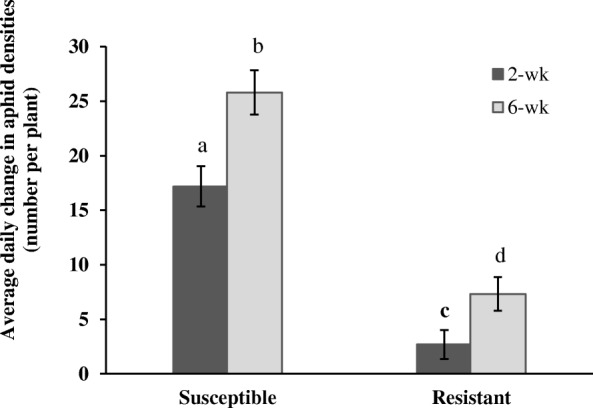
Sugarcane aphid (Melanaphis sacchari) outbreaks in sorghum that were first reported in 2013 are now the most significant threat to this crop in all major sorghum production areas in the U.S. The outcomes of interactions between sugarcane aphid and sorghum and thus the severity of the outbreaks depend on sorghum genotype and potentially also on the phenology of sorghum. Mechanisms underlying these interactions are not known, however. Thus, the goal of this research was to characterize transcriptional changes in a commercially available resistant and a susceptible genotype of sorghum at 2- and 6-wk post-emergence exposed to M. sacchari herbivory. The effects of sorghum age and genotype on the daily change in aphid densities were also evaluated in separate greenhouse experiments.
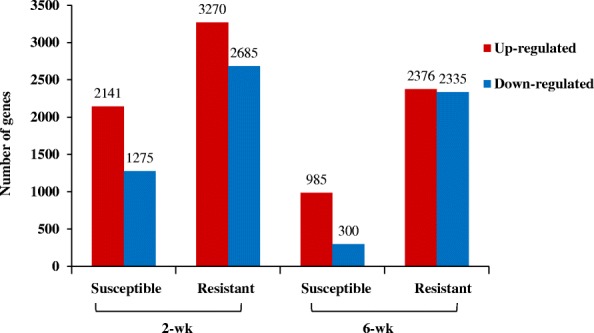
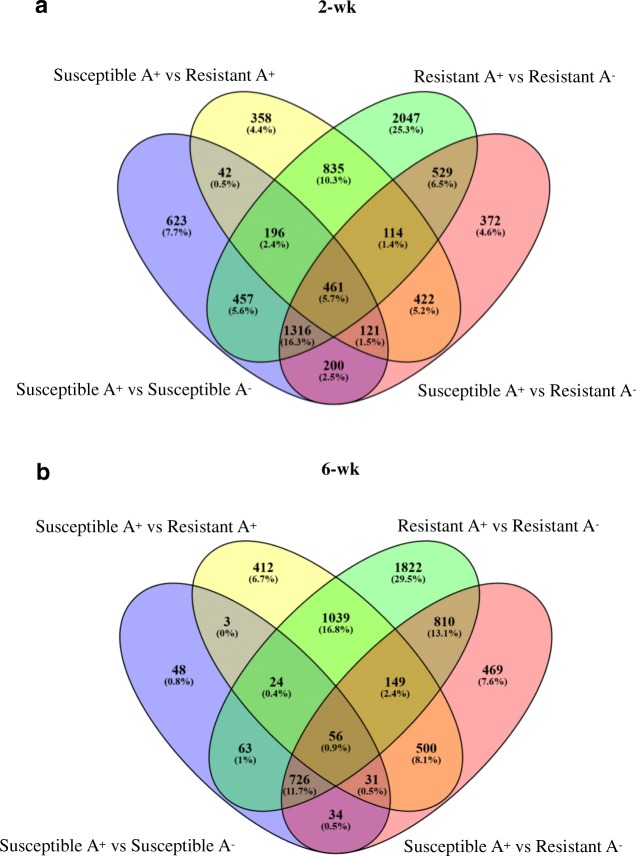
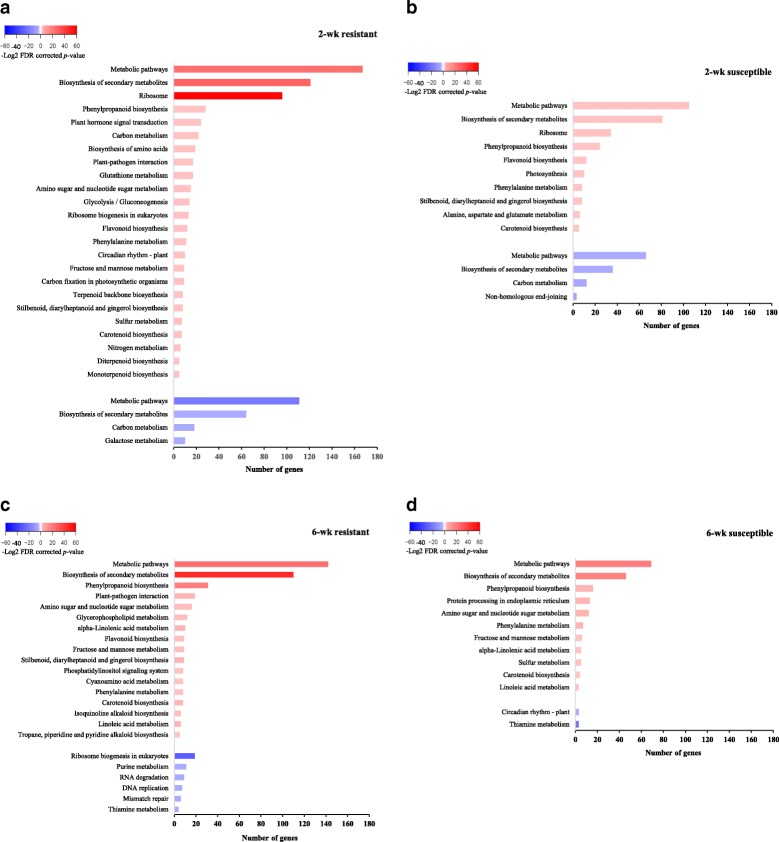
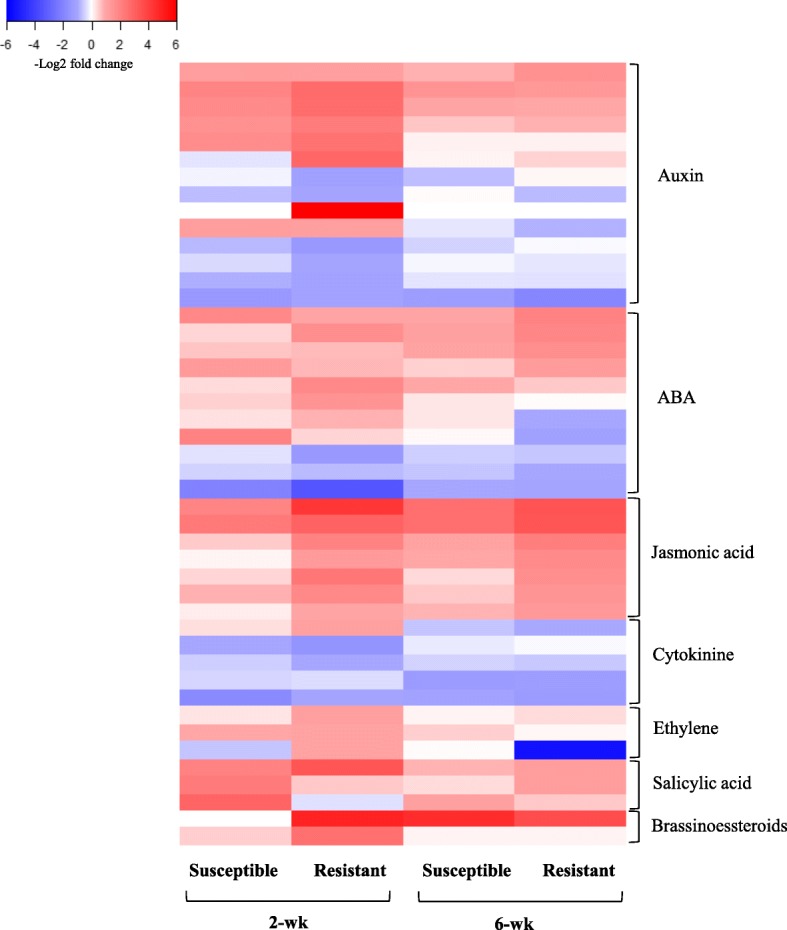
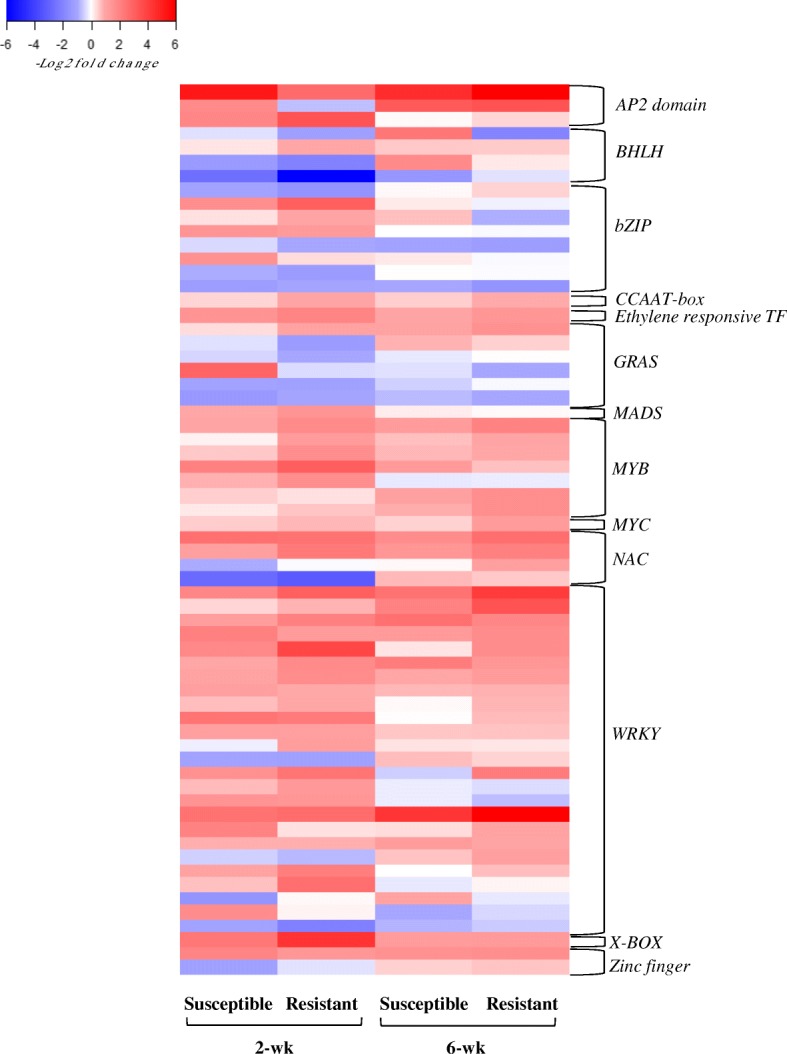
A higher number of diffentially expressed genes (DEGs) was recovered from the 2-wk plants exposed to aphid herbivory compared to the 6-wk plants across genotypes. Further, gene ontology and pathway analysis indicated a suite of transcriptional changes in the resistant genotype that were weak or absent in the susceptible sorghum. Specifically, the aphid-resistant genotype exposed to M. sacchari up-regulated several genes involved in defense, which was particularly evident in the 2-wk plants that showed the most robust transcriptional responses. These transcriptional changes in the younger resistant sorghum were characterized by induction of hormone-signaling pathways, pathways coding for secondary metabolites, glutathion metabolism, and plant-pathogen interaction. Furthermore, the 2-wk resistant plants appeared to compensate for the effects of oxidative stress induced by sugarcane aphid herbivory with elevated expression of genes involved in detoxification. These transcriptional responses were reflected in the aphid population growth, which was significantly faster in the susceptible and older sorghum than in the resistant and younger plants.
This experiment provided the first insights into molecular mechanisms underlying lower population growth of M. sacchari on the resistant sorghum genotype. Further, it appears that the younger resistant sorghum was able to mount a robust defense response following aphid herbivory, which was much weaker in the older sorghum. Several pathways and specific genes provide specific clues into the mechanisms underlying host plant resistance to this invasive insect.
2013 年首次报告的甘蔗绵蚜在高粱上的爆发,现在是美国所有主要高粱种植区这种作物面临的最严重威胁。甘蔗绵蚜与高粱之间相互作用的结果,因此爆发的严重程度取决于高粱基因型,而且可能还取决于高粱的物候期。然而,这些相互作用的机制尚不清楚。因此,本研究的目的是在暴露于甘蔗绵蚜后 2 周和 6 周,对商业上可用的抗虫和易感高粱基因型进行转录变化特征描述。在单独的温室实验中,还评估了高粱年龄和基因型对蚜虫密度日变化的影响。
与 6 周龄植物相比,暴露于蚜虫取食的 2 周龄植物中鉴定到的差异表达基因(DEG)数量更多。此外,基因本体和途径分析表明,在抗虫基因型中存在一系列转录变化,而在易感高粱中则很微弱或不存在。具体而言,暴露于甘蔗绵蚜的抗蚜基因型上调了几个与防御相关的基因,在表现出最强烈转录反应的 2 周龄植物中尤为明显。这些年轻抗虫高粱中的转录变化的特征是激素信号通路、次生代谢产物途径、谷胱甘肽代谢和植物-病原体相互作用的诱导。此外,2 周龄抗虫植物似乎通过参与解毒的基因的高表达来补偿甘蔗绵蚜取食引起的氧化应激的影响。这些转录反应反映在蚜虫种群增长中,在易感和老龄高粱中,蚜虫种群增长明显快于抗性和年轻植物。
该实验首次深入了解了甘蔗绵蚜在抗虫高粱基因型上种群生长较低的分子机制。此外,似乎年轻的抗虫高粱在蚜虫取食后能够迅速产生强大的防御反应,而老龄高粱的防御反应则较弱。一些途径和特定基因为宿主植物对这种入侵昆虫的抗性机制提供了具体线索。