Kang Won-Hee, Yeom Seon-In
Institute of Agriculture & Life Science, Gyeongsang National University, Jinju 52828, Korea.
Department of Agricultural Plant Science, Division of Applied Life Science (BK21 Plus program), Gyeongsang National University, Jinju 52828, Korea.
Plant Pathol J. 2018 Oct;34(5):435-444. doi: 10.5423/PPJ.OA.02.2018.0032. Epub 2018 Oct 1.
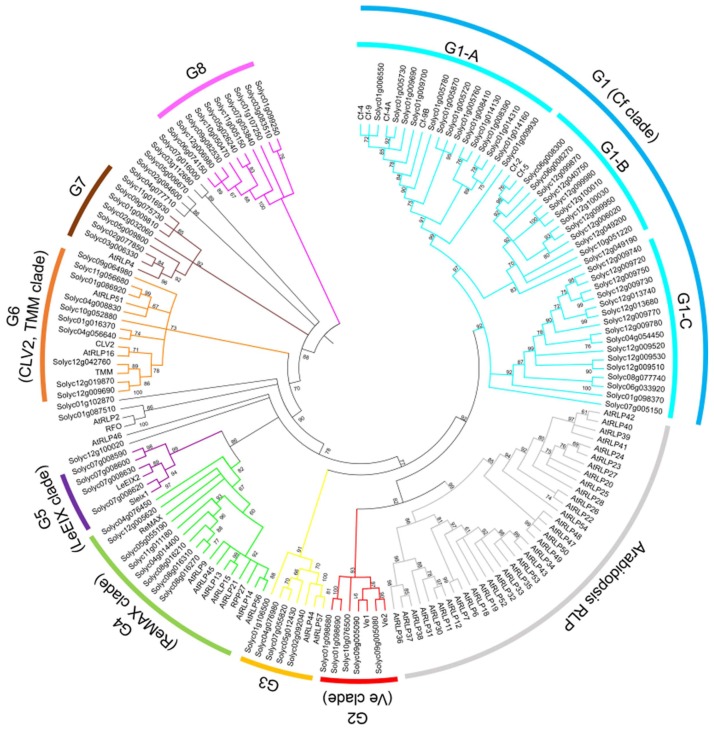
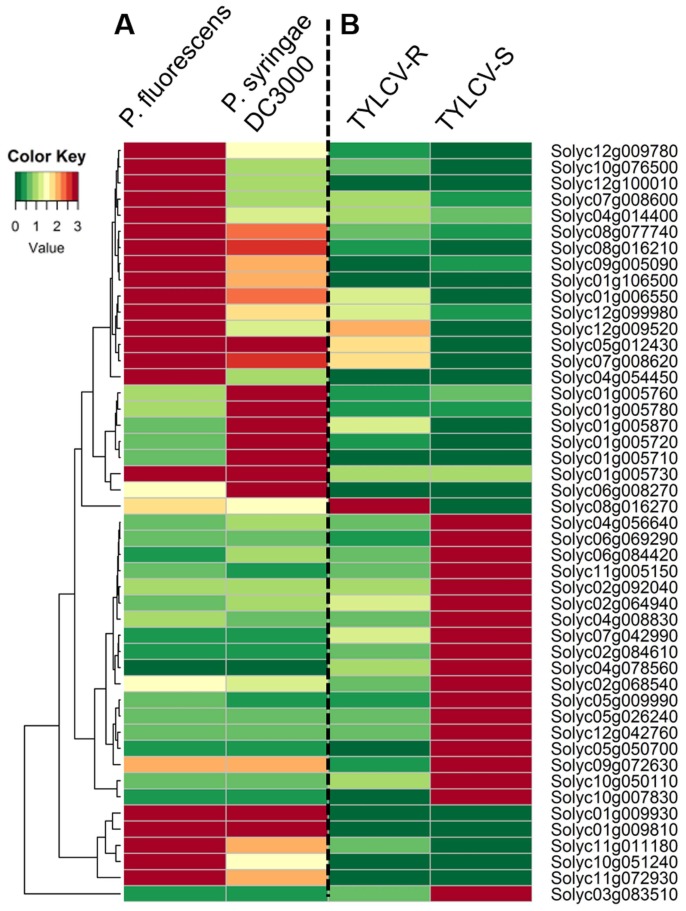
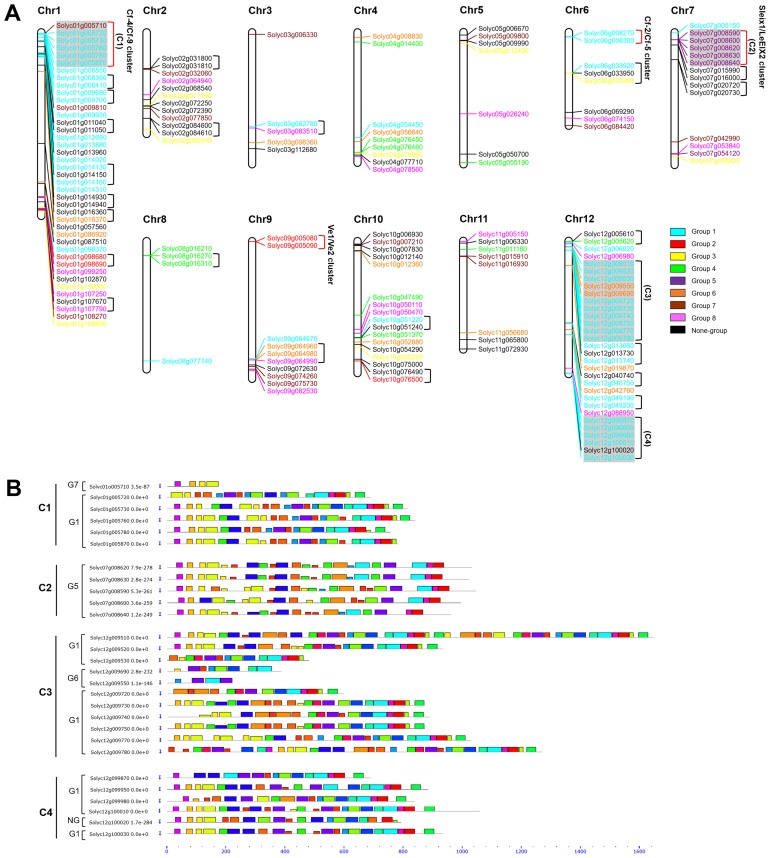
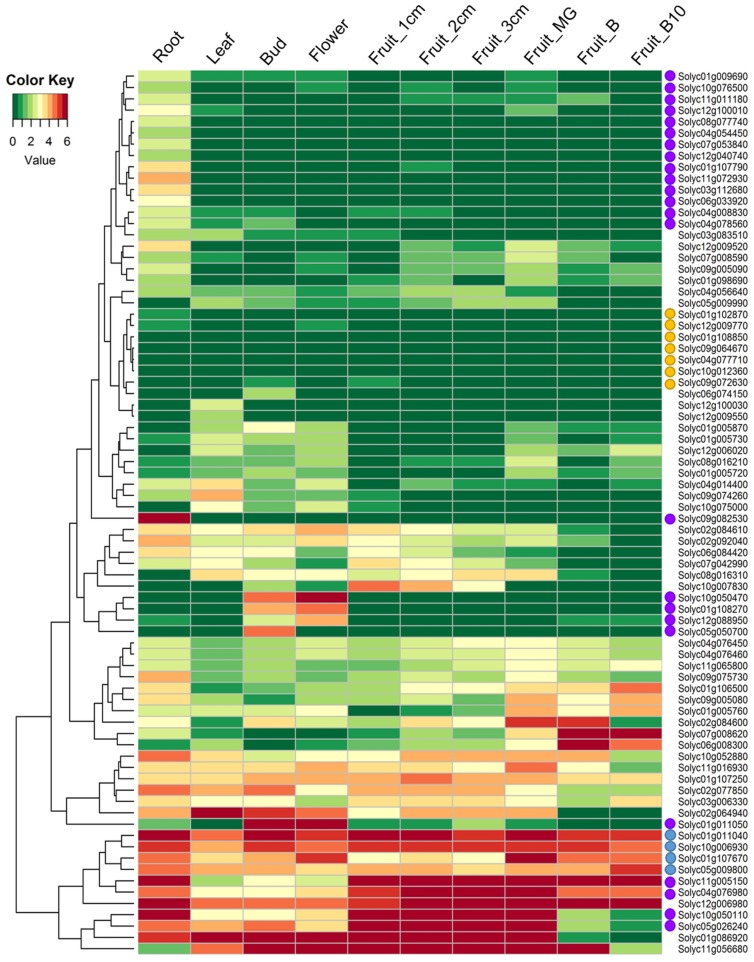
Receptor-like proteins (RLPs) are involved in plant development and disease resistance. Only some of the RLPs in tomato ( L.) have been functionally characterized though 176 genes encoding RLPs, which have been identified in the tomato genome. To further understand the role of RLPs in tomato, we performed genome-guided classification and transcriptome analysis of these genes. Phylogenic comparisons revealed that the tomato RLP members could be divided into eight subgroups and that the genes evolved independently compared to similar genes in Arabidopsis. Based on location and physical clustering analyses, we conclude that tomato RLPs likely expanded primarily through tandem duplication events. According to tissue specific RNA-seq data, 71 RLPs were expressed in at least one of the following tissues: root, leaf, bud, flower, or fruit. Several genes had expression patterns that were tissue specific. In addition, tomato RLP expression profiles after infection with different pathogens showed distinguish gene regulations according to disease induction and resistance response as well as infection by bacteria and virus. Notably, Some RLPs were highly and/or unique expressed in susceptible tomato to pathogen, suggesting that the RLP could be involved in disease response, possibly as a host-susceptibility factor. Our study could provide an important clues for further investigations into the function of tomato RLPs involved in developmental and response to pathogens.
类受体蛋白(RLPs)参与植物发育和抗病过程。尽管在番茄基因组中已鉴定出176个编码RLPs的基因,但只有部分番茄RLPs的功能得到了表征。为进一步了解RLPs在番茄中的作用,我们对这些基因进行了基于基因组的分类和转录组分析。系统发育比较表明,番茄RLP成员可分为八个亚组,且与拟南芥中的相似基因相比,这些基因是独立进化的。基于定位和物理聚类分析,我们得出结论,番茄RLPs可能主要通过串联重复事件进行扩增。根据组织特异性RNA测序数据,71个RLPs在以下至少一种组织中表达:根、叶、芽、花或果实。有几个基因具有组织特异性的表达模式。此外,不同病原体感染后番茄RLP的表达谱根据疾病诱导和抗性反应以及细菌和病毒感染显示出不同的基因调控。值得注意的是,一些RLPs在对病原体敏感的番茄中高度和/或特异性表达,这表明RLP可能参与疾病反应,可能作为宿主易感性因子。我们的研究可为进一步研究番茄RLPs在发育和对病原体反应中的功能提供重要线索。